Last updated November 23, 2026
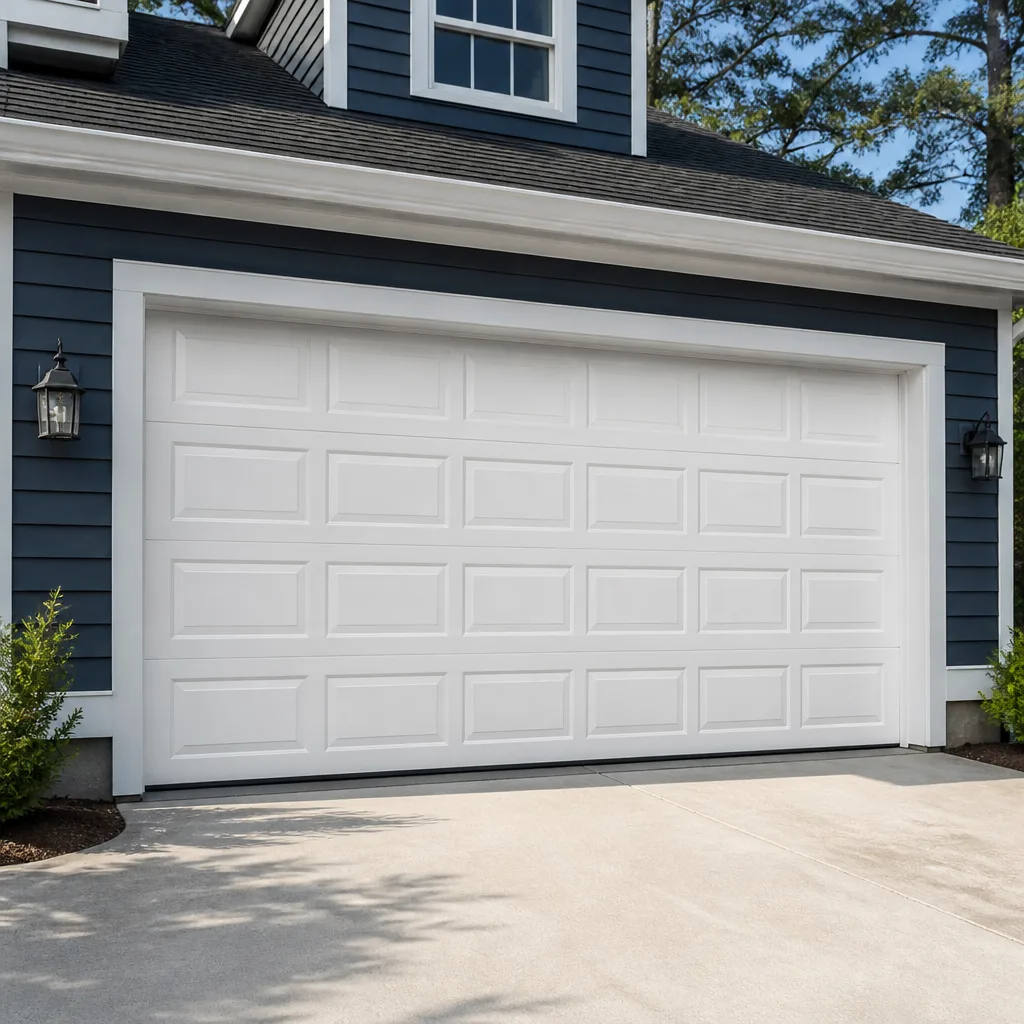 Raised-panel steel
 Carriage house
 Modern flush
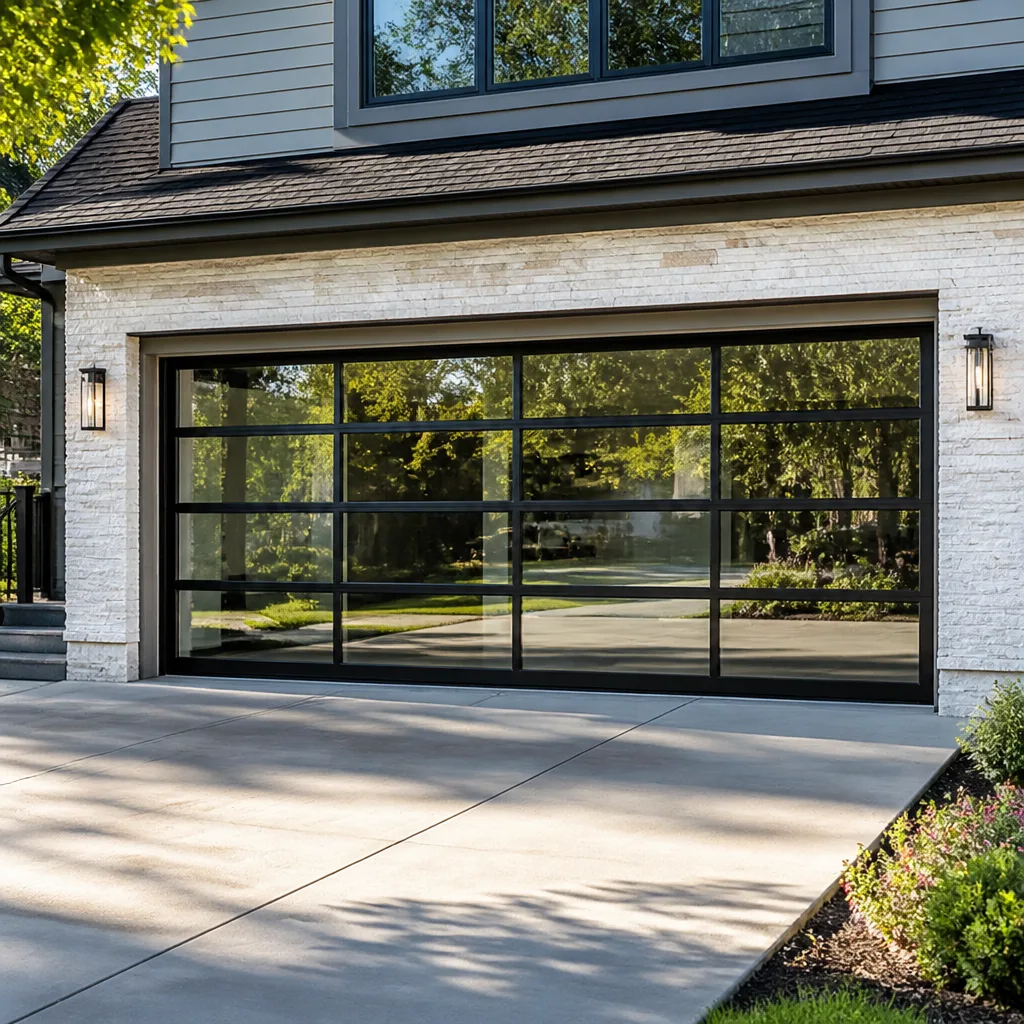 Full-view glass
 LiftMaster openers
 Chamberlain openers
Full 25-point door and opener safety check with every visit - springs, cables, rollers, tracks, and your LiftMaster or Chamberlain opener included
You get a price before we start. It does not change when the pro arrives.
Get your free estimateGarage Door Permits, Codes & Inspections in Bevo Mill, MO: What You Need to Know
Most homeowners assume any garage door work is permit-free, and for a straight panel or spring swap that’s usually true. The line moves the moment you change the size of the opening, run a new circuit for an opener, or touch the structural header above the door. That’s where projects get expensive, because a permit skipped at the start can mean tearing out finished framing later. In this guide we draw that line clearly for Bevo Mill homeowners: which projects trigger a permit through the City of St. Louis, which are exempt, how the inspection process actually runs, and why the paperwork matters at resale and at claim time.
Quick Answer
In Bevo Mill and the rest of the City of St. Louis, replacing a garage door or its springs, opener, or panels in the same opening typically does not require a building permit. Projects that change the opening size, alter the structural header, add a new electrical circuit for an opener, or build or enlarge a garage structure generally do require a permit and inspection. When in doubt, call the city’s building department before work starts – a five-minute question prevents a five-figure correction.
Styles & brands we work with
- Raised-panel steel
- Carriage house
- Modern flush
- Full-view glass
- LiftMaster openers
- Chamberlain openers
Table of Contents
- Which garage door projects need a permit in Bevo Mill?
- What garage door work is exempt from permits?
- Header and framing rules when you widen an opening
- Electrical work for a new opener circuit
- What the inspection process looks like in St. Louis
- How unpermitted work affects insurance and home sales
- Common mistakes to avoid
- Frequently asked questions
Which garage door projects need a permit in Bevo Mill?
The short answer: structural changes need a permit, mechanical replacements usually don’t. The City of St. Louis draws the line at whether the work changes the building’s structure or its electrical system. A garage door that goes back into the same opening is a maintenance item. A door that requires cutting the header, moving a jamb, or wiring a new circuit is construction, and construction gets reviewed.
Here’s how the categories usually break down for a Bevo Mill home:
- Permit typically required: widening or heightening the garage opening, cutting or replacing the structural header, removing a load-bearing wall section, adding a new electrical circuit or outlet for an opener, converting a carport to an enclosed garage, or building a new detached garage.
- Permit typically not required: replacing a door of the same size in the same opening, replacing torsion or extension springs, swapping an opener on existing wiring, replacing panels, rollers, hinges, or tracks, and installing a new opener that plugs into an existing outlet.
- Grey area – verify with the city: changing from a single door to two doors within the same overall opening, switching from a manual door to an opener where no outlet exists near the door, or replacing a header with a different material of the same dimensions.
Bevo Mill’s housing stock makes this more relevant than it sounds. The neighborhood grew up around the old Bevo Mill landmark on Gravois, and many of its garages were built decades ago as detached structures accessed from the alley. Those garages weren’t always framed to modern standards, and a homeowner who wants a wider opening for a modern truck often discovers the header can’t simply be cut. That’s a structural question, not a door question, and it’s exactly the kind of work the city wants reviewed before it’s covered up.
The dependable move is to call the City of St. Louis building department with your address and a plain description of the work. Ask one question: “Does replacing this door at this size require a permit?” Write down the answer and the name of whoever gave it. If you’re ever challenged later, that note is worth more than any contractor’s verbal assurance.
What garage door work is exempt from permits?
Replacement in kind is normally exempt. If the new door matches the old one in width and height and the opening itself doesn’t change, the city generally treats it as routine maintenance, the same way you’d treat a new water heater element or a replaced exterior light fixture. That covers the vast majority of the calls we handle in Bevo Mill: a failed spring, a dead opener, a dented bottom panel, a bent track.
The exempt list is broader than most homeowners expect:
- Replacing torsion or extension springs at the same mounting points
- Replacing a garage door opener on existing wiring and an existing outlet
- Swapping panels, sections, rollers, cables, hinges, and bottom seals
- Replacing a complete door in an unchanged opening with the same dimensions
- Adding weatherstripping, thresholds, and trim that doesn’t alter framing
- Routine lubrication, balance adjustment, and safety sensor alignment
A note on spring work: springs are the most dangerous part of any garage door system, and a torsion spring under tension can cause serious injury if it slips during removal. We handle spring repair as its own dedicated service for exactly that reason. If your only question is whether a spring replacement needs a permit, the answer is almost always no – but it still isn’t a homeowner job.
Two things can quietly push a “replacement” into permit territory. First, if the new door is a different size, even by a couple of inches, the opening has to change. Second, if the existing opening was built out of spec in the first place – a common discovery in older Bevo Mill garages – a contractor may recommend reframing to modern standards, which crosses the line. Ask any installer to state in writing whether the new door fits the existing opening exactly. If they can’t, get a second opinion before signing.
When a replacement is truly exempt, you skip the permit but not the standards. A door still has to be installed so it doesn’t bind, the springs have to be matched to the door weight, and the safety reverse has to work. If you’re replacing a door or an opener on a same-size basis, see our garage door installation page for what a proper install looks like, and our garage door opener repair page if the opener is the failing part.
Header and framing rules when you widen an opening
This is the permit category homeowners skip most often, and it’s the one that makes contractors wince. Widening a garage opening means cutting into the header – the horizontal beam that carries the load above the door – and cutting a structural beam without engineering or review is where the real risk lives. The City of St. Louis requires a permit for that change, and the review looks at two things: the size and material of the new header, and how it transfers load to the jacks on either side.
Here’s how a properly permitted widening job usually runs:
- Measure first. Confirm the door you want and the rough opening it requires. That dimension drives everything downstream.
- Assess the existing header. A contractor or engineer checks its span, species, and condition. Older headers in Bevo Mill garages are sometimes undersized or have been notched by past work.
- Submit drawings to the city. Or have the contractor submit them. The permit application describes the new header, its connection details, and the load path.
- Get the permit issued. Don’t order the door before it’s issued. Sometimes the review asks for a revised beam size, and that can change the rough opening.
- Do the structural work and schedule the inspection. The framing is inspected before the drywall or trim covers it, which is exactly why skipping this step is so costly later.
- Install the door after the framing passes. The door goes in the opening, gets balanced, and the whole system is tested.
We get asked whether a wider opening is worth it. In a Bevo Mill alley-accessed garage, it often is – modern vehicles are wider than the cars these garages were built around. But the framing has to be right, or the door will never sit square and you’ll fight it for years. If you’re also rethinking the door itself, our guide to Garage Door Repair Bevo Mill covers the repair side and when a replacement makes more sense.
Electrical work for a new opener circuit
If the garage already has an outlet near the opener, swapping one unit for another doesn’t need an electrical permit or inspection. If the garage has no outlet, or the existing one is on a circuit that can’t carry the load, you’ve moved into electrical work, and that work has its own permit path in St. Louis and its own inspection. This is the second most commonly skipped category, and it’s usually skipped because a homeowner asks an opener installer to “just run a line.”
What to know:
- Existing outlet, existing circuit, new opener of similar draw: normally exempt. This is the routine case.
- New outlet or new circuit: a permit is usually required, and the work should be done by a licensed electrician or under a permit that names one.
- Extending an existing circuit to reach the opener: often permitted, because it’s still new electrical. Verify with the city.
- Replacing damaged wiring inside the opener’s low-voltage control run: usually exempt, since it’s not line voltage.
There’s a brand angle here that matters more than people realize. Modern openers from LiftMaster, Chamberlain, and Genie often include battery backup and integrated Wi-Fi, which can affect how they’re wired and where the outlet needs to sit. A Clopay or Amarr door with a heavier insulation package can also need a different opener capacity than the old unit, which sometimes pushes homeowners toward a new circuit. We work on the brand you already have and the brands you’re replacing with, so we can tell you what a specific opener needs before anyone touches the wiring.
Never let anyone run a new line off an existing circuit without a permit just to save paperwork. The permit is cheap compared to a code correction, and the inspection is what proves the circuit can carry the load without overheating. Call the city’s electrical permit line if you’re unsure which category a job falls into. If your opener itself is failing rather than the wiring, start with our garage door opener repair guide.
What the inspection process looks like in St. Louis
A St. Louis permit inspection is a scheduled visit by a city inspector to check that the work matches the approved drawings and the code. It is not a pass/fail judgment on the contractor’s personality, and it isn’t a surprise visit. You or the contractor schedule it, the inspector arrives, and the framing or wiring is reviewed in person – usually in a matter of minutes for a residential garage job.
The process, in the order it happens:
- Permit application submitted. Plans or a written scope go to the city with the fee.
- Review. The city checks the drawings against code. This is the step where timeline varies most, because it depends on the city’s queue.
- Permit issued. Work can begin. The permit card typically needs to be visible on site.
- Rough-in inspection. For framing, this happens after the header is in and before the wall is closed up. For electrical, after the wiring is run and before the box is covered.
- Final inspection. After the door is installed and the system works, the inspector verifies the finished job.
- Permit closed. The city records the job as complete. Keep the paperwork with your home records.
How long does it take? The honest answer is that it depends on the city’s review queue at the time, and we won’t pretend otherwise. What we can tell you is that scheduling the inspection is not usually the slow part; the review is. That’s why the worst thing you can do is start framing before the permit is issued. Order the door last, not first, and build the timeline around the city’s review rather than around a contractor’s eagerness to start.
Ask the contractor who pulls the permit. In most St. Louis residential jobs, the contractor pulls it and the homeowner pays the fee, but the arrangement varies. Get it in writing. If a contractor tells you they don’t pull permits, that’s the whole conversation. A licensed, insured crew that does this work regularly can pull a permit. One that can’t is telling you something about how they operate.
How unpermitted work affects insurance and home sales
Unpermitted structural or electrical work is a problem at two moments most homeowners never think about: when they file a claim and when they sell. Insurance companies pay for covered damage, but they can deny or limit a claim where the damage traces to work that wasn’t permitted or inspected, and some policies ask about unpermitted work directly. On the sale side, most residential disclosure forms ask whether the seller knows of work done without required permits. Answering truthfully can delay or complicate the sale, and answering untruthfully is worse.
The practical effects:
- Insurance claims: if a garage framing failure or an electrical fire traces to unpermitted work, an adjuster can question coverage. The rules vary by policy, so ask your insurer how they handle it.
- Sale disclosures: sellers generally have to disclose known unpermitted work. Buyers react by negotiating the price down or walking.
- Retroactive permits: it’s usually possible to permit existing work after the fact, but it means opening the wall so the inspector can see the framing, plus fees. It’s often more expensive than doing it right the first time.
- Contractor disputes: if the work goes wrong and there’s no permit, you have less leverage. A permit creates a record of scope and inspection.
Bevo Mill has a lot of older homes with long histories of additions, converted spaces, and garage rebuilds. When you buy a home here, ask for the permit history on any structural work in the garage. When you sell, get ahead of the question by permitting anything that was missed. A short correction now is much cheaper than a price reduction at the negotiation table.
One more point on insurance: if you replace a whole door, tell your insurer. Updating a door or opener can affect coverage, and in some cases the improvement is worth documenting for your records. It’s a two-minute call.
Common Mistakes to Avoid
- Assuming a wider door is a door job. Widening the opening changes the header and the framing. It’s structural work and it needs a permit. Get the framing reviewed before you buy the door.
- Ordering the door before the permit is issued. Review can change the rough opening, especially if the city asks for a different beam size. The door is the last thing you order, not the first.
- Letting a handyman run a new opener circuit. A new outlet or circuit is electrical work with its own permit path. If the garage has no outlet, ask who’s licensed to do the wiring.
- Trusting a verbal “you don’t need a permit.” Get the answer from the City of St. Louis building department with your address in hand, and write down what you were told.
- Skipping the rough-in inspection. Once the wall is closed up, the inspector can’t see the framing. The rough-in inspection is the whole point of permitting a structural job.
- Not pulling the permit history when you buy. In a neighborhood with a lot of older garages, unpermitted work is common. Ask for the paper trail before you close.
- Forgetting to check the safety reverse after any install. Permit or no permit, the door has to reverse on contact and the photo-eye sensors have to work. Test it the day the door goes in.
See the difference
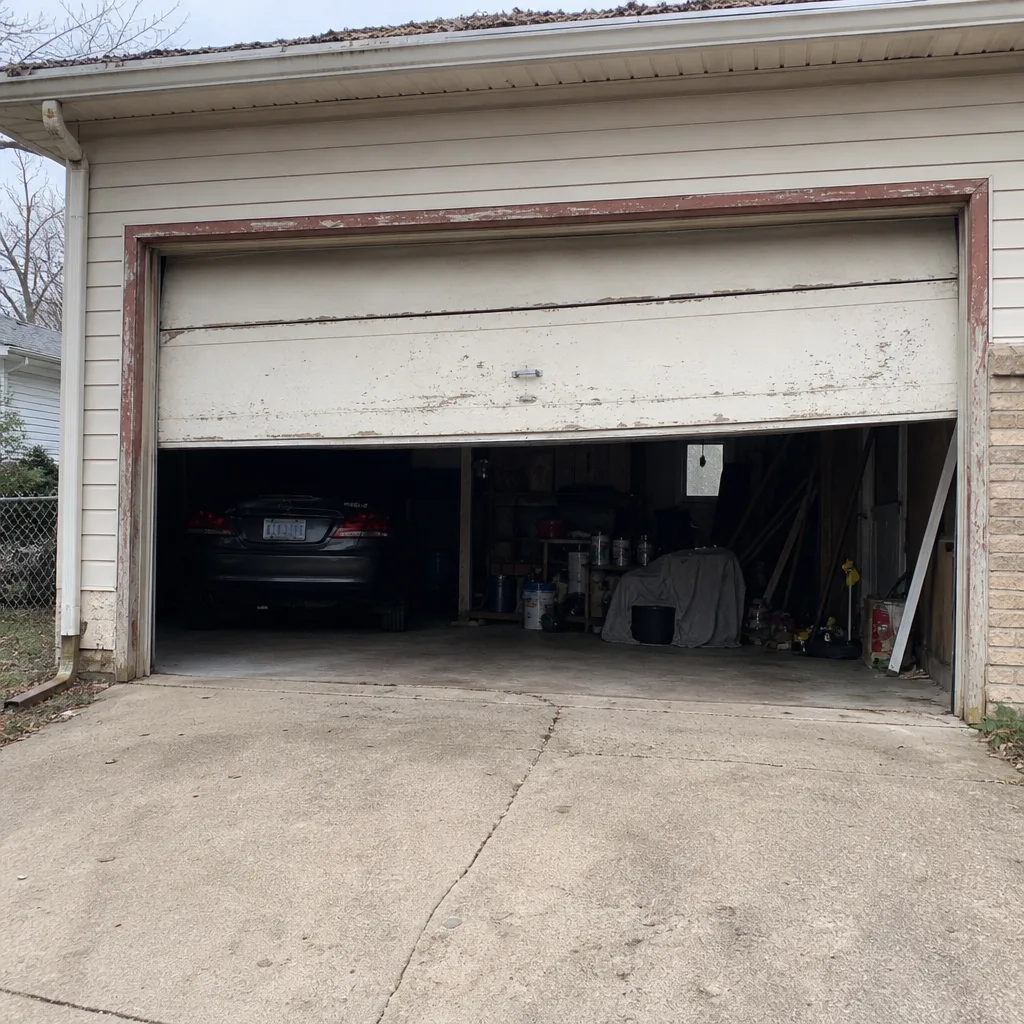 Before
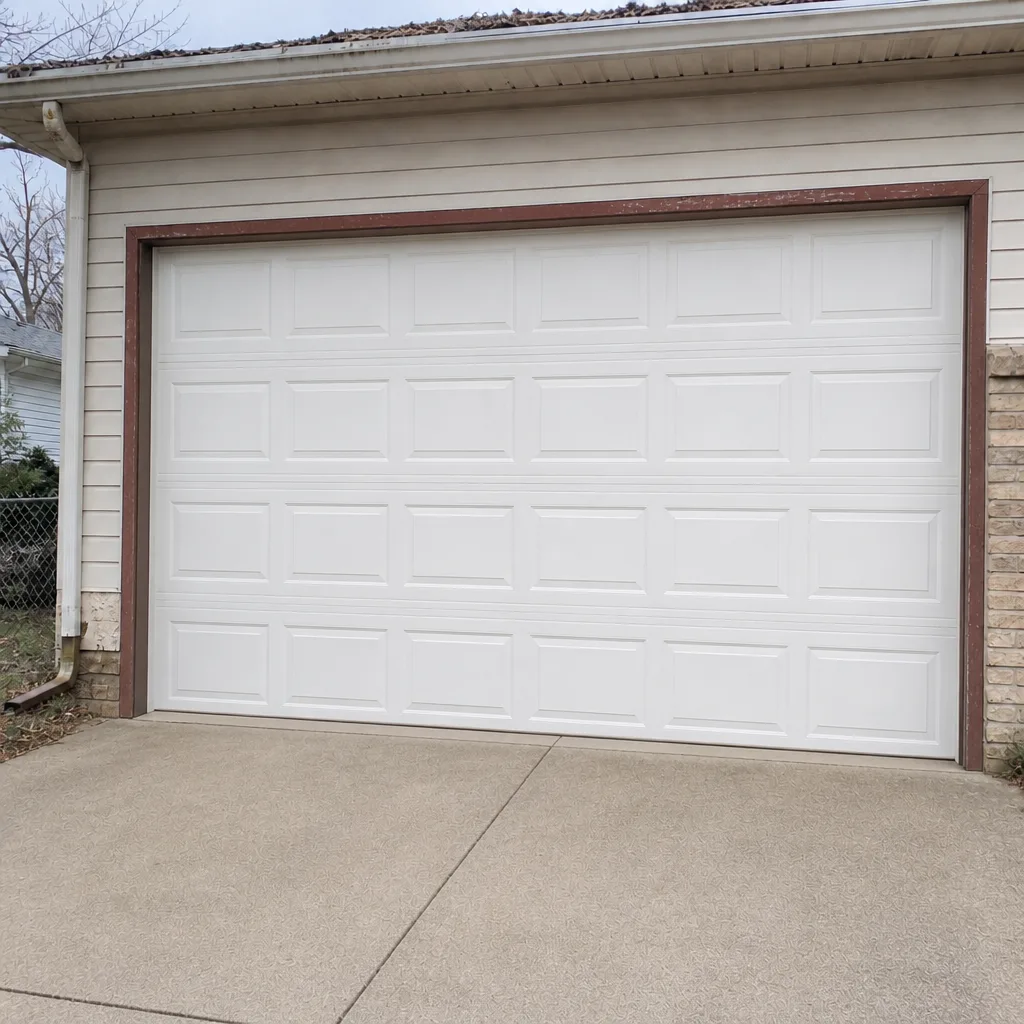 After
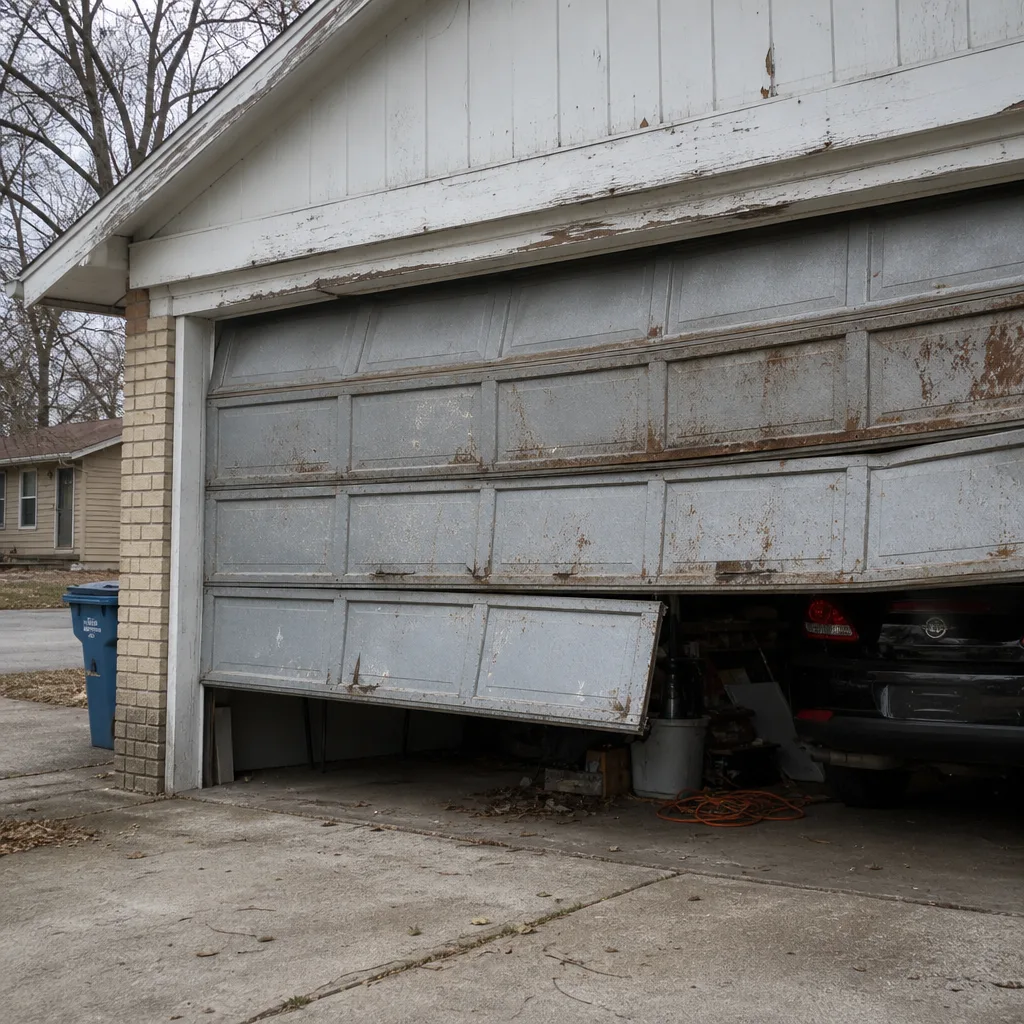 Before
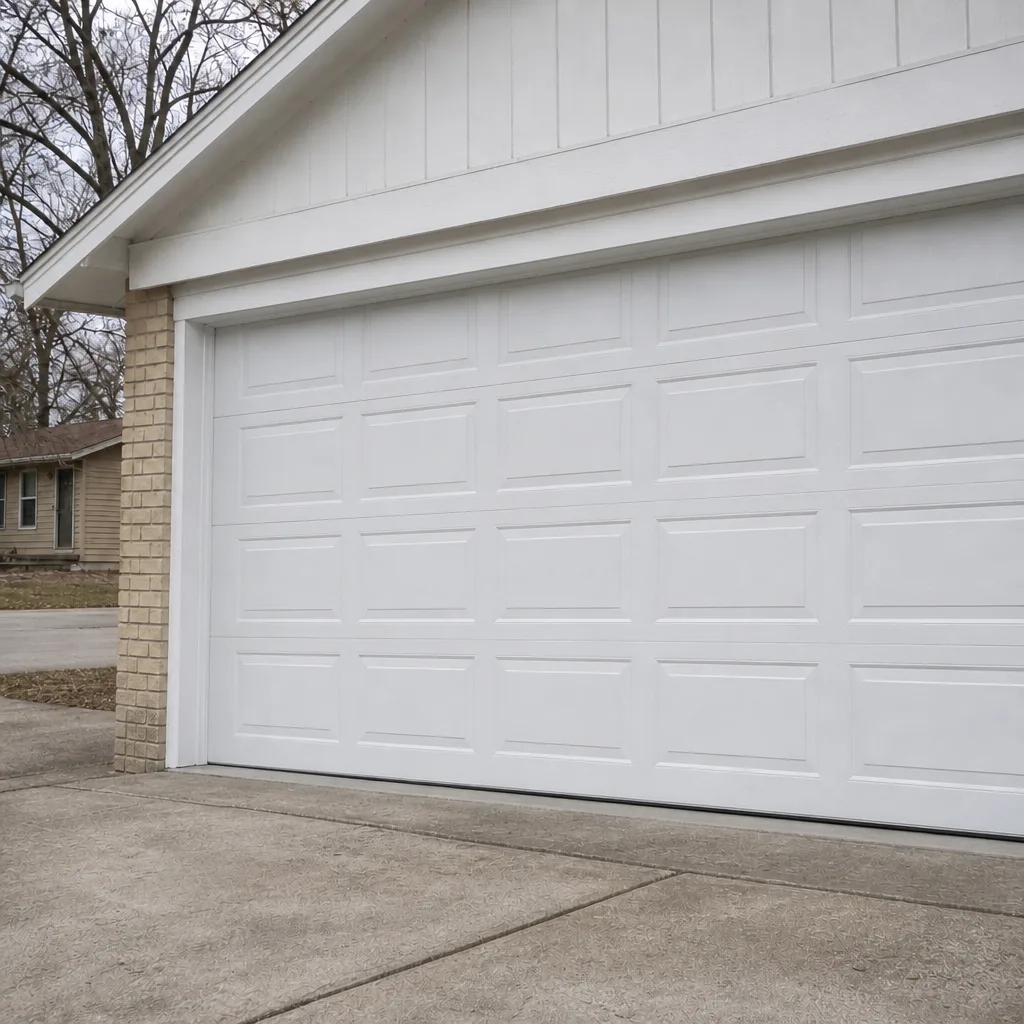 After
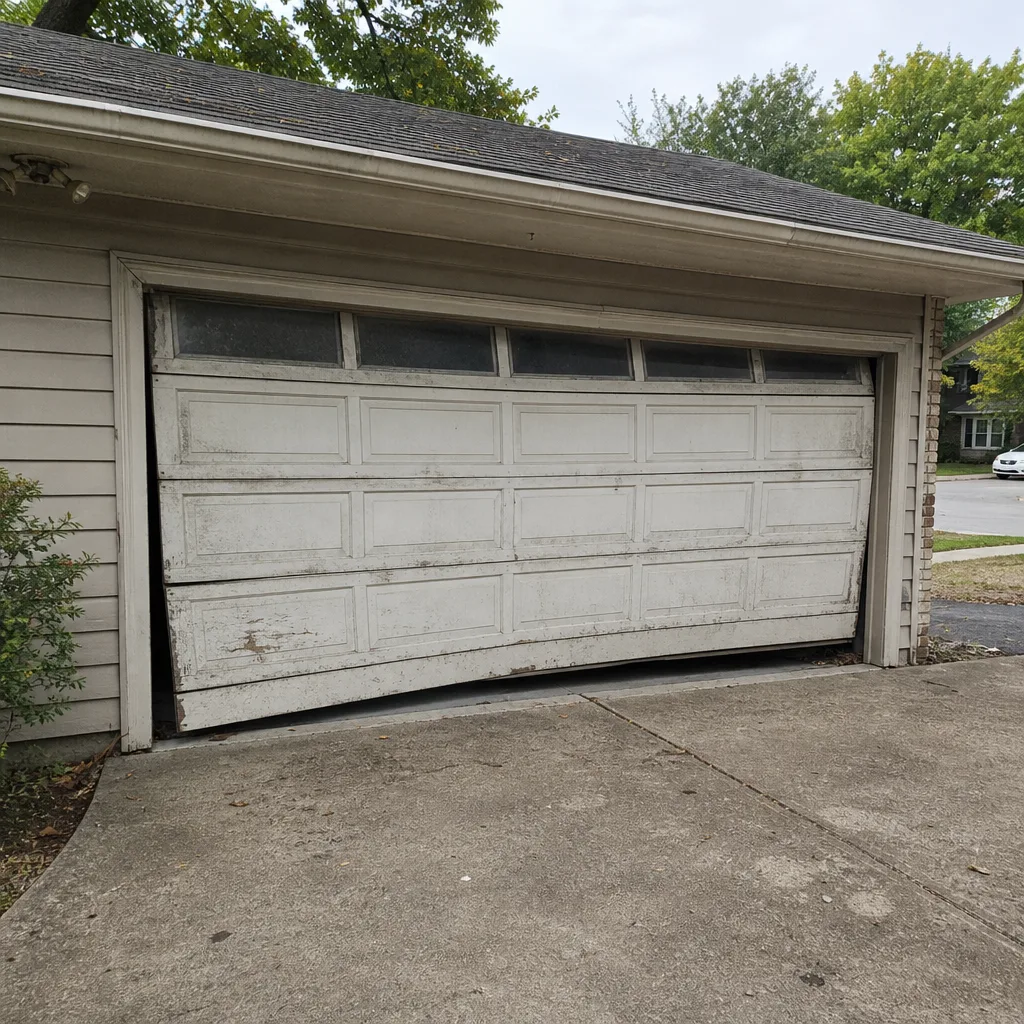 Before
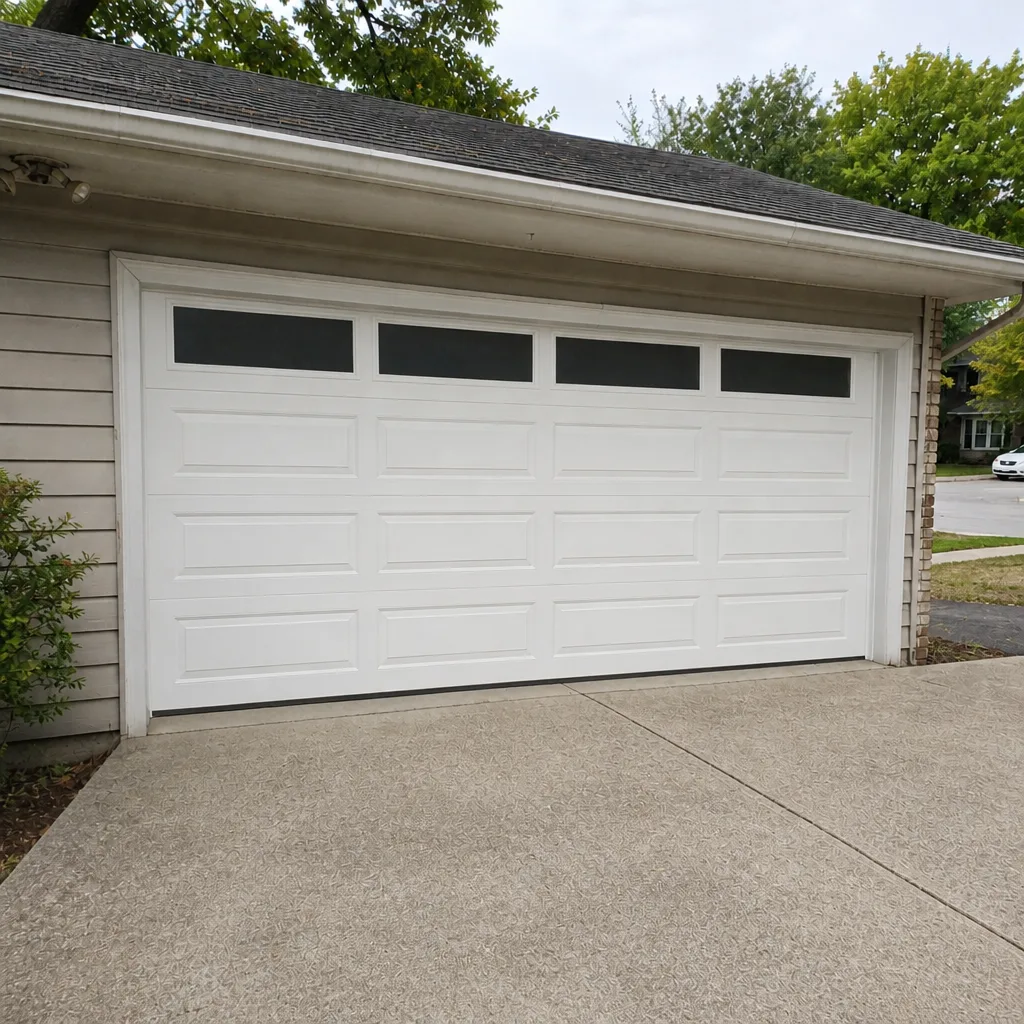 After
When to Call a Professional
Call a professional when the failure is in the springs, the opener, or the door itself, and call before any work that touches the header or the electrical system. Springs are genuinely dangerous – a torsion spring under tension can cause serious injury – so we don’t recommend homeowners attempt spring replacement. The same goes for cutting a header, which is load-bearing framing, and for running a new opener circuit, which is electrical work that needs a licensed hand. Garage Door Repair Bevo Mill offers free estimates in Bevo Mill – call (844) 734-5652. We work on eight of the most widely installed door and opener brands, including Genie, Clopay, and Wayne Dalton, and we can tell you in plain terms whether your job is a repair or a permitted structural change. Tell us the problem; we’ll name the fix.
Frequently Asked Questions
Usually not, as long as the new door fits the same opening at the same size. The City of St. Louis generally treats a same-size replacement as routine maintenance. If the opening changes, the header changes, or a new electrical circuit is added, a permit is normally required. Call the city’s building department with your address to confirm your specific job.
No, spring replacement at the existing mounting points normally does not require a permit in St. Louis. That’s because it’s a mechanical replacement in an unchanged opening, not a structural or electrical change. Springs are still the most dangerous part of the system, so this is one to hand to a trained technician. Call (844) 734-5652 for an estimate.
No. Widening the opening means cutting into the header, which is load-bearing framing, and the City of St. Louis requires a permit for that change. Review looks at the new header size, material, and load path. Skipping the permit risks having to tear out finished framing, and it’s the most commonly skipped category of garage door work. Get the framing reviewed first.
The review queue drives the timeline, and it varies, so we won’t give you a number. The scheduling of the inspection itself is usually the faster part. The practical advice: build your project around the city’s review, not around a contractor’s start date, and don’t order the door until the permit is issued.
If the opener plugs into an existing outlet on an existing circuit, normally no. If a new outlet or new circuit has to be run, especially in an older garage with no outlet near the door, that’s electrical work and it usually needs a permit and inspection. Modern LiftMaster and Genie units can also affect what the circuit needs to carry. Ask the city if you’re unsure.
It can. Most residential disclosure forms ask about known unpermitted work, and buyers often react by negotiating the price down or walking away. Unpermitted structural or electrical work can also complicate an insurance claim if the damage traces back to it. Retroactive permits are usually possible but cost more than doing it right the first time. Call (844) 734-5652 for a free estimate on repairs or a properly permitted install.
The Bottom Line
In Bevo Mill, the permit question comes down to one line: replacement in the same opening is usually exempt, and anything that changes the structure or the wiring usually needs a permit. Springs, panels, openers on existing circuits, and same-size doors are routine maintenance. Widening an opening, cutting a header, or running a new opener circuit is construction and belongs in the city’s review process. The cost of a permit and a scheduled inspection is small next to the cost of tearing out framing or answering awkward questions at resale. When in doubt, call the City of St. Louis building department before work starts, and get the answer with your address in hand.
Get a Straight Answer on Your Garage Door
Whether you’re facing a broken spring, a failing opener, or a plan to widen an opening, the first step is a clear diagnosis. Garage Door Repair Bevo Mill covers springs, openers, panels, hardware, and full door replacements – and we’ll tell you whether your job is a repair or a permitted structural change before anything starts. We work on the brand you already have, across eight of the most widely installed door and opener brands, and we can source parts for common repairs rather than putting your job on order. Garage doors only – it’s all we do. Call (844) 734-5652 for a free estimate, and we’ll name the fix in plain terms. Pricing is quoted and agreed before any work begins, and you’ll have it in writing. If your issue is a spring or opener, see our garage door repair overview for how we handle the common failure points.
Written by the team at Garage Door Repair Bevo Mill.