Last updated November 23, 2026
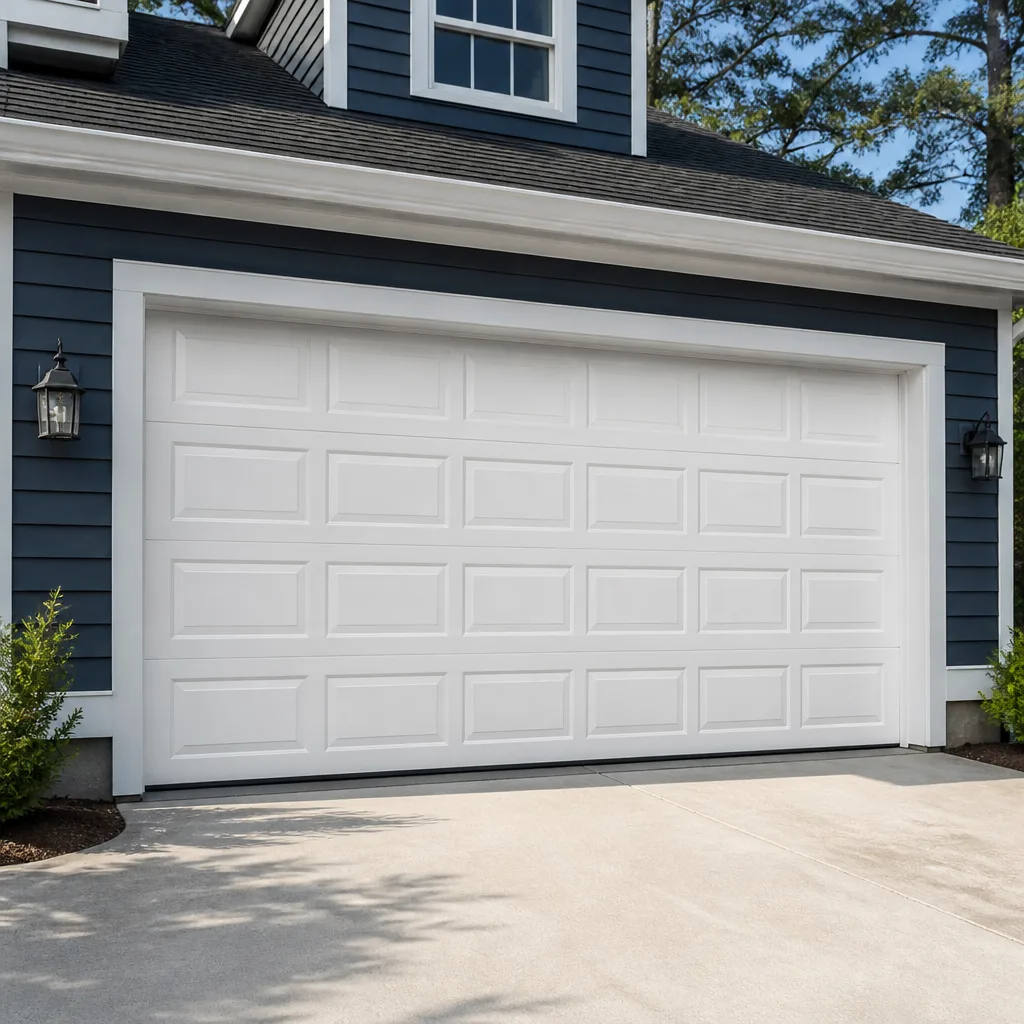 Raised-panel steel
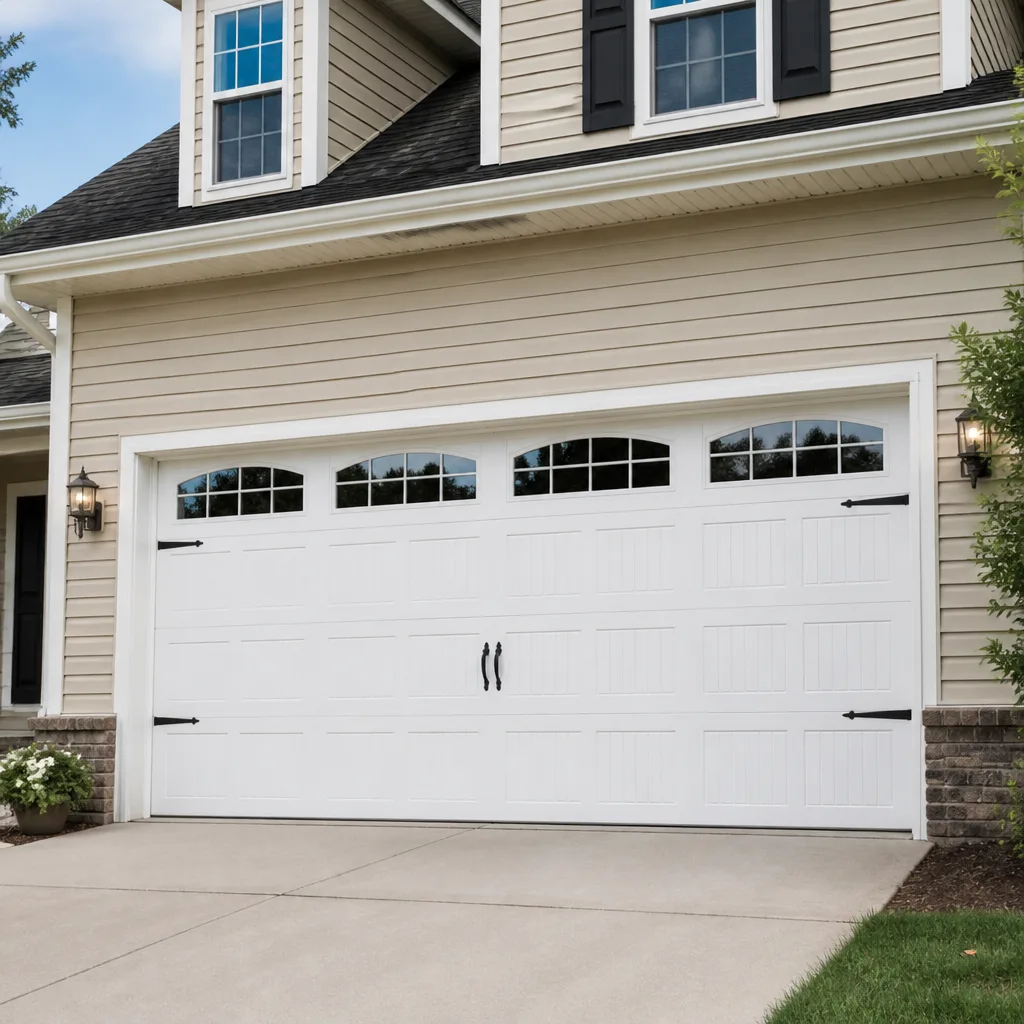
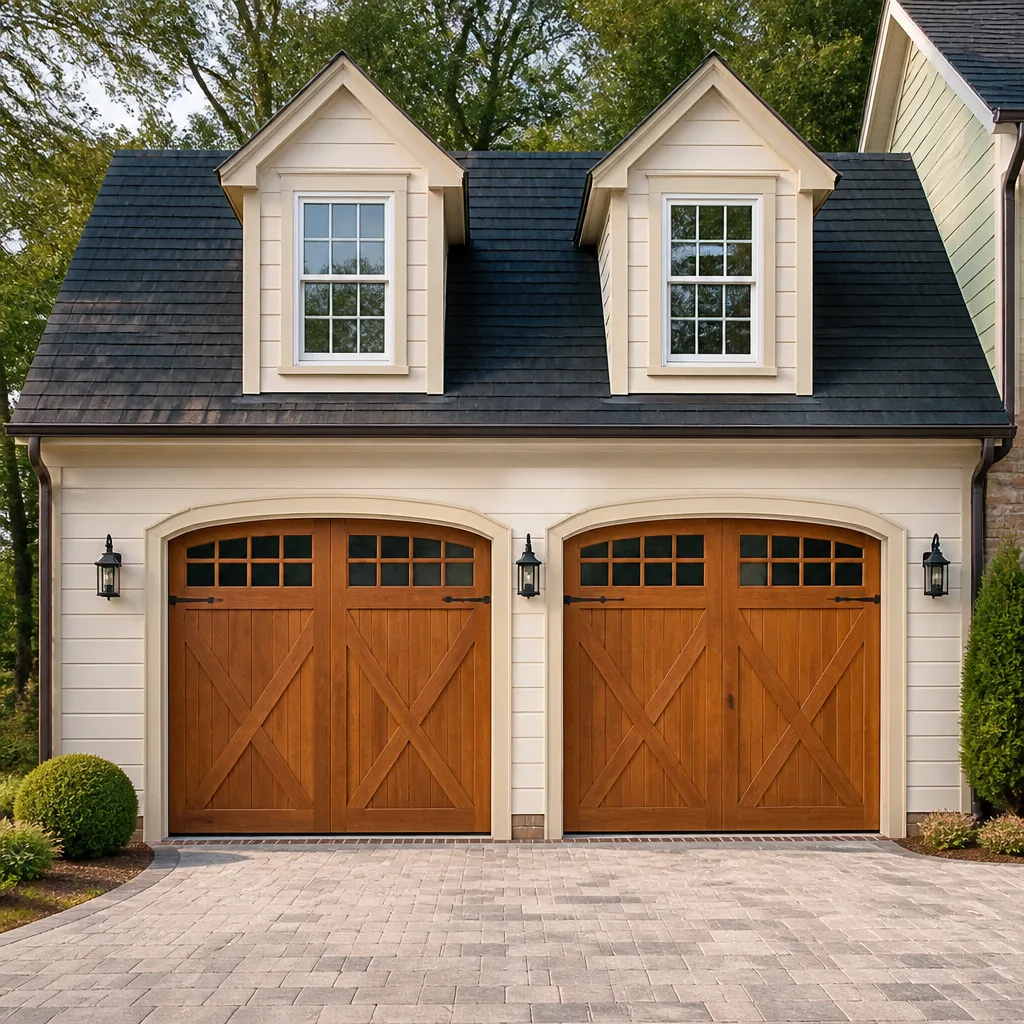 Carriage house
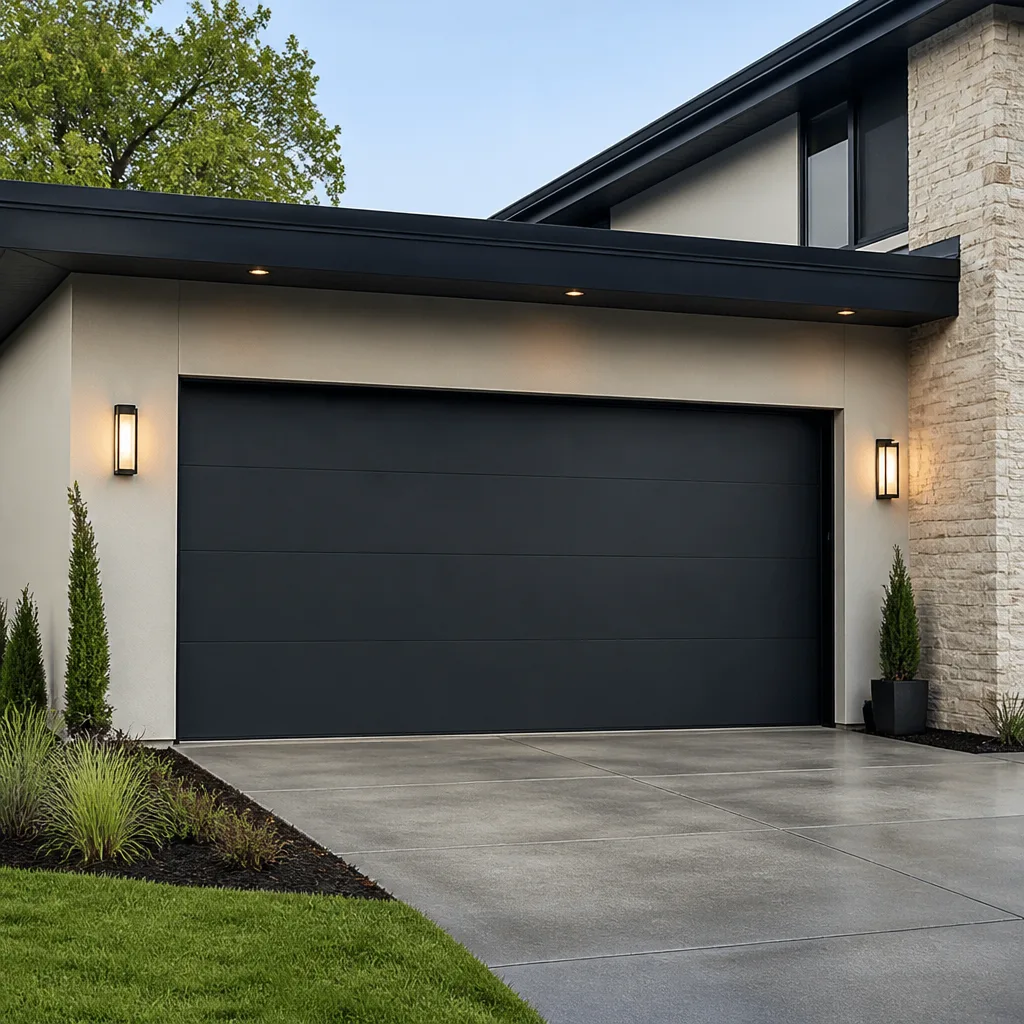 Modern flush
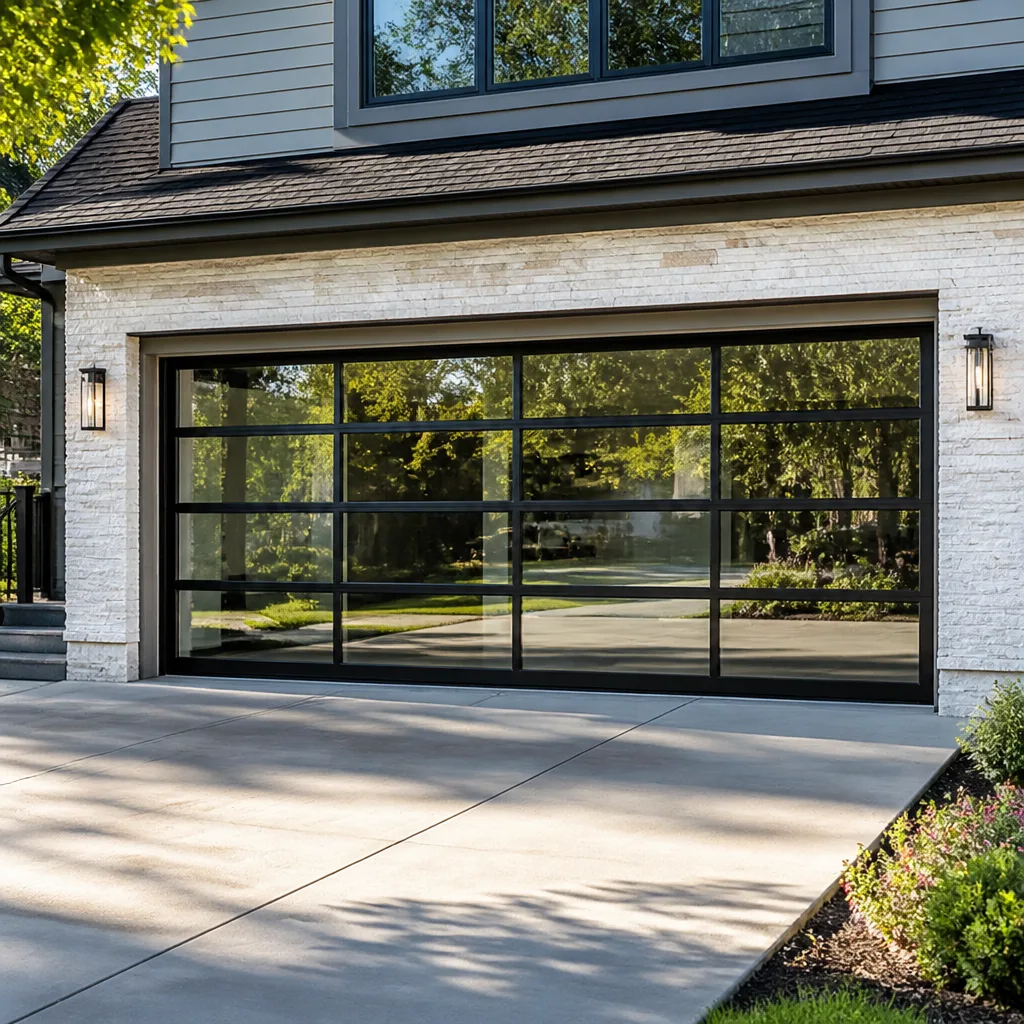 Full-view glass
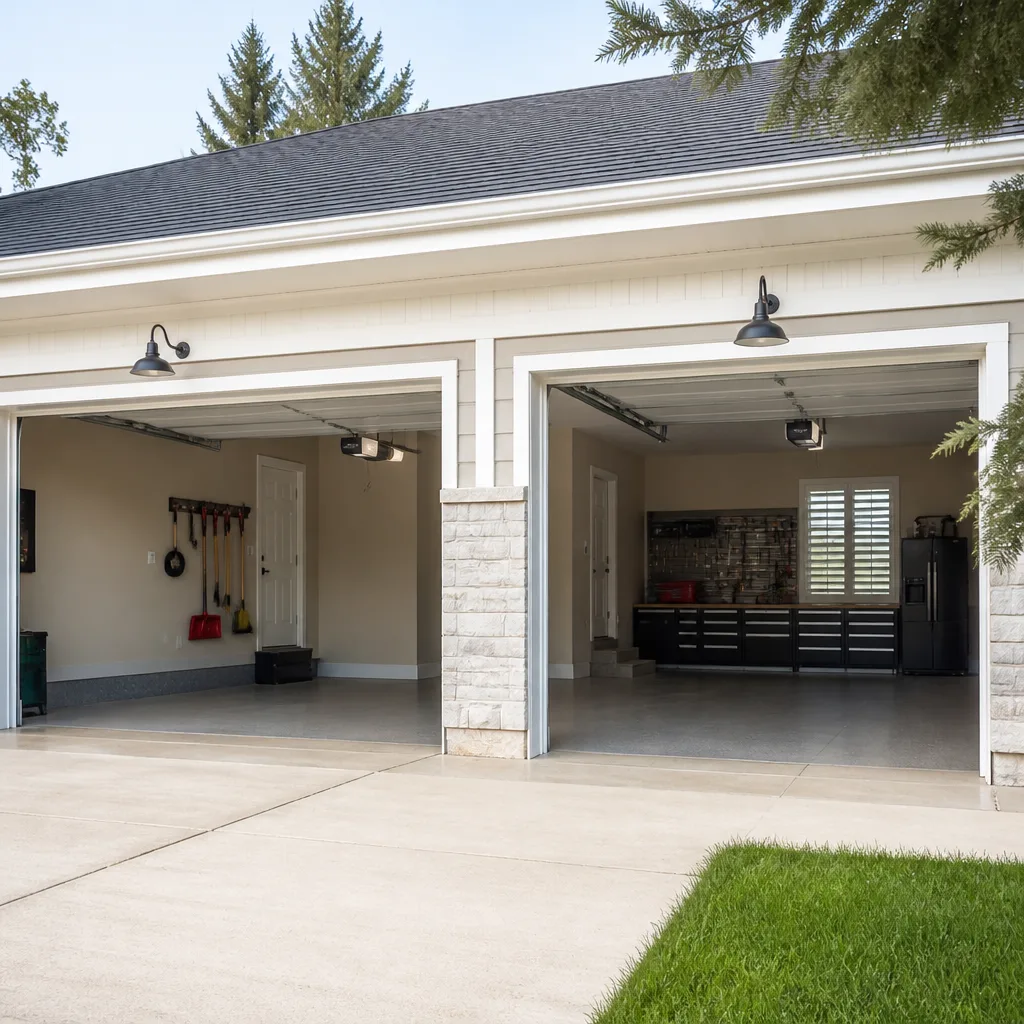 LiftMaster openers
 Chamberlain openers
Full 25-point door and opener safety check with every visit - springs, cables, rollers, tracks, and your LiftMaster or Chamberlain opener included
You get a price before we start. It does not change when the pro arrives.
Get your free estimateGarage Door Repair Troubleshooting in Bevo Mill: Common Problems and How to Fix Them
The door that “just stopped working” almost never fails without warning. It gave plenty of signals first – a slight lag on the way up, a rattle that showed up in January, a reverse that happened a foot off the floor. Most homeowners in Bevo Mill simply didn’t know what those signals meant until the door quit for good. That’s the whole reason this guide exists. By the end, you’ll be able to name which of the five failure categories your door falls into, separate the opener problems from the door-mechanics problems, and know which handful of adjustments are safe to make yourself and which ones belong to a technician with the right tools.
Quick Answer
Most garage door problems in Bevo Mill fall into one of five categories: opener faults, spring failure, track and roller damage, panel or hinge damage, and sensor or safety-reverse issues. If the motor runs but the door doesn’t move, suspect the spring or a broken drive component. If there’s total silence, it’s electrical or opener-related. If the door moves partway and reverses, look at the photo-eye sensors or travel limits first. Anything involving springs, cables, or the torsion assembly is a technician job – not a DIY one.
Styles & brands we work with
- Raised-panel steel
- Carriage house
- Modern flush
- Full-view glass
- LiftMaster openers
- Chamberlain openers
Table of Contents
- The Five Failure Categories (And Why Naming Yours Matters)
- Symptom-to-Cause Diagnostic Tree
- Is It the Opener or the Door?
- What “The Door Feels Heavy” Actually Means
- How Bevo Mill Temperature Swings Break Hardware
- Three Things You Can Safely Adjust Yourself
- What Requires a Technician Every Time
- When to Call a Professional
The Five Failure Categories (And Why Naming Yours Matters)
Every garage door breakdown lands in one of five buckets. Knowing which bucket you’re in tells you almost immediately whether you’re looking at a five-minute reset or a call to a technician. That’s the difference between a frustrating afternoon and an expensive missed diagnosis where you replace the wrong part.
Category 1: Opener faults. The motor, logic board, gear, or drive system has failed. Symptoms cluster around the opener itself – it hums without moving, clicks without running, or responds to the wall switch but not the remote.
Category 2: Spring failure. Torsion or extension springs have broken or lost tension. The door becomes very heavy, opens a few inches and stops, or won’t lift at all while the motor strains. This is the most common serious failure and the most dangerous to handle.
Category 3: Track and roller damage. The door binds, scrapes, or jumps the track. Rollers wear flat, tracks bend out of vertical, and hinges loosen over time. Usually gradual rather than sudden.
Category 4: Panel and hinge damage. A dented panel, cracked hinge, or bent strut throws off the door’s balance and alignment. Cosmetic on the surface, mechanical underneath.
Category 5: Sensor and safety-reverse issues. The door goes down partway then reverses, or won’t close at all. Almost always the photo-eye sensors or the force settings.
Nearly every call we take in Bevo Mill fits one of these five. Naming yours first saves diagnostic time, and it’s the fastest way to a real answer instead of a guess.
Symptom-to-Cause Diagnostic Tree
Start with what the door does – or doesn’t do – when you press the button. The symptom usually points straight to the category.
Symptom: Motor runs but the door doesn’t move
This is the classic broken-spring signature. You’ll hear the opener motor spin, maybe smell a faint burnt note, and see nothing happen. The motor is doing its job; the spring that balances the door is not. On a chain-drive opener you may also see the chain move while the door sits still, which points to a broken drive gear or stripped sprocket instead. Either way, this is not a homeowner fix.
Symptom: Total silence when you press the button
No hum, no click, no movement. Check three things before calling anyone: the breaker that feeds the opener circuit, the wall switch connection, and whether the bulbs in the opener are lit. If the opener has no power at all, it’s usually electrical rather than mechanical. If the wall switch works but the remote doesn’t, the problem is the remote, the receiver, or the battery.
Symptom: Door moves partway and reverses
Almost always the photo-eye sensors. Either something is blocking the beam (a hanging broom, a stored box, cobwebs), the sensors are misaligned, or the force setting is too low. A door that reverses at the same spot every time is a sensor problem. A door that reverses at different spots points to force or travel-limit settings.
Symptom: Door opens fine but won’t close (or vice versa)
Usually a limit-switch or travel-limit setting issue. The opener thinks the door has already reached the end of its travel. The fix is adjusting the up or down limit, which is one of the safe adjustments described below.
Symptom: Door is loud, grinds, or scrapes
Worn rollers, dry hinges, or a track that’s out of alignment. Sometimes a loose bolt on the opener rail. Rarely urgent, but it gets worse and the fix gets more expensive the longer it’s ignored.
Symptom: Door is visibly crooked or off the track
A snapped cable, a broken roller, or a bent track. Do not run the opener – the door can come down hard or fall partially. Call for garage door repair and leave the door where it is.
Is It the Opener or the Door?
This question comes up on almost every call, and there’s a simple way to answer it yourself before anyone shows up. The trick is to disconnect the opener from the door and test each side separately.
- Pull the emergency release cord. That’s the red-handled rope hanging from the opener rail. Pulling it disconnects the door from the opener carriage.
- Lift the door by hand. A properly balanced door should lift with one hand and stay put at about waist height when you let go. If it feels like lifting a car hood with a flat tire – heavy, hard to start, and won’t hold position – the door mechanics are the problem, most likely springs.
- Run the opener with the door disconnected. Press the wall button. If the opener carriage runs smoothly up and down the rail, the opener is fine and the problem lives in the door. If the opener doesn’t move, hums, or grinds, the opener is at fault.
- Reconnect carefully. Push the carriage back to engage the release. If you’re unsure how the reconnect works on your specific unit, that’s worth a phone call. Craftsman and Chamberlain units, in particular, have slightly different reconnect motions.
This test takes under five minutes and saves a service call in a surprising number of cases. When the door comes up heavy, don’t keep running the opener – that’s how a small spring problem turns into a burned-out motor.
For units that need repair on the opener side, our garage door opener repair handles LiftMaster, Chamberlain, Genie, and the other major brands without guesswork.
What “The Door Feels Heavy” Actually Means
When you say the door feels heavy, you’re describing a mechanical imbalance. A properly working sectional door is balanced by its springs so that its weight is nearly neutral in your hands. The spring carries the load; the opener only has to push it along the track. When the spring loses tension or breaks, the door reverts to its actual weight, which for a two-car double door can run well over a hundred pounds.
That heaviness is the clearest early warning sign of spring failure, and it almost always shows up before the spring actually snaps. Homeowners in Bevo Mill notice it as:
- The door opens a few inches then stops and reverses
- The opener strains, sounds labored, or trips its breaker
- You can no longer lift the door with one hand when disconnected
- A visible gap in the coil of a torsion spring (the horizontal spring above the door)
- A stretched or visibly kinked extension spring running alongside the track
Springs are under extreme tension. They are the single most dangerous part of any garage door system, and adjusting or replacing them without the right winding bars and training has injured a lot of people who thought they could do it themselves. If the door feels heavy, stop running it and call. Our spring repair is a dedicated service for a reason – it’s the most common serious failure we handle in Bevo Mill, and it’s the one where DIY attempts go badly wrong.
How Bevo Mill Temperature Swings Break Hardware
Bevo Mill sits in a part of Missouri that sees real swings between summer heat and winter cold. Those swings are hard on garage door hardware in ways that don’t show up in milder climates.
The clearest pattern we see: metal contraction on cold nights stresses springs that were already fatigued from summer. A torsion spring that survived a hot July can snap in a January cold snap, not because the cold is stronger but because the metal shrinks and the tension shifts, and the worn section finally gives. Homeowners often describe it as “the door broke overnight” – and in a sense, it did.
The weather also affects other parts. Wood and steel panels expand and contract, loosening hinges and struts. Grease thickens in the cold and stops lubricating rollers. Photo-eye lenses fog or mist over in damp weather, throwing off safety sensors. Tracks go slightly out of alignment when the slab under the door shifts with freeze-thaw cycles. None of it is dramatic on its own, but together it means door maintenance in Bevo Mill has to account for seasonal swings rather than assume a stable climate.
What we tell homeowners here: get ahead of the cold. A pre-winter check on springs, rollers, and hinges costs far less than a same-day emergency after a February failure. And on the hottest weeks, doors left in direct sun can run hot enough that the opener’s thermal protection trips – not a real failure, just the opener taking a break.
Three Things You Can Safely Adjust Yourself
Three garage door adjustments are genuinely safe for a homeowner to make. Everything else belongs to a technician. Here’s what you can do without winding a spring or loosening a cable.
1. Travel limits
Travel limits tell the opener how far to push the door up and down. When the door stops short of the floor, or grinds against the header on the way up, the up or down limit is out of adjustment. The adjustment screws are on the side of the opener body, usually marked “up” and “down” or with arrow symbols. Turn in small increments – a quarter turn at a time – and test after each change.
2. Force settings
Force settings determine how hard the opener pushes before it reverses. Too low and the door reverses partway through its travel; too high and the opener ignores legitimate obstructions. Adjust in tiny increments, and if you find yourself turning the force up repeatedly to get the door to close, stop. That’s a symptom of a mechanical problem the force setting can’t fix, and pushing it higher can hide a real failure.
3. Photo-eye alignment
The two photo-eye sensors sit about six inches off the floor on either side of the door. Each has a small LED; when they’re aligned and working, both show a steady light (some models blink). If one is dark or blinking rapidly, wipe the lens with a soft cloth and nudge the sensor mount until the lights steady out. Check that nothing is hanging in the beam – a mop handle, a bike, a sack of fertilizer.
Three adjustments. That’s the safe DIY list. If travel limits and force settings don’t fix the problem after a reasonable attempt, or if you’re adjusting them repeatedly, that points to a mechanical issue that calls for a real diagnosis.
What Requires a Technician Every Time
Some garage door failures are not homeowner jobs, full stop. The tension involved in springs and cables can cause serious injury, and the electrical work inside an opener can too. Always call a trained professional for:
- Any spring work. Torsion or extension springs, whether broken, worn, or just suspected. Winding bars, proper technique, and knowing how to release stored tension safely are non-negotiable.
- Any cable work. Cables are under heavy tension and can whip when released. Replacing or adjusting them requires the same care as springs.
- Track realignment. Tracks are structural to the door’s travel. A small bend can look fixable but throws off the whole system when straightened wrong.
- Panel replacement on a damaged door. Matching the panel profile and color to the original Clopay, Amarr, Wayne Dalton, or Raynor door matters, and getting the strut and hinge alignment right matters more.
- Opener logic board, gear, or motor faults. The opener’s internals are electrical and the diagnostics aren’t a guessing game. Some failures look like sensor problems but are actually board faults.
- Any full-door replacement. Balance, spring sizing, and new track installation are all interlocked. It’s a measured, ordered, scheduled job – not a same-day repair.
For panel or full-door replacement, our garage door installation covers sizing, brand matching, and removal. For everything else in the list above, Garage Door Repair Bevo Mill is the fastest way to book a technician who works on the brand you already have. If your door has failed and you’re not sure which of these you’re looking at, that’s exactly the call we take.
Common Mistakes to Avoid
- Forcing the opener when the door is heavy. If the door feels heavier than usual, don’t keep pressing the button hoping it’ll catch. You’ll burn out the opener motor or strip the drive gear, turning a spring fix into a spring-plus-opener repair.
- Turning up the force setting to compensate for a heavy door. The force setting isn’t a workaround for a failing spring. Raising it hides a real problem and can cause the door to close on an obstruction that should have reversed it.
- Ignoring the “door reverses partway” symptom for weeks. In Bevo Mill, temperature swings make small alignment issues worse faster than in stable climates. What’s a five-minute photo-eye adjustment in October can be a stuck door in January.
- Buying a new opener before checking the spring. Plenty of homeowners replace a perfectly good opener because the door “stopped working” – when the actual fault was a broken spring. Test the opener separately (see the disconnect test above) before assuming the electronics are the problem.
- DIY spring replacement. Springs are wound to extreme tension. Even one slip on the winding bars has caused serious injury. This isn’t a “watch a video and try it” job, no matter how simple it looks on screen.
- Oiling the tracks. Rollers, hinges, and springs benefit from lubrication. Tracks don’t – oil attracts dirt, and dirt makes rollers slip and jam. Wipe tracks clean and dry.
- Mismatching parts on a brand-specific door. Craftsman openers, Clopay panels, and Wayne Dalton torsion systems all have specific tolerances. A generic replacement part can work for a while and then cause a failure down the line that costs more than doing it right the first time.
When to Call a Professional
Call us when you hear the opener but the door doesn’t move, when the door feels heavy in your hands, when a cable is visibly slack or off its drum, when the door is off its track or hanging crooked, or when the opener responds to the wall switch but not the remote even after a fresh battery. Call when the sensors are aligned, clean, unobstructed, and the door still reverses. Call when you’ve tried adjusting travel limits and force settings and the door still misbehaves. And call immediately if any part of the door looks bent, sagging, or physically out of place – running a door with a bent track can bring it down.
Garage Door Repair Bevo Mill offers free estimates in Bevo Mill – call (844) 734-5652. Our technicians have up to 14 years of experience, they work on the brand you already have, and prices are quoted and agreed before any work starts. You’ll know what’s wrong and what it costs before a wrench comes out.
See the difference
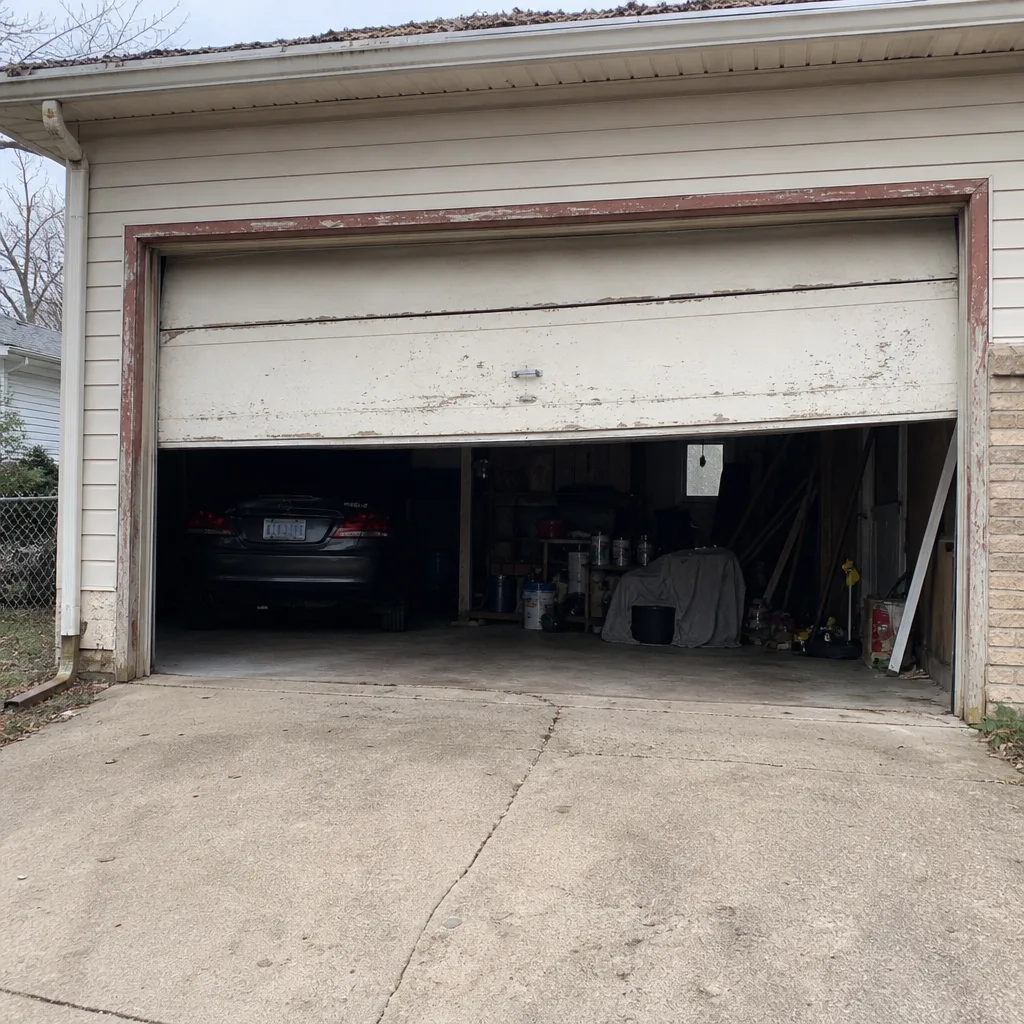 Before
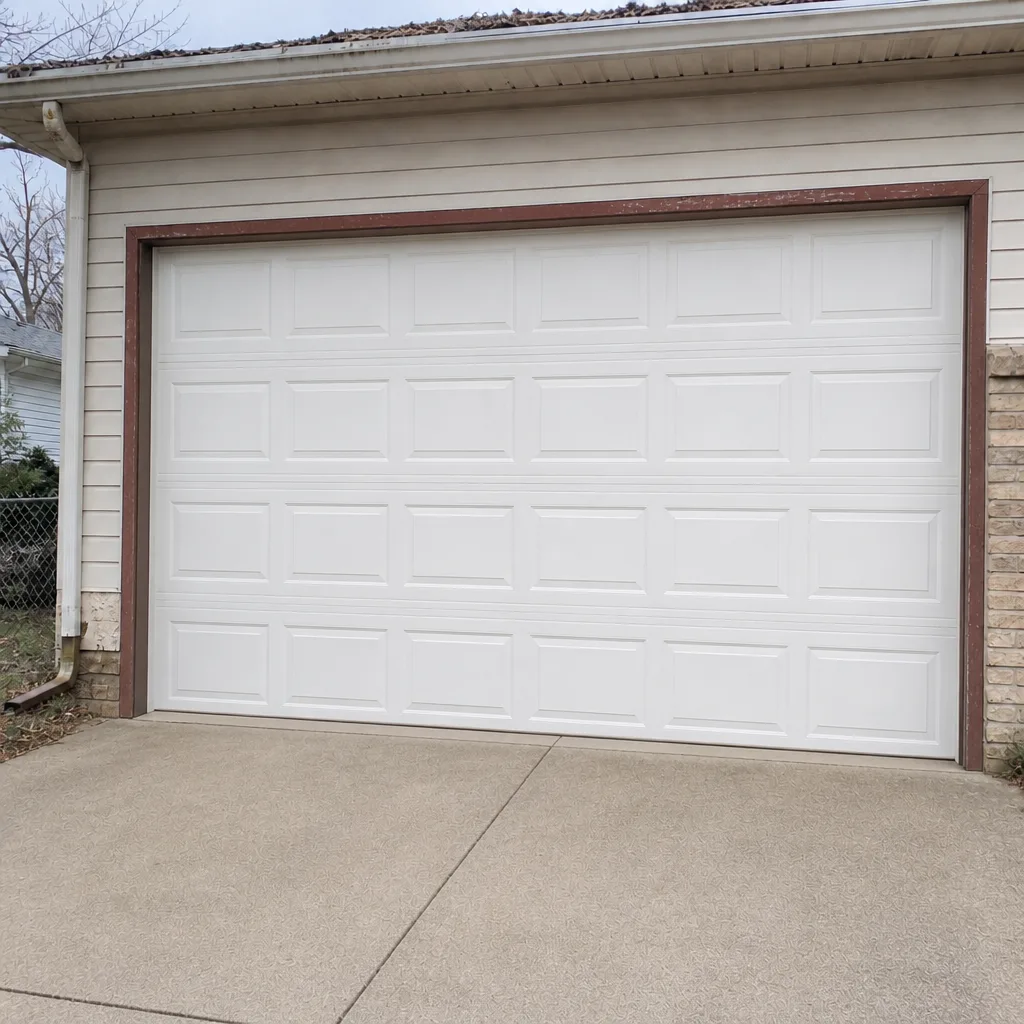 After
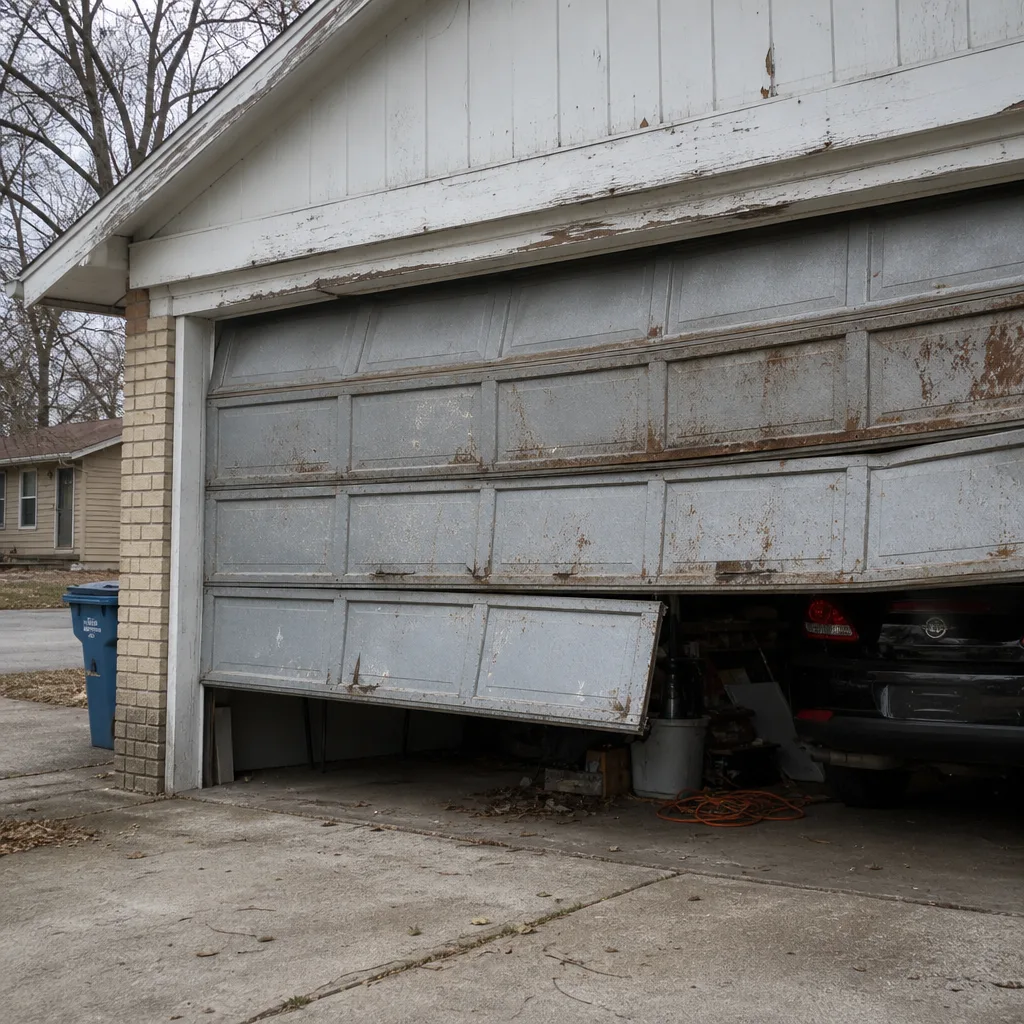 Before
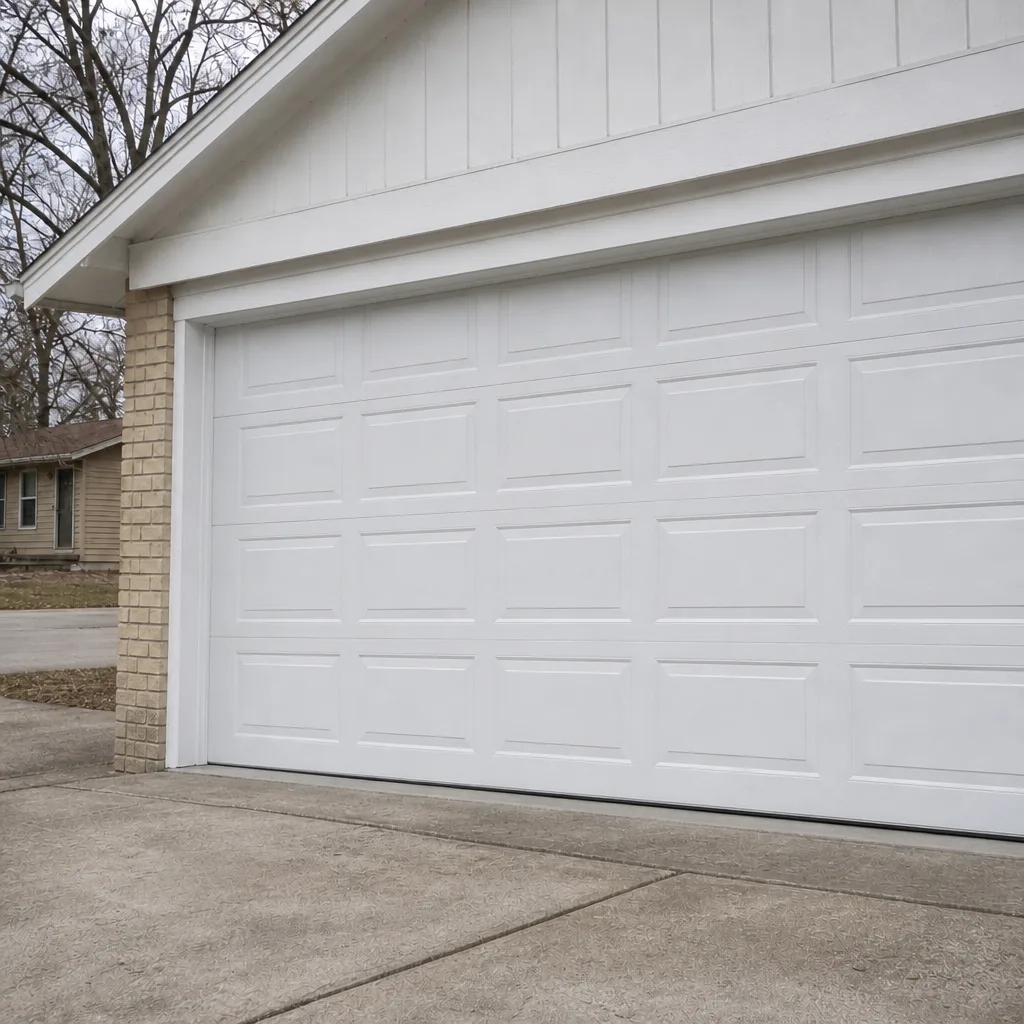 After
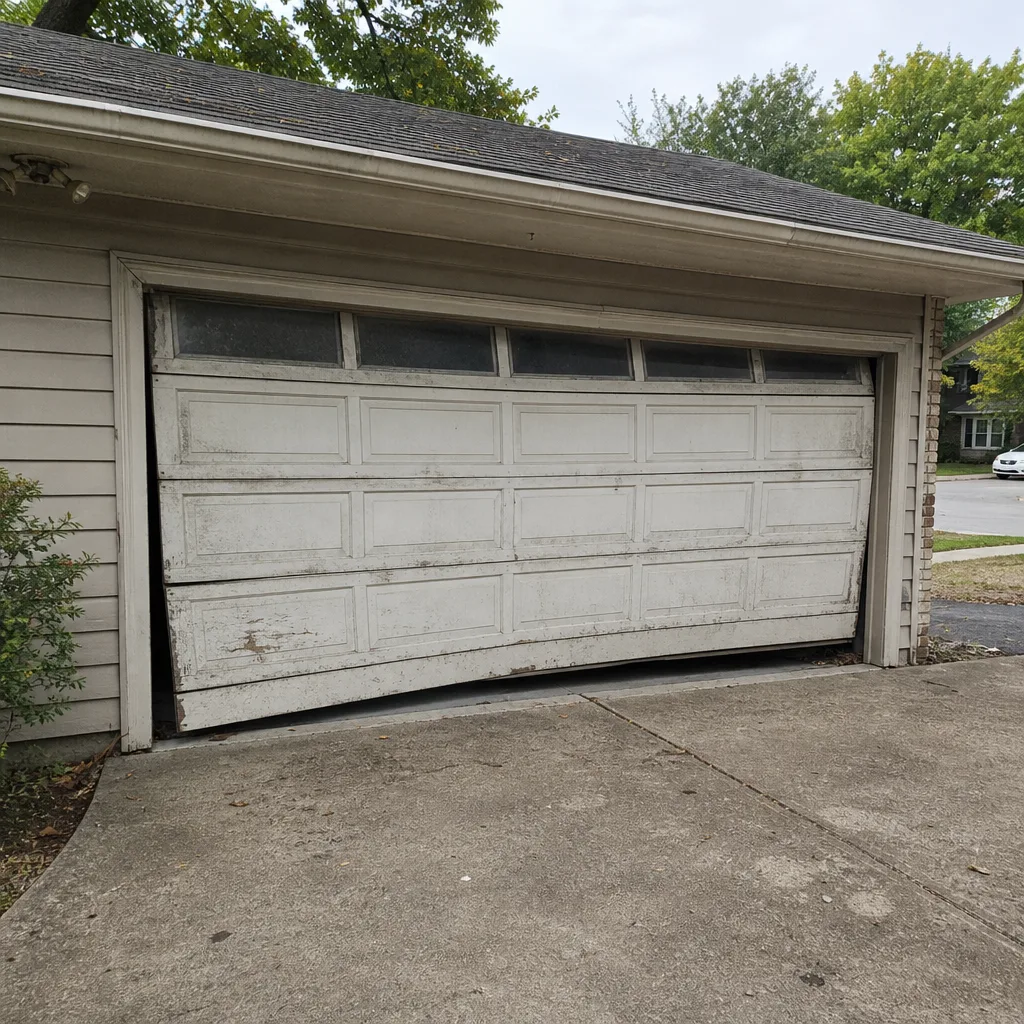 Before
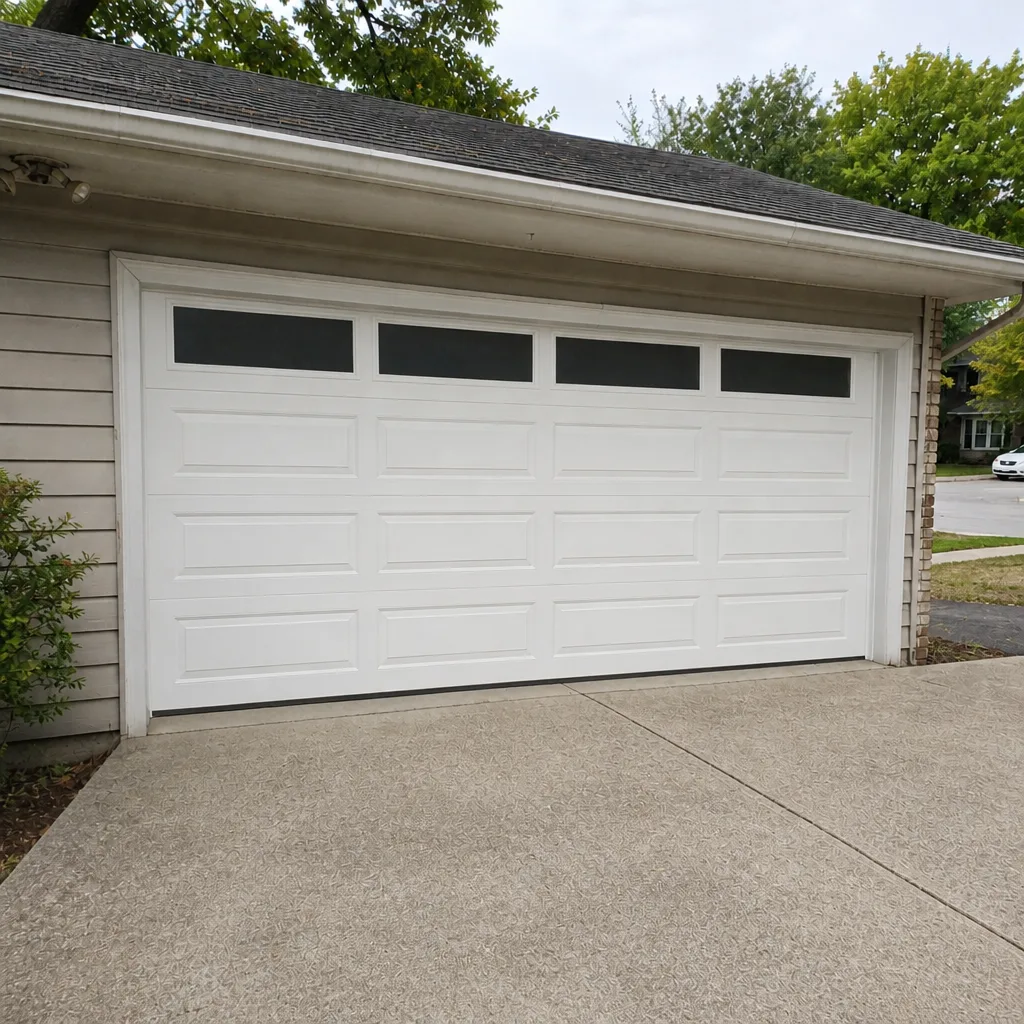 After
Frequently Asked Questions
Spring replacement typically runs in the low-to-mid hundreds per spring, with a matched pair replacing both at once for roughly twice that. The written estimate you receive before work begins sets the final price. Call (844) 734-5652 for an exact quote – estimates are free.
In most cases, yes. We prioritize stuck-open doors and broken springs because they leave your home exposed, and for repair calls we can often get a technician out the same day. Call (844) 734-5652 and describe what the door is doing – that helps us route the right parts.
No. The price you agree to before work starts is the price. We inspect the door, quote the repair, and hold to that number. If the inspection reveals something you didn’t know about – a bent track under a broken spring, for example – we explain it and quote it as an add-on before proceeding, never after.
The local professionals we connect you with are state-licensed and insured as their state requires. Our technicians have up to 14 years of experience, and they work on all eight of the most common brands in residential homes – LiftMaster, Chamberlain, Genie, Clopay, Amarr, Wayne Dalton, Craftsman, and Raynor.
The photo-eye sensors. Nine times out of ten, a door that opens but won’t close has a blocked, dirty, or misaligned safety sensor. Wipe the lenses, check for obstructions, and confirm both sensor LEDs are lit. If the sensors are clean, aligned, and clear, and the door still won’t close, that points to a travel-limit or force-setting issue that needs a trained eye.
If the door has needed three or more separate repairs in a two-year span, or if panels are rusted through, cracked, or sagging, replacement is usually the better investment. If the door is structurally sound and just needs one component fixed, repair is almost always the right call. An on-site inspection settles the question – and unlike a same-day repair, replacement is a measured, ordered, scheduled job, so we quote it in writing before anything is ordered.
The Bottom Line
Most garage door problems in Bevo Mill come down to five failure categories, and naming yours is the quickest path to the right fix. Motor runs but door doesn’t move means spring or drive fault. Total silence means electrical or opener. Door moves partway and reverses means sensors or limits. A door that feels heavy in your hands is a spring warning – never ignore it. The three safe DIY adjustments are travel limits, force settings, and photo-eye alignment; everything involving springs, cables, tracks, panels, or opener internals belongs to a trained technician. Fix the actual root cause, not a symptom. A door with a broken spring doesn’t need an opener – it needs a spring.
Contact Us
If your door has stopped working and you want a straight answer on what’s wrong and what it costs, call Garage Door Repair Bevo Mill at (844) 734-5652 for a free estimate. We work on the brand you already have, from LiftMaster openers to Wayne Dalton doors, and we carry the parts that get most doors back up without a return visit. Tell us the problem; we’ll name the fix. Prices are quoted and agreed before any work starts.
Written by the team at Garage Door Repair Bevo Mill.