Last updated November 23, 2026
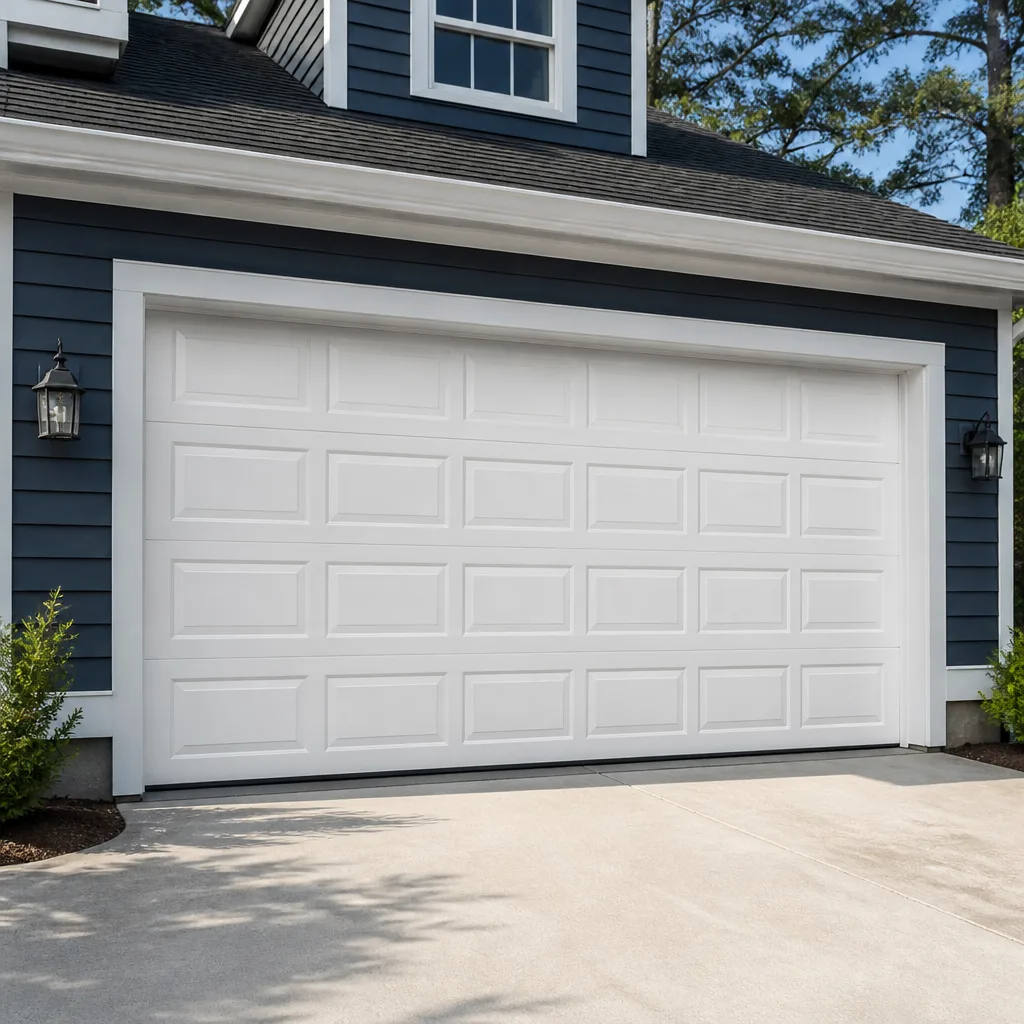 Raised-panel steel
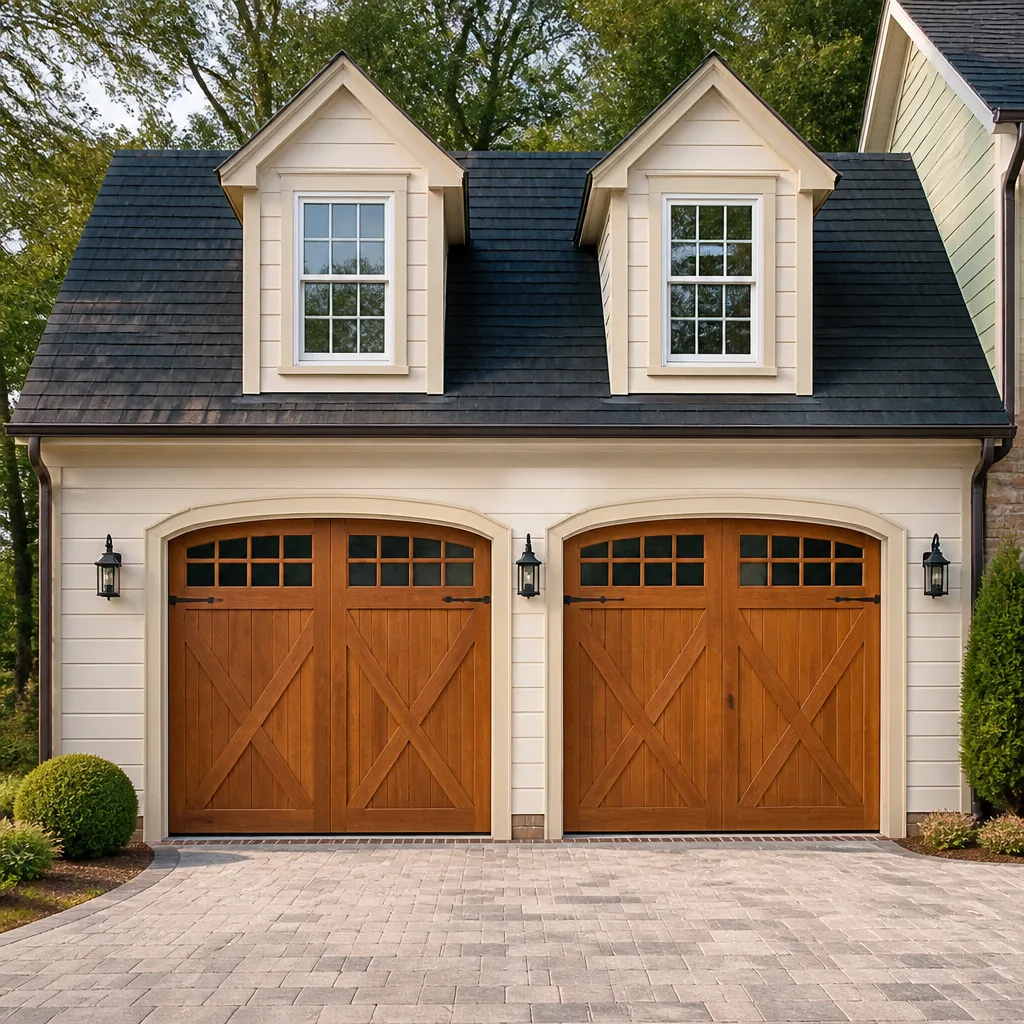 Carriage house
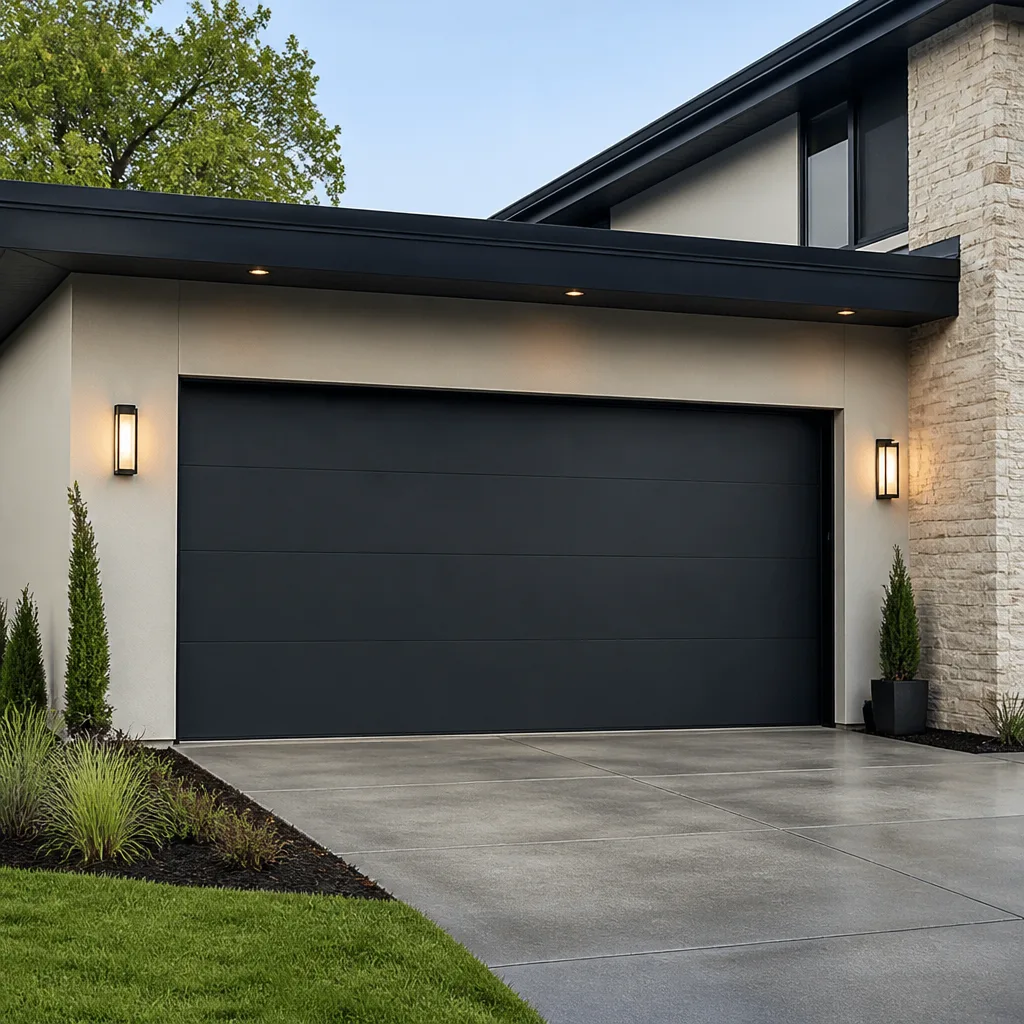 Modern flush
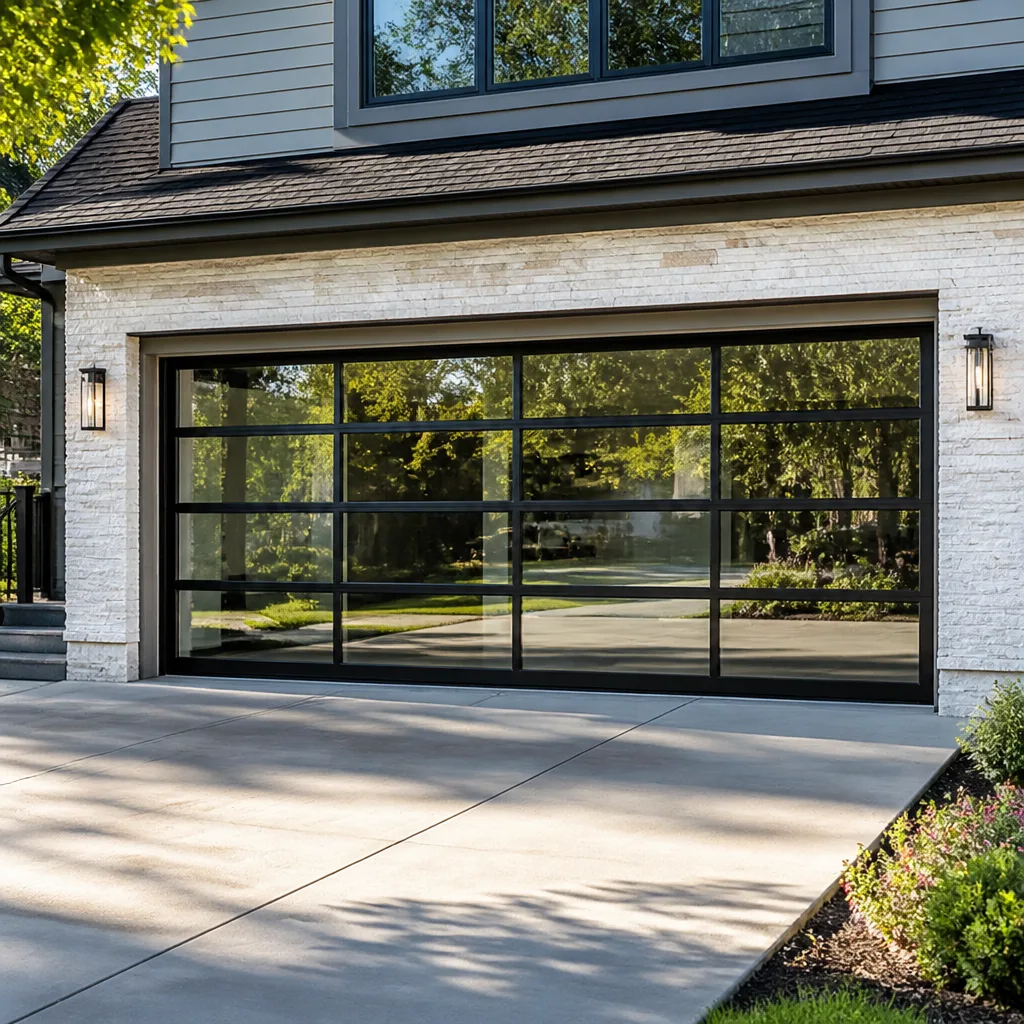 Full-view glass
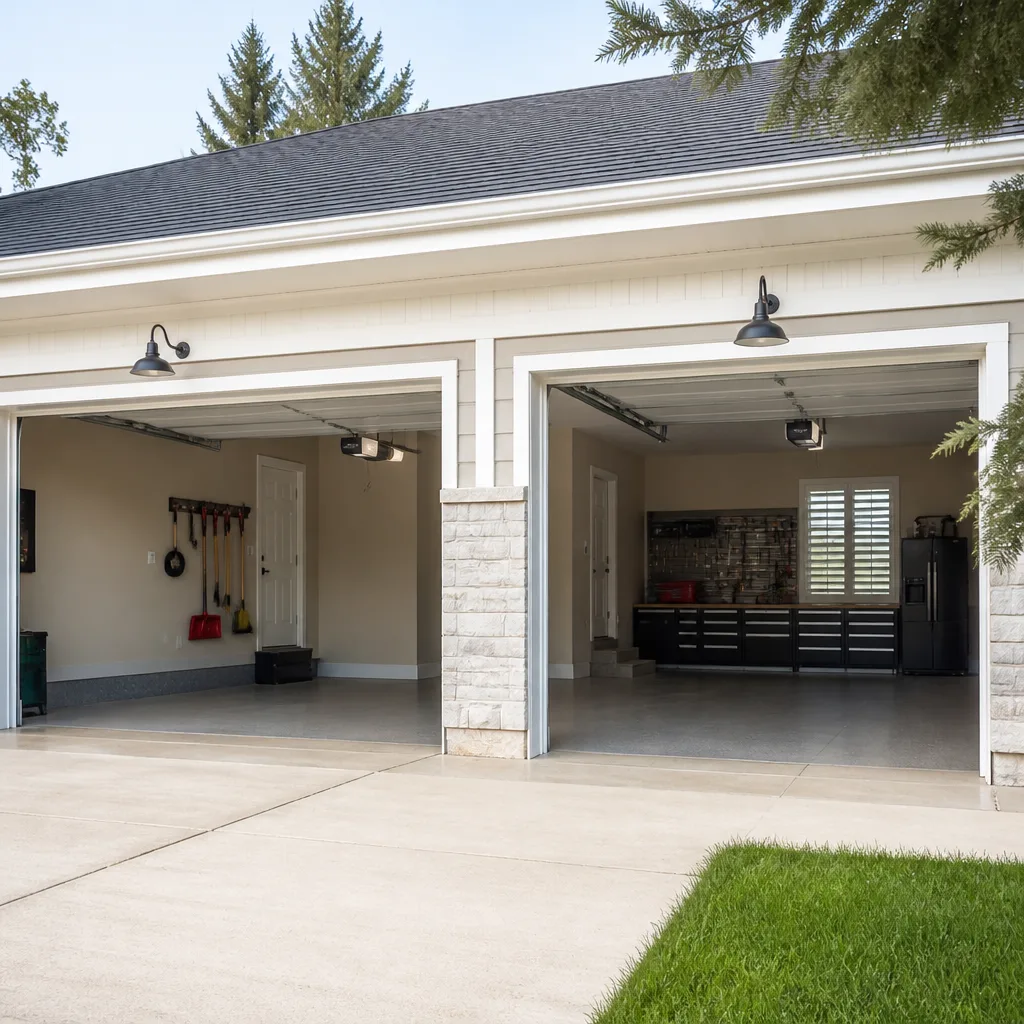 LiftMaster openers
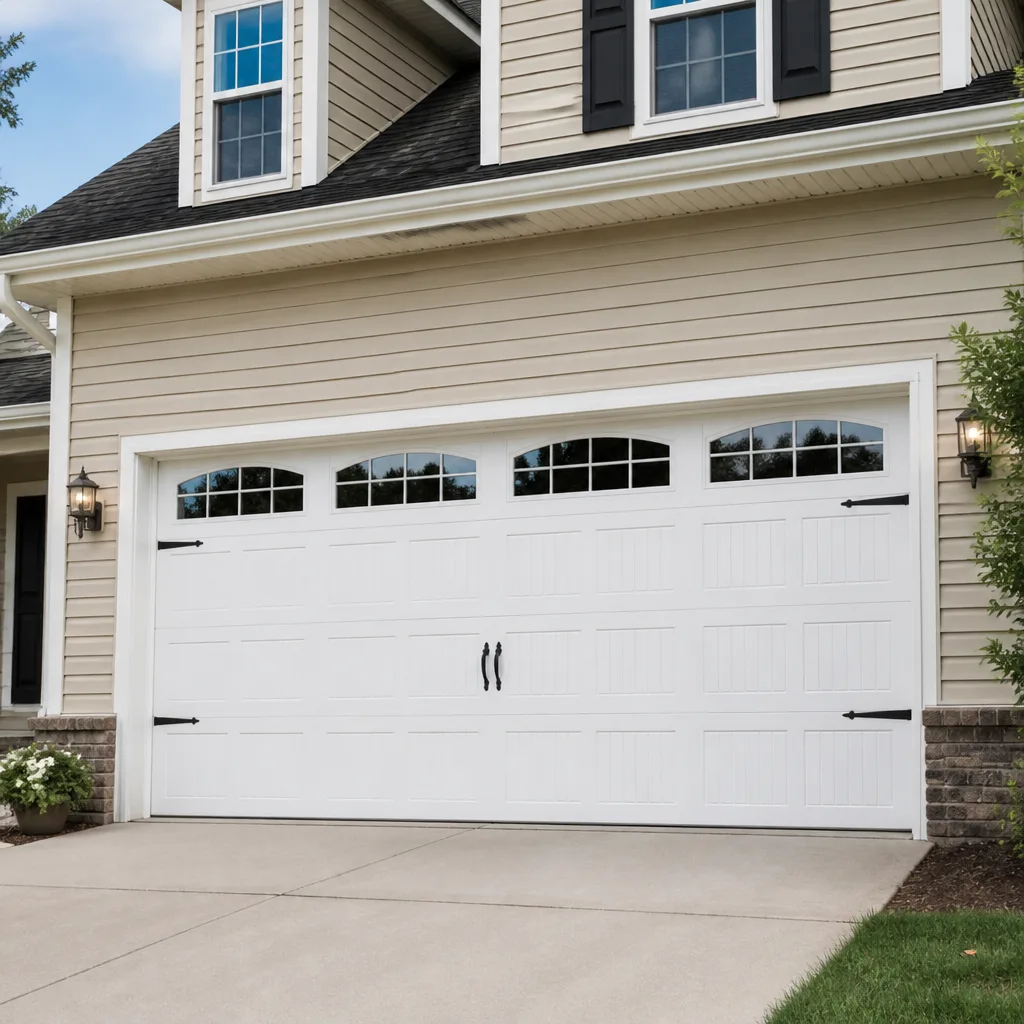 Chamberlain openers
Full 25-point door and opener safety check with every visit - springs, cables, rollers, tracks, and your LiftMaster or Chamberlain opener included
You get a price before we start. It does not change when the pro arrives.
Get your free estimateChoosing the Right Garage Door Brand: A Buyer’s Guide for Bevo Mill
A well-reviewed national brand means nothing if replacement panels are a special order and the nearest authorized dealer is a long drive away. That’s the real situation with two of the brands homeowners are most often pitched, and it’s why brand reputation alone is a poor way to choose a garage door. What matters in Bevo Mill is parts availability in the St. Louis market, how a door’s steel gauge holds up against real summers and winters, and whether the opener brand plays nicely with the door. This guide walks through the eight brands we work on most and gives you the criteria that actually affect what owning one is like.
Quick Answer
The right garage door brand for a Bevo Mill home is the one with local parts availability, a warranty that’s honored in practice, and sizing that fits your existing opening, not the one with the best national review score. In the St. Louis market, brands like LiftMaster, Chamberlain, Clopay, and Amarr tend to have the smoothest parts and service paths, while others can leave you waiting on special orders. Match the door to your structure and opener compatibility first, then compare specs.
Styles & brands we work with
- Raised-panel steel
- Carriage house
- Modern flush
- Full-view glass
- LiftMaster openers
- Chamberlain openers
Table of Contents
- Why Brand Reputation Isn’t the Whole Story
- How to Judge Parts Availability in the St. Louis Market
- Steel Gauge Tiers: Where Marketing and Durability Diverge
- Which Brands Enforce Warranties and Which Make Claims Hard
- Matching a Door Brand to Your Bevo Mill Garage Structure
- Opener Compatibility: LiftMaster, Chamberlain, and the Rest
- How St. Louis Weather Affects Brand Choice
- A Step-by-Step Way to Evaluate Any Brand
Why Brand Reputation Isn’t the Whole Story
National review scores tell you how a door performs for the average buyer somewhere in the country. They don’t tell you whether the panel you need is sitting in a St. Louis warehouse or on a six-week backorder. In our experience, that gap between reputation and reality is where most Bevo Mill homeowners get frustrated. A door that’s fine on paper can become a headache the first time a panel or a hinge fails and the part isn’t locally available.
Here’s what actually determines your ownership experience, and it’s worth ranking these above review scores:
- Local parts supply. Common wear items – rollers, hinges, springs, opener parts – should be available without a special order. This is the single biggest factor in how long a repair takes.
- Panel availability. If your door gets dented, a replacement panel that takes weeks to arrive leaves you with a visible problem the whole time.
- Sizing that matches older homes. Bevo Mill has a lot of older housing stock, and not every brand’s standard sizes drop into an existing opening.
- Opener integration. A door and an opener that don’t communicate cleanly create years of small annoyances and service calls.
- Warranty that’s honored. A warranty is only worth what a brand actually pays out on, and the gap between brands here is wide.
When you’re evaluating a brand in Bevo Mill, ask a technician which brands they can source parts for quickly. That single question tells you more about your next five years of ownership than any star rating. You can also read more about how we approach garage door repair in this area to understand what local parts access looks like in practice.
How to Judge Parts Availability in the St. Louis Market
Parts availability is a local question dressed up as a product question. The same door brand can be easy to service in one metro and difficult in another depending on regional distribution. In the St. Louis market, the brands with strong distribution tend to get parts to Bevo Mill homes faster, while others depend on special orders that stretch out repairs.
Use this sequence when you’re sizing up any brand’s real-world parts situation:
- Ask about the specific part. Not “can you get parts?” but “can you get a replacement panel for this model, and how long does it take?” Generic answers mean generic availability.
- Check wear-item access. Rollers, hinges, cables, and opener gears should be common-stock items. If those are special orders, everything else will be worse.
- Ask who stocks it. A brand whose parts sit in regional distribution is easier to live with than one that ships from a single facility far away.
- Confirm it for your model, not the brand line. Availability often varies within a brand between premium and entry-level lines.
- Consider your opener too. Opener parts follow the same rules. That’s why we treat garage door opener repair as a parts question as much as a mechanical one.
The brands we work on most – LiftMaster, Chamberlain, Genie, Clopay, Amarr, Wayne Dalton, Craftsman, and Raynor – cover nearly every residential system you’ll find in Bevo Mill. Our technicians have up to 14 years of experience, and much of that experience is knowing which part is going to be a phone call versus a wait. When a common repair can be finished in one visit because the part is on hand, that’s the difference brand choice makes on the ground.
Steel Gauge Tiers: Where Marketing and Durability Diverge
Steel gauge is the number most homeowners compare and the number most misunderstood. Lower gauge means thicker steel, so a 24-gauge door is heavier and stiffer than a 27-gauge door. The marketing tends to stop there, but real durability depends on more than the gauge number: insulation, the number of layers, hinge and roller quality, and how the door handles seasonal movement all matter.
A few points worth understanding before you compare doors side by side:
- Thicker steel resists dents better but is heavier. Heavier doors put more load on springs, hinges, and the opener. A very thick door on a tired opener can create problems that have nothing to do with the steel.
- Gauge alone doesn’t predict rust or wear. Coatings, panel seams, and bottom-seal quality affect how a door ages far more than a single gauge figure.
- Insulation tiers are where major brands differ most. A two-layer or three-layer door with insulation performs differently in a St. Louis summer than a single-layer pan door, even at the same nominal gauge.
- Hardware quality is the hidden variable. A 25-gauge door with good hinges and rollers outlasts a 24-gauge door with cheap hardware.
On a Bevo Mill home with an attached garage, the practical question isn’t “what’s the thickest steel I can buy” but “what door performs well, is supported locally, and balances well against the opener and springs I have.” A technician who evaluates the whole system will tell you when a heavier door means upgrading springs or an opener to match. That’s a conversation worth having before you commit to a gauge tier based on a spec sheet. If you’re weighing a full replacement, our garage door installation page covers how the measure-and-order process works.
Which Brands Enforce Warranties and Which Make Claims Hard
Warranties are where the gap between brands is widest, and it’s also where homeowners get the least straight information. The terms look similar on paper – years of coverage on sections, hardware, and finish – but how claims are handled in practice varies a lot. Some brands make it straightforward; others put enough conditions in the way that claims stall.
Watch for these factors when you compare warranty terms:
- Who the claim goes through. A warranty handled through local service support is easier to resolve than one that requires factory-level back-and-forth.
- What’s excluded. Springs, rollers, and opener parts are often covered differently from door sections. Read the exclusions, not just the headline years.
- Installation requirements. Many warranties require installation by a qualified installer, and a claim can be denied if the door was installed incorrectly. That’s a reason to get installation done properly the first time.
- Proration and labor. Some coverage is prorated over time, and labor is commonly excluded. A warranty that covers the part but not the labor still costs you.
- Documentation. Keep your purchase and installation records. Brands that enforce warranties strictly also tend to require proof of proper installation.
The practical takeaway: a brand with a slightly shorter warranty that’s actually honored is worth more than a longer warranty full of conditions. Ask how claims are handled for the specific brand you’re considering, not just what the warranty document says. A technician who services the brand regularly usually knows.
Matching a Door Brand to Your Bevo Mill Garage Structure
Bevo Mill’s older housing stock is one of the biggest reasons brand choice matters more here than it might in newer subdivisions. Many garages in the neighborhood weren’t built to today’s standard door dimensions, and not every brand’s standard sizing drops cleanly into an older opening. If you pick a brand before you measure, you can end up paying for custom work or an opener upgrade you didn’t plan on.
Before you choose a brand, figure out these structural details:
- The actual opening size. Older openings can be slightly off-standard in height or width. A door brand with flexible sizing is easier to fit.
- Headroom. The space above the opening determines whether a standard, low-clearance, or high-lift track setup is needed. Some brands handle this cleanly; others push you toward a custom configuration.
- Ceiling and framing condition. Older garages may need framing adjustment before a new door goes up. That affects which track and mounting options work.
- Side clearance. Track and hardware need room on each side, and tight garages limit which brands’ standard hardware fits.
A free measure is the step that resolves all of this. It tells you your actual opening dimensions and clearances, which then narrows the field of brands that fit without extra work. Instead of picking a brand and hoping it fits, you measure first and let the brand choice follow. For a Bevo Mill home with an older garage, that order makes a real difference in cost and how the door performs.
Opener Compatibility: LiftMaster, Chamberlain, and the Rest
Opener and door compatibility is the section most buyers skip and later regret. The door, springs, tracks, and opener work as one system, and a door brand that pairs well with your opener makes everything smoother. Two opener names dominate residential garages and behave well with most major door brands: LiftMaster and Chamberlain. Both are widely serviced and broadly compatible, which is why they’re common in Bevo Mill homes and why we work on them often. Craftsman openers, which share heritage with the Chamberlain family of systems, also fit comfortably into the same compatibility picture.
Where integration headaches appear:
- Weight mismatches. A heavier door paired with a standard opener strains the opener motor and openers. The door brand chooses the weight; the opener has to be rated for it.
- Safety-reversing setup. Different openers pair with different safety sensors and reversing systems. A mismatch shows up as nuisance reversing or failed safety tests.
- Smart-home features. If you want app control or keypad integration, compatibility depends on both the door and opener brands. Not every combination plays nicely.
- Wayne Dalton and Raynor systems. These brands pair well with common openers when specified correctly, but their door-specific hardware needs a knowledgeable install to keep opener and door working in step.
Our approach is to work on the brand you already have. Since we service equipment from LiftMaster, Chamberlain, Genie, Clopay, Amarr, Wayne Dalton, Craftsman, and Raynor, we can tell you plainly whether your existing opener will handle a new door or whether it needs an upgrade to match. That one answer prevents most of the compatibility problems we see. The same fluency applies to everyday fixes, which is why homeowners in Bevo Mill often start with a straight diagnostic before deciding whether to repair or replace.
How St. Louis Weather Affects Brand Choice
St. Louis weather puts a door through a genuine range: humid summers, freezing winters, and enough temperature swings to stress every moving part. That’s not a reason to buy the most expensive brand, but it is a reason to weigh durability factors that box-store comparison charts tend to flatten out.
What this means for a Bevo Mill door:
- Springs take the most wear. Temperature swings work springs through their cycle life faster, and spring replacement is the most common repair we handle. Brand choice affects part availability and cycle ratings, not whether springs eventually fail.
- Seals and bottom weatherstripping matter. Good seals keep out moisture and drafts, and they’re one of the first things to wear. Some brands make replacement seals easier to source.
- Coatings affect how a door ages. Finish quality determines how a door handles humidity and freeze-thaw cycles. It’s worth checking beyond the spec sheet.
- Insulation helps with summer heat. An insulated door makes an attached garage more usable in July. The brand’s insulation tiers are worth comparing.
The door that performs best in Bevo Mill is one built with durable hardware and supported by local parts. Neither of those is a brand slogan. They’re features you can check before you buy.
A Step-by-Step Way to Evaluate Any Brand
Here’s a practical sequence to run when you’re comparing two or three brands for a Bevo Mill home. It puts the criteria that matter first and the marketing second.
- Start with the measure. Get your actual opening size, headroom, and side clearances. This eliminates brands that won’t fit without custom work.
- Check local parts availability. Ask which wear items and replacement panels are common stock versus special order. This is your biggest ownership-experience factor.
- Compare durability beyond gauge. Look at insulation layers, hardware quality, and finish, not just the steel gauge number.
- Read the warranty exclusions. Find out what’s covered, how claims are handled, and whether labor is included.
- Confirm opener compatibility. Make sure your opener can handle the door’s weight and that safety sensors and smart features will work together.
- Get a written quote before anything is ordered. The written estimate sets the final price, so have it in hand before work begins.
If a brand makes the first five steps difficult, that’s your answer, no matter how good the reviews are. If it clears them, the brand is on solid ground for a Bevo Mill home.
Common Mistakes to Avoid
- Choosing by review score alone. A well-rated brand can still mean weeks of waiting for a replacement panel. Check local parts availability before you trust a national score.
- Skipping the measure. Ordering a standard-size door before measuring an older Bevo Mill opening is one of the most expensive mistakes we see. Measure first, then choose.
- Buying the heaviest steel without checking the system. A very thick door can overload springs and an opener that were sized for a lighter one. The door, springs, and opener have to be matched.
- Ignoring opener compatibility. A door and opener that don’t pair cleanly create years of small problems. Confirm they work together before you buy.
- Reading only the warranty headline. Years of coverage mean little if exclusions, proration, or labor costs make claims impractical. Read the fine print.
- Assuming gauge tells the whole durability story. Hardware quality, insulation, and finish matter as much as steel thickness. Compare the whole door, not one number.
- Getting a vague verbal estimate. Prices should be quoted and agreed in writing before any work starts. A written estimate protects you from a surprise invoice.
See the difference
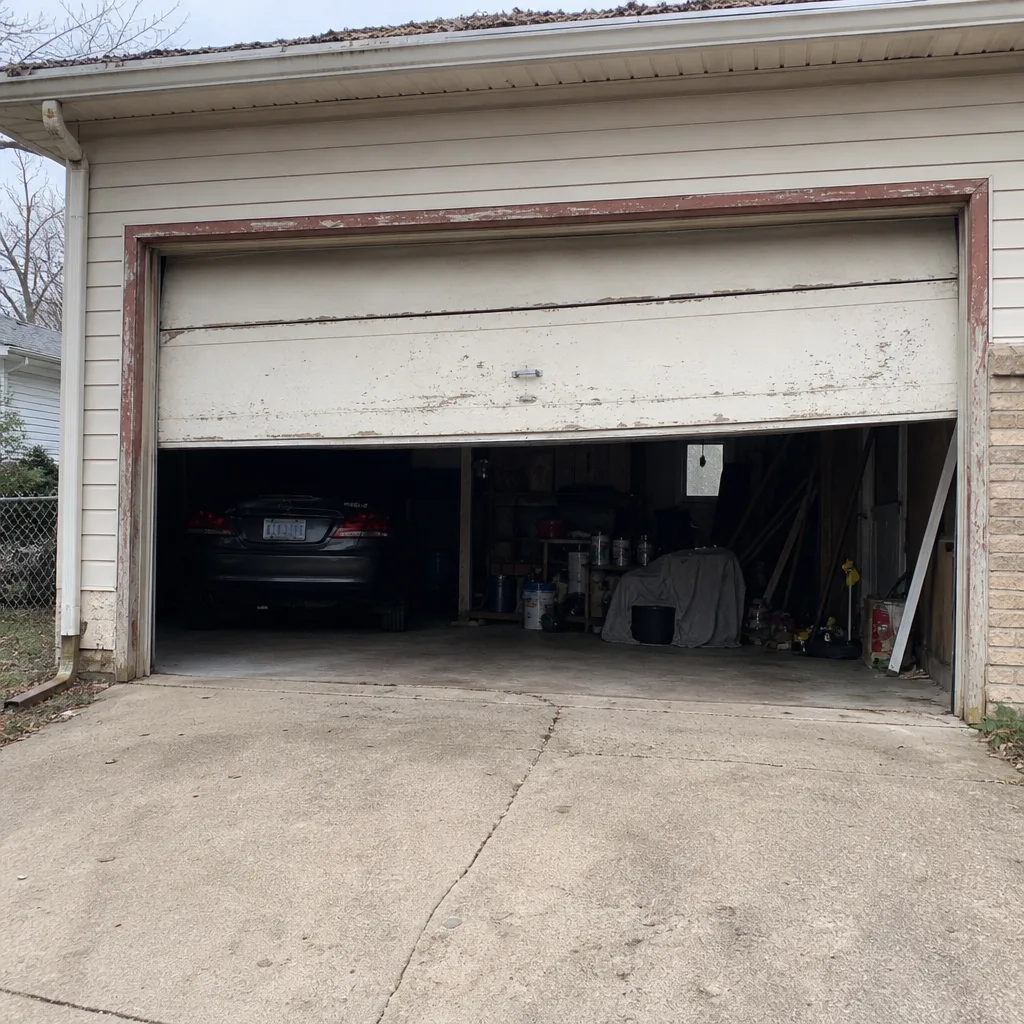 Before
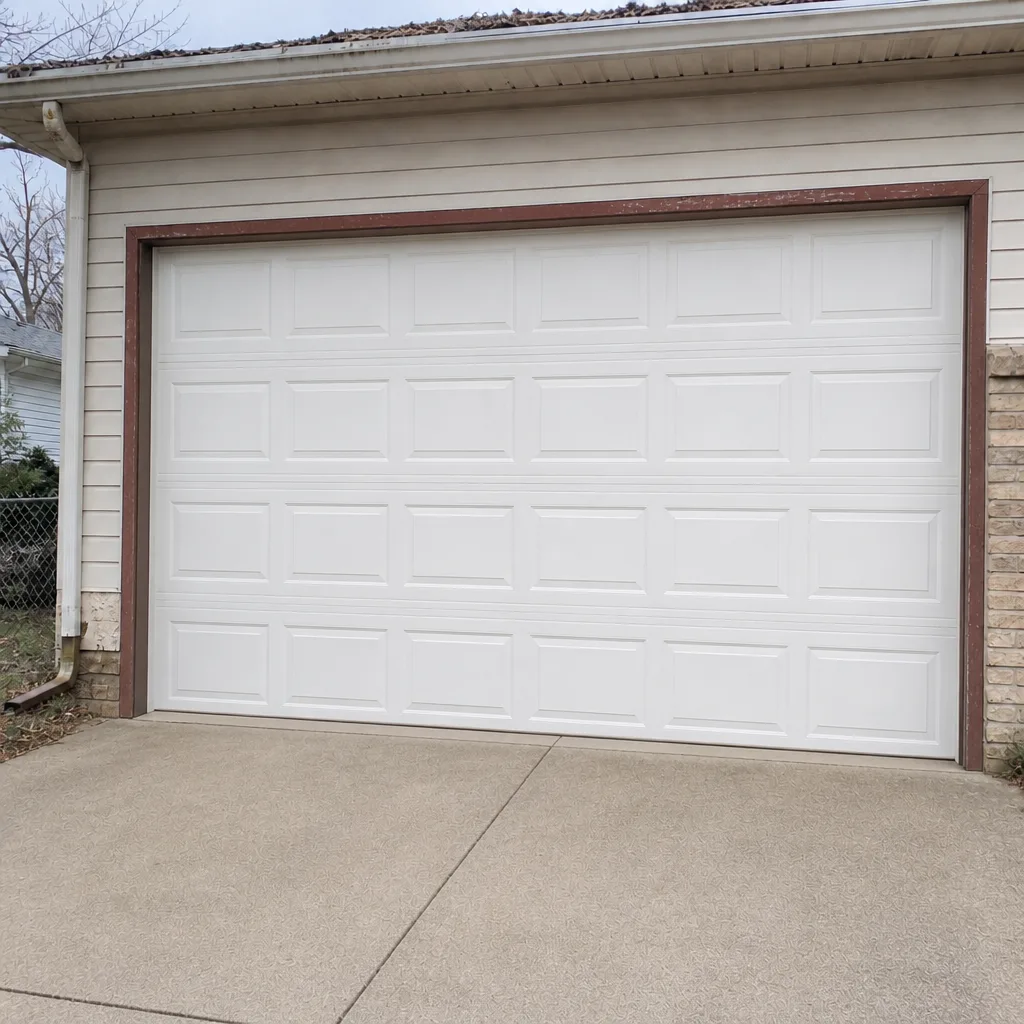 After
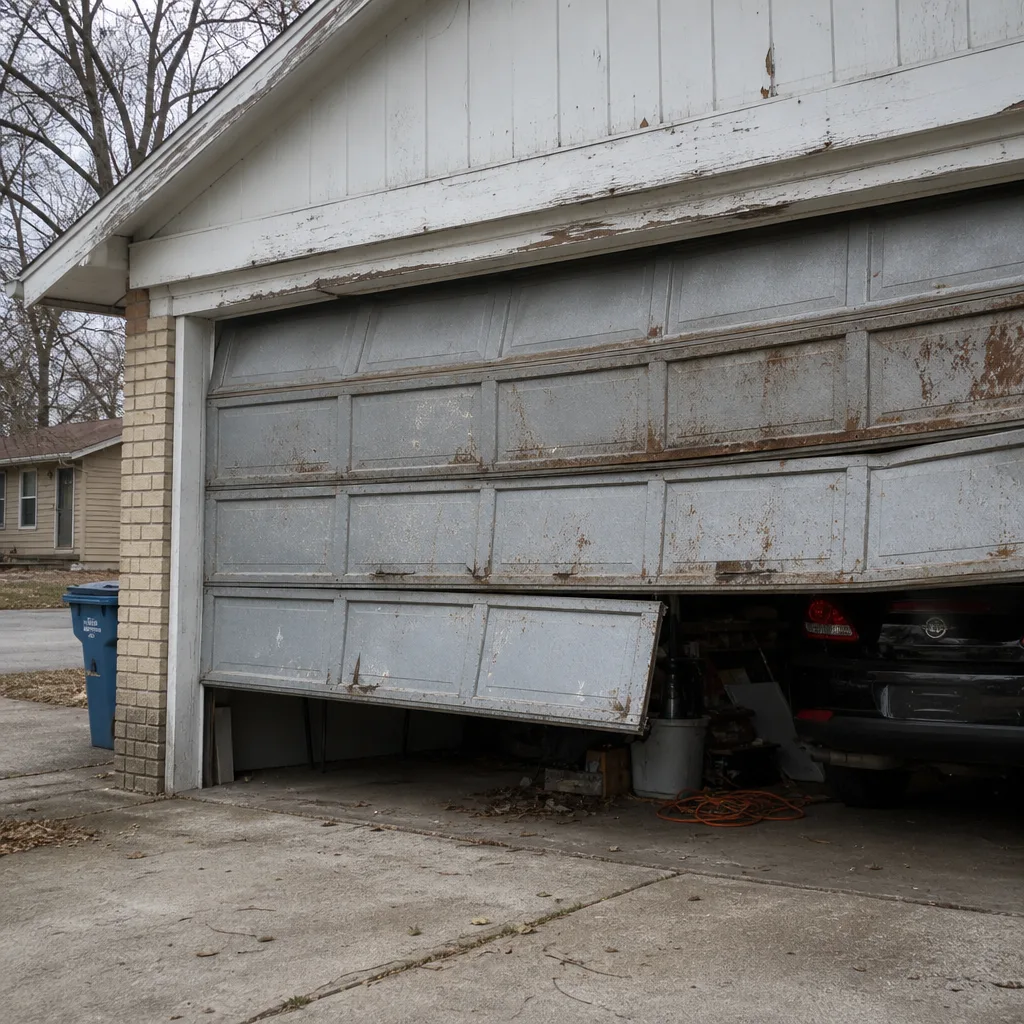 Before
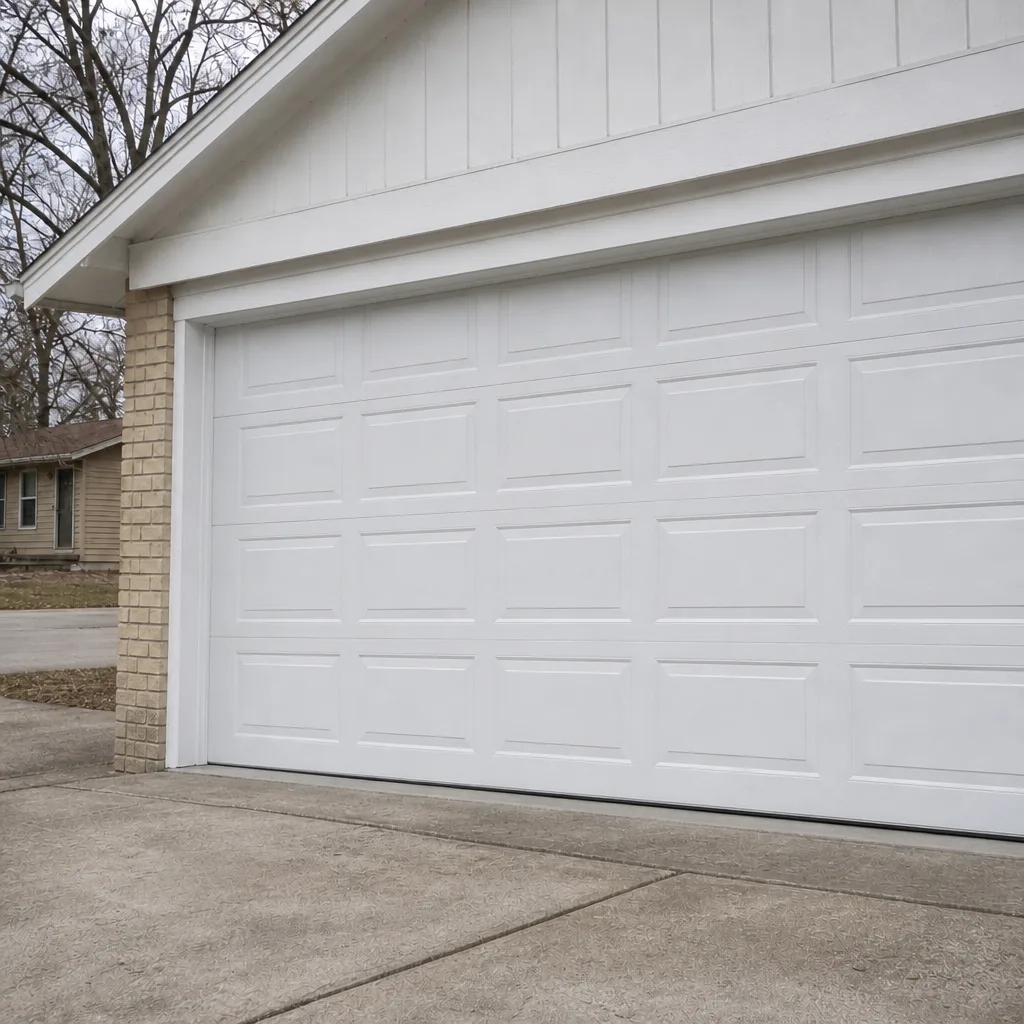 After
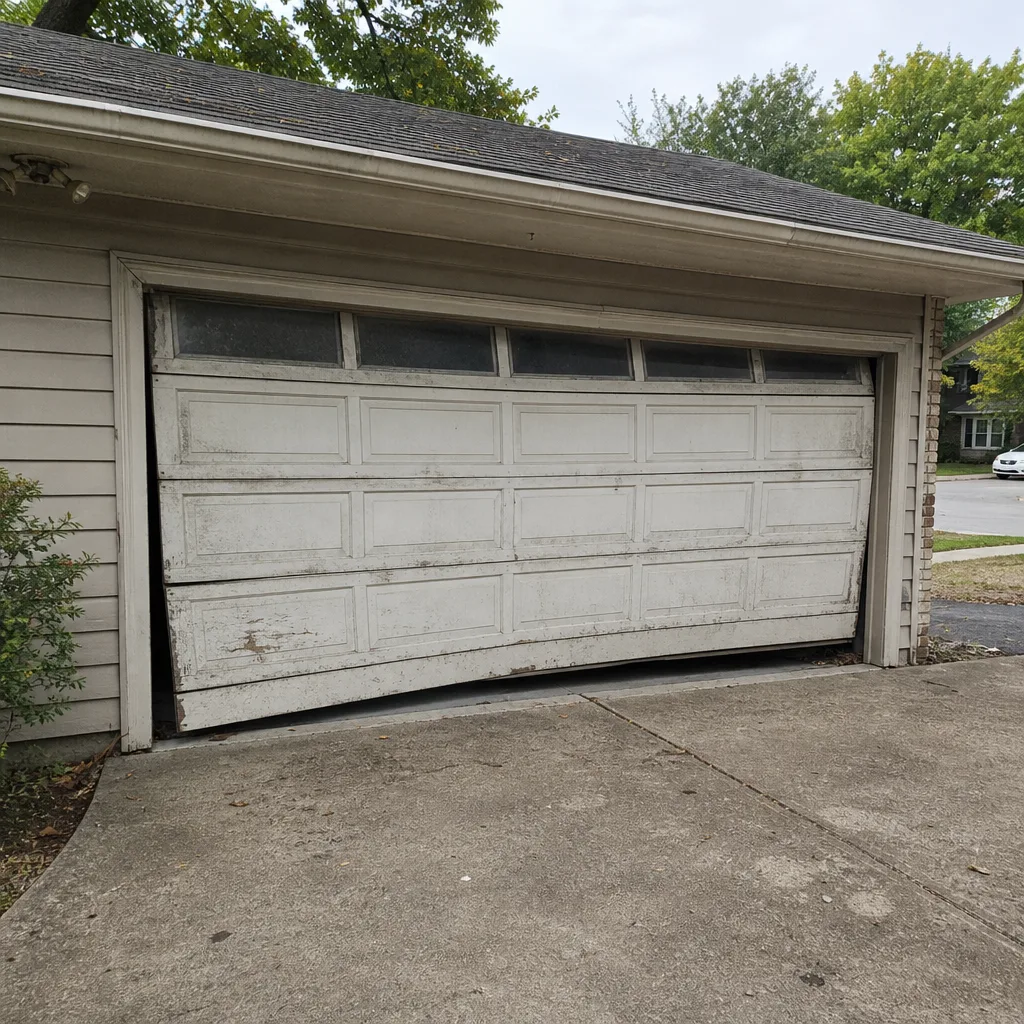 Before
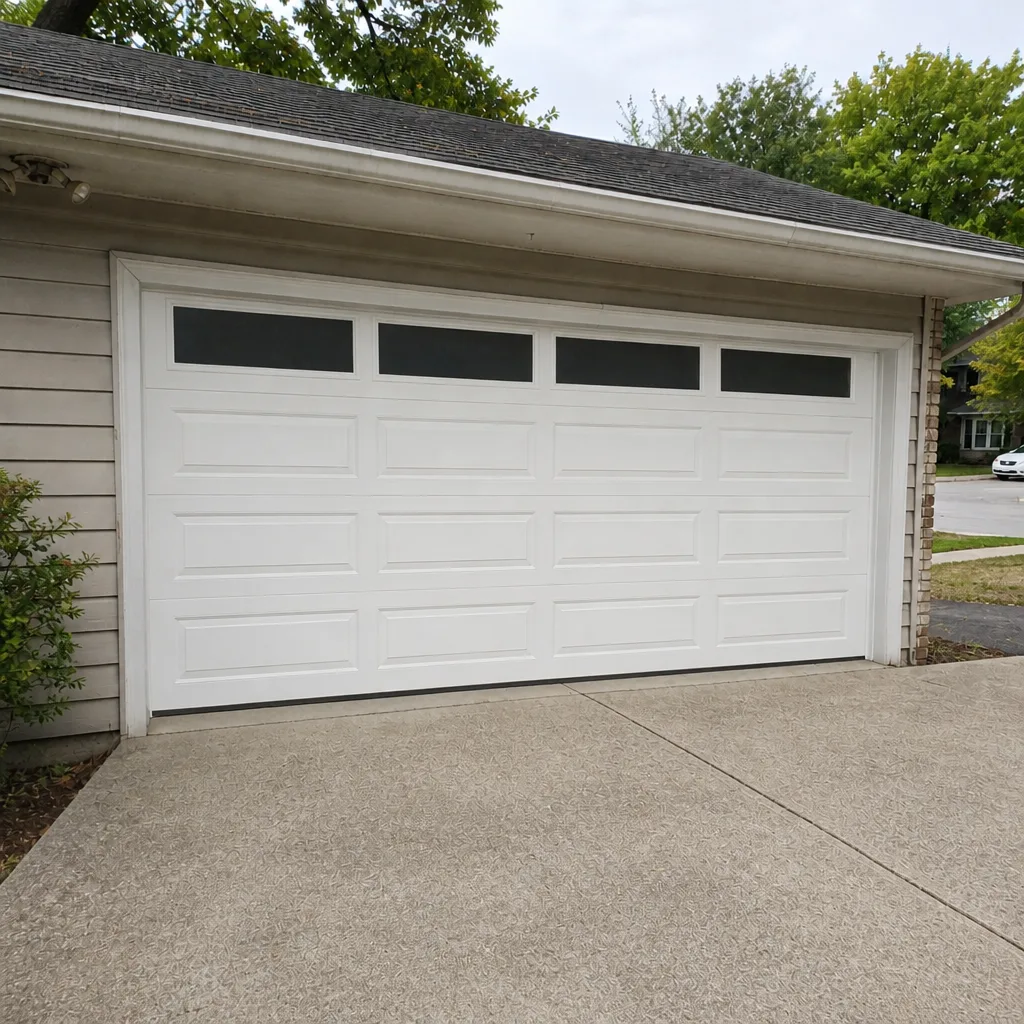 After
When to Call a Professional
Some brand questions can’t be answered from a spec sheet. Call a professional when you’re choosing between doors and need to know what actually fits your Bevo Mill garage, when you’re not sure whether your opener can handle a new door, or when a panel or spring needs replacing on a specific model and you want to know how long the part will take to arrive. Spring replacement is a job for a trained technician – springs are under heavy tension and can cause serious injury if handled without the right tools and knowledge. Call a professional any time you’re unsure about a brand repair, a warranty claim, or a whole-system match. Garage Door Repair Bevo Mill offers free estimates in Bevo Mill – call (844) 734-5652. Prices are quoted and agreed before any work begins.
Frequently Asked Questions
There’s no single best brand, but for Bevo Mill the strongest choice is one with local parts availability, a warranty that’s honored in practice, and sizing that fits your existing opening. In the St. Louis market, brands like LiftMaster, Chamberlain, Clopay, and Amarr tend to have the smoothest parts and service paths. Call (844) 734-5652 for a free estimate on a brand that fits your garage.
Ask about specific parts, not general availability. Ask which wear items and replacement panels for your exact model are common stock versus special order. If rollers, hinges, or opener parts are special orders, everything will be slower. Our technicians can tell you how quickly a part for your brand is likely to arrive in Bevo Mill. Call (844) 734-5652 for an exact quote – estimates are free.
It matters, but it’s not the whole story. Lower gauge means thicker steel and better dent resistance, but durability also depends on insulation layers, hardware quality, and finish. A thicker door is heavier, which puts more load on springs and the opener. Compare the whole door, not just one number. Call (844) 734-5652 for a free measure and a written quote.
LiftMaster and Chamberlain pair well with most major door brands, which is why they’re so common in Bevo Mill homes. Craftman and Genie openers also integrate cleanly with most doors when specified correctly. The main compatibility risk is door weight and safety-reversing setup, not the brand name itself. Call (844) 734-5652 and we’ll confirm whether your opener can handle a new door.
Not always without measuring. Older Bevo Mill garages can be off-standard in size, headroom, or side clearance, and some brands’ standard sizing fits cleanly while others need custom work. A free measure resolves this before you buy, and it narrows the field to brands that fit your opening without extra cost. Call (844) 734-5652 to schedule an estimate.
No – the written estimate sets the price, and the price is quoted and agreed before any work starts. We measure and assess first so the quote reflects the actual job, not a guess. If something unexpected turns up, we’ll discuss it with you before any additional work. Call (844) 734-5652 for a free estimate.
The Bottom Line
Choosing a garage door brand in Bevo Mill comes down to local parts availability, sizing that fits your older garage, and an opener that works with the door. Reputation and review scores are a starting point, not the decision. Steel gauge matters but doesn’t tell the whole durability story, and a warranty is only worth what a brand actually honors. Run the measure first, check how fast parts arrive locally, confirm opener compatibility, and get a written quote before anything is ordered. That sequence protects you from the mistakes most homeowners make, and it’s the same one our technicians use on every Bevo Mill job.
Garage Door Repair Bevo Mill handles springs, openers, panels, full installations, and parts for the eight most common brands, so one call covers it. Call (844) 734-5652 for a free estimate.
Written by the team at Garage Door Repair Bevo Mill.