Last updated November 23, 2026
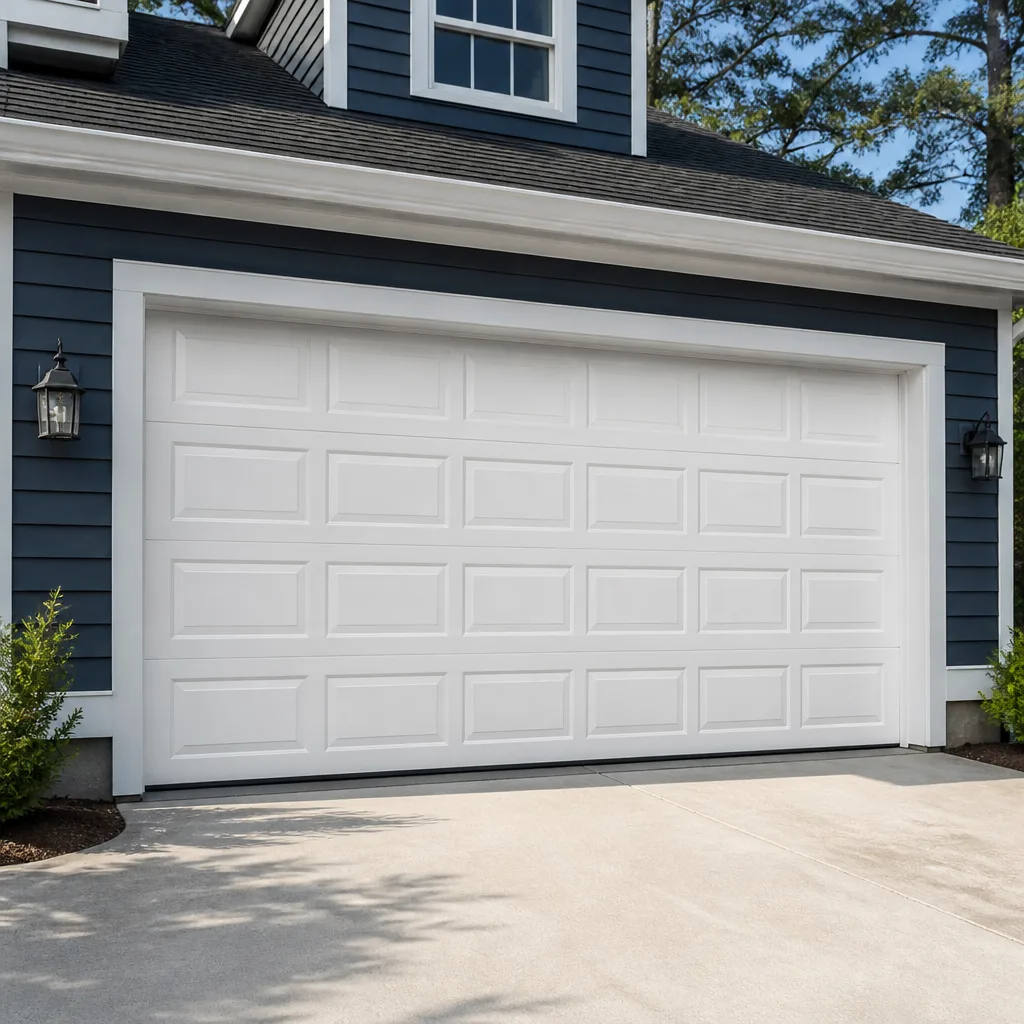 Raised-panel steel
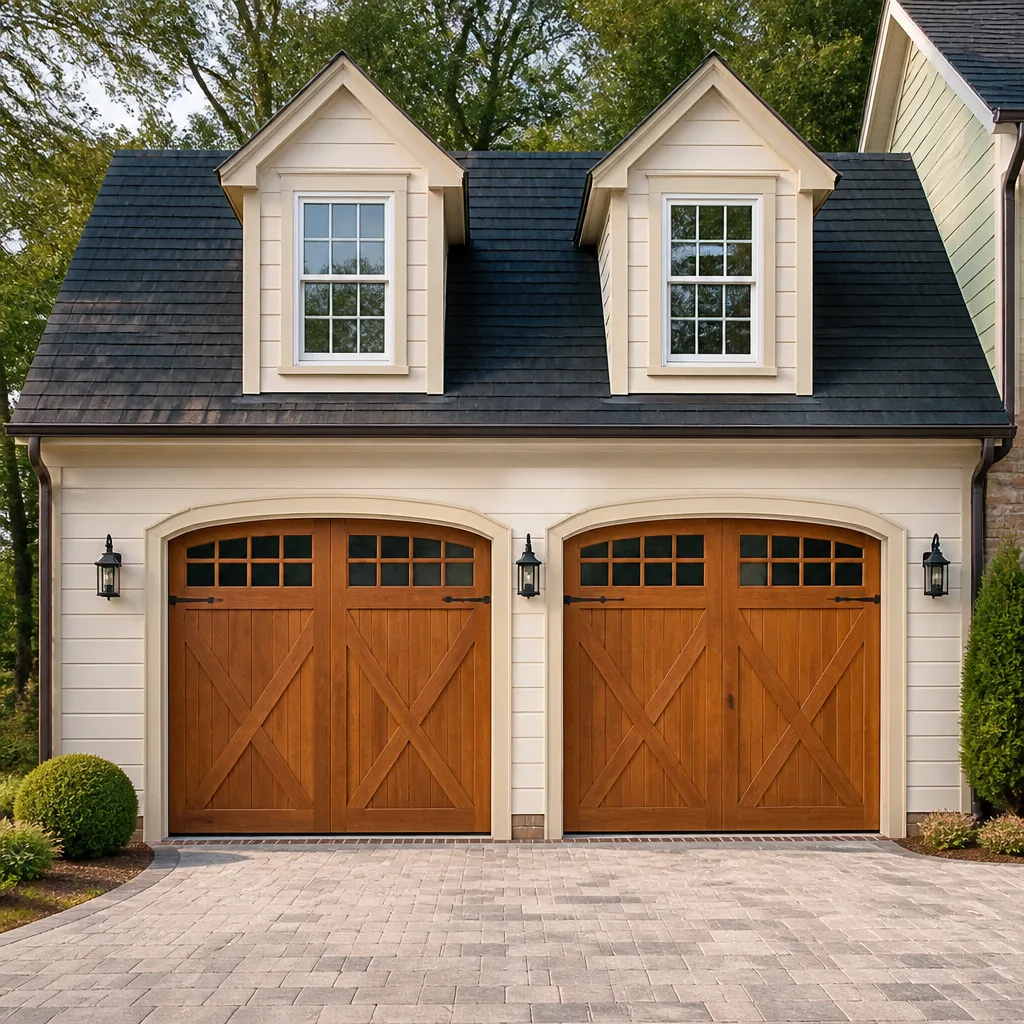 Carriage house
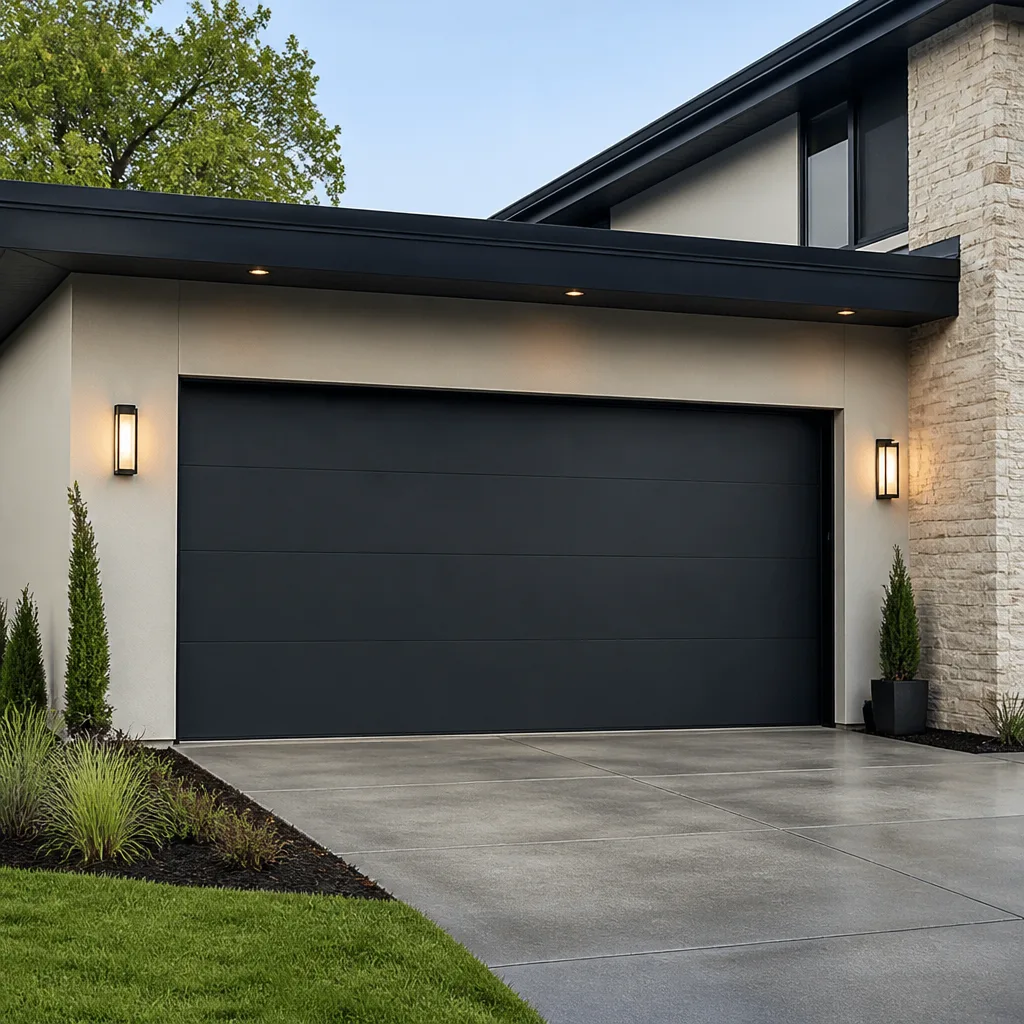 Modern flush
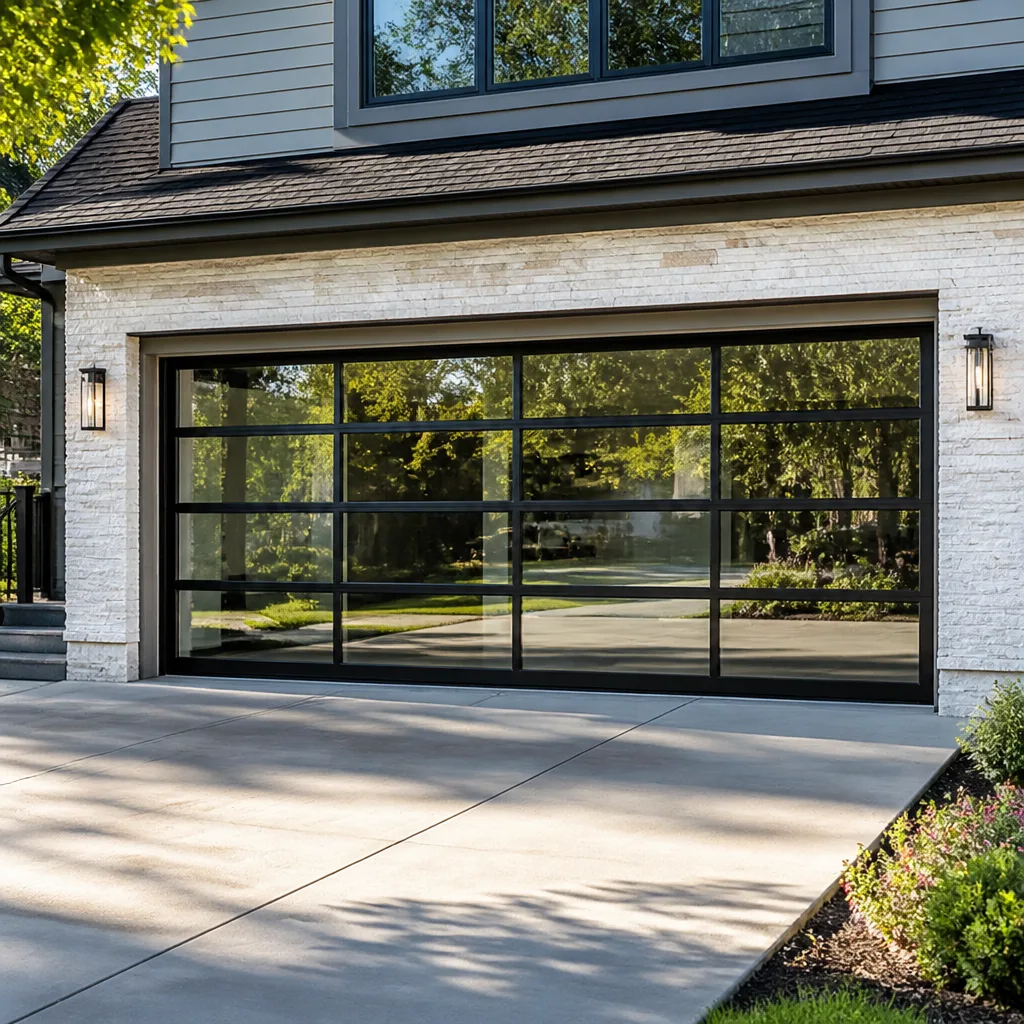 Full-view glass
 LiftMaster openers
 Chamberlain openers
Full 25-point door and opener safety check with every visit - springs, cables, rollers, tracks, and your LiftMaster or Chamberlain opener included
You get a price before we start. It does not change when the pro arrives.
Get your free estimateThe Complete Guide to Garage Doors in Bevo Mill
Most garage door advice you’ll read online assumes a wide, flat driveway, a deep garage, and a smooth, level opening. Bevo Mill doesn’t always work that way. A large share of the homes here are older brick bungalows with narrow, detached garages tucked behind the house or off an alley, and standard door sizing advice fits some of them and misses others badly. When the opening is narrow or the headroom is tight, the door type and the hardware that fits change completely. This guide covers what Bevo Mill homeowners actually face: how aging garage structures limit your options, how the local freeze-thaw cycle wears out springs and seals, which brands you can realistically get serviced on the south side, and how to read a quote so you’re not paying for a job bigger than your garage needs.
Quick Answer
In Bevo Mill, the right garage door for your home depends more on your garage’s physical dimensions, age, and headroom than on national door-style trends. Older bungalow-era garages frequently have narrow openings and low clearance, which narrows your door choices and raises the odds that a repair is more sensible than a replacement. Freeze-thaw winters here wear out bottom seals and torsion springs faster than mild-climate averages, so spring and seal work is common. Get an on-site measurement and a written estimate before you commit to anything.
Styles & brands we work with
- Raised-panel steel
- Carriage house
- Modern flush
- Full-view glass
- LiftMaster openers
- Chamberlain openers
Table of Contents
- How Bevo Mill’s Housing Stock Changes Door Sizing
- Headroom, Clearance, and Which Doors Actually Fit
- Why Freeze-Thaw Winters Hit Seals and Springs Harder
- Brand Availability and Service Coverage on the South Side
- Cosmetic Upgrade vs. Structural Replacement
- How to Read a Garage Door Quote
- A Seasonal Checklist for Bevo Mill Doors
- What Garage Door Work Typically Costs in Bevo Mill
How Bevo Mill’s Housing Stock Changes Door Sizing
The first thing that trips people up is an assumption baked into most garage door content: that a residential garage is a standard-width, standard-height box. In Bevo Mill, that assumption fails more often than it holds. The brick bungalows and older homes that define much of the neighborhood were built around single-car garages, and many of those garages are detached, sitting behind the house or facing an alley rather than the street.
What does that mean in practice?
- Narrow single openings are common. A door sized for today’s default single-car opening may simply not fit. The opening has to be measured, not estimated.
- Detached garages often have less electrical infrastructure. If the garage was never wired for an opener, or the wiring is older, the opener you choose and the work required to support it both change.
- Aging framing and uneven floors affect seals. A garage that has settled over decades won’t close tight against a fresh seal without adjustment, and a chipped or uneven threshold shows up as a draft and water intrusion.
- Height varies. Some garages were built for shorter vehicles and shorter doors. That rules out taller door configurations and sometimes limits opener mounting.
This is why blanket advice like “a standard single door is 8 or 9 feet wide” sends people toward doors that don’t physically fit their Bevo Mill garage. The right approach is to measure the actual rough opening, check the headroom above it, and choose door type from those numbers. If you’re already weighing replacement instead of repair, our garage door installation page walks through how that measurement-first process works.
Headroom, Clearance, and Which Doors Actually Fit
Headroom is the number most homeowners never think about until it becomes the reason a door won’t work. It’s the space from the top of the door opening up to the lowest obstruction overhead – typically a ceiling joist, a beam, or the track of a low garage ceiling. In older Bevo Mill garages, that number is frequently smaller than what modern sectional-door installers expect. Low headroom narrows your options and, in some cases, changes how the door travels.
Here’s the general breakdown of door types and what each needs:
- Standard sectional doors are the most common residential choice. They need enough headroom above the opening for the door to travel up and back along horizontal tracks under the ceiling. If the garage is short on ceiling height, a standard install may not clear.
- Low-headroom sectional setups use different track geometry and drum hardware to let the door operate in tighter vertical space. They exist precisely for garages like many in Bevo Mill, where the ceiling sits close to the opening.
- Roll-up doors coil straight up into a compact roll above the opening, so they need less horizontal track depth. They suit a low ceiling or a shallow garage where a sectional door would be cramped.
- Single-panel or tilt-up doors swing out and up as one piece, so they need clearance in front of the opening for the panel to swing. In a narrow alley-facing garage, that swing space may not be there.
The practical takeaway: before you pick a door style, get the three measurements that decide everything – rough opening width and height, and headroom above the opening. Everything else follows from those. Narrow and low-clearance garages are the norm here, not the exception, and a door chosen without those numbers is a door chosen by guesswork.
Why Freeze-Thaw Winters Hit Seals and Springs Harder
St. Louis winters swing above and below freezing repeatedly, and that cycle does specific damage to garage doors. When water gets into a crack and then freezes, it expands, and when it thaws it contracts. Repeat that cycle through a winter and the results show up in predictable places.
- Bottom seals and weatherstripping crack and harden. The rubber or vinyl seal along the bottom of the door flexes every time the door closes. Cold makes it brittle, and repeated freeze-thaw accelerates the cracking. A failed seal lets in cold air, water, and pests.
- Springs are under constant tension. Torsion springs bear the door’s weight, and cold temperatures make metal more brittle. The combination of constant load and temperature cycling is why springs are one of the most common failure points on any door, and winter is when failures cluster.
- Metal hardware contracts. Hinges, rollers, and tracks all move slightly with temperature. Loose or worn hardware gets looser in the cold, and a door that worked smoothly in October can rattle and bind in January.
- Uneven thresholds trap water. A settled garage floor or a chipped threshold holds moisture at the door line, which means more freeze-thaw right where the seal lives.
For Bevo Mill homeowners, that means the seasonal rhythm matters: bottom seals inspected before the first hard freeze, springs checked for wear going into winter, and hardware tightened so the cold months don’t find a weakness. Spring work specifically is not a do-it-yourself job. Torsion springs store enormous energy, and a spring under tension can injure you badly if handled wrong. That’s why spring repair is a dedicated part of our work and not a footnote – it’s the most dangerous and most common garage door failure, and it deserves a trained technician.
If you’re already hearing a loud snap or the door won’t lift, garage door repair is the call to make before the door drops. We serve the full range of failures – springs, cables, panels, and hardware – and our technicians have up to 14 years of experience with them.
Brand Availability and Service Coverage on the South Side
A garage door guide written for the whole country will tell you which brands are “popular.” What matters in Bevo Mill is which brands you can actually get serviced here, on the south side, without waiting on a part that has to ship from somewhere else. We work on the brand you already have, which matters more than any national ranking.
The systems most common in south St. Louis homes tend to fall into a handful of families:
- Openers: LiftMaster and Chamberlain are widespread on the south side, and Genie and Craftsman units show up on plenty of older garages. Parts and service for these are routine for us.
- Doors: Clopay, Amarr, Wayne Dalton, and Raynor all appear in residential installations around Bevo Mill. If you’ve got one of these doors and a panel, spring, or hardware issue, the brand doesn’t slow us down.
The reason brand fluency matters is practical. When a technician knows the specific opener line or door brand, diagnosis is faster, and the right part is more likely to be available without a long wait. Parts on hand, not on order, is the difference between a repair that’s done soon and one that stalls while a third party ships something. If your opener is the problem – a motor that won’t run, a remote that’s stopped responding, a safety sensor that’s out of alignment – our garage door opener repair service covers the major brands and gets you a straight answer on whether it’s a fix or a swap.
Cosmetic Upgrade vs. Structural Replacement
Not every garage door problem calls for a new door, and on aging Bevo Mill garages that distinction saves real money. The trick is knowing which problems are skin-deep and which go to the frame.
Likely cosmetic or repairable:
- Faded, chipped, or peeling finish on an otherwise solid door
- Worn hinges, rollers, or cables that can be replaced
- A single damaged panel on a sectional door, where matching panels or a compatible replacement are available
- Weatherstripping that needs replacing
- An opener that’s failing while the door itself is sound
Signs a replacement may be the honest answer:
- The door’s structural frame or stiles are rotted, cracked, or bowed
- The opening itself has racked or settled, so a correctly sized door no longer closes evenly
- Multiple panels are damaged and the door brand is no longer supported
- Headroom or clearance issues make the current door unsafe to operate
- Repeated repairs on the same failing hardware add up to more than a replacement would
The judgment call is where upsizing happens. A cosmetic concern shouldn’t turn into a full structural replacement quote, and a racked opening shouldn’t be papered over with a new door that will fail the same way. If your garage framing is suspect, the repair conversation has to come first. Tell us the problem; we’ll name the fix, and we won’t sell a new door where a panel or a seal solves it. Where the structure is sound and a replacement is the right call, we can handle the full job from measure to install, so you’re not handed off to a different contractor mid-project.
How to Read a Garage Door Quote
A garage door quote is a written itemization of what’s being done, what parts are included, and what the price covers. Reading one correctly means checking the line items, not just the total. In our experience, the clearest signal of a fair quote is that you can match each line to a real problem on your door.
Here’s how to read one, step by step:
- Match each line to a symptom. If you called about a bottom seal and the quote includes new torsion springs, ask why. There may be a good reason – springs can be visibly worn – but it should be explained, not assumed.
- Check whether labor is separate or included. A quote that shows parts only will grow once labor is added. Ask for the out-the-door number.
- Look for hardware that’s needed vs. hardware that’s optional. Rollers, hinges, and bearings wear, but “while we’re in there” upgrades should be optional, not bundled by default.
- Confirm the door brand and model if a door is being quoted. A quote should name what’s being installed so you’re not guessing.
- Ask what happens if the opening measures differently than expected. On an older Bevo Mill garage, a measurement surprise is common. A fair quote accounts for that possibility up front rather than after the fact.
- Get the price in writing before any work starts. The written quote is the price. Anything that changes it should be a conversation, not a surprise on the invoice.
Watch for a quote that upsizes the job without a corresponding symptom – a full door replacement proposed for a failed spring, or a new opener bundled into a seal job. That’s the pattern to push back on. A specialist quotes the repair the door actually needs.
A Seasonal Checklist for Bevo Mill Doors
A little seasonal attention keeps a Bevo Mill garage door running through the temperature swings this area gets. Here’s what to check, roughly in order of how much trouble it saves.
- Before winter: Inspect the bottom seal for cracks and hardening. Check the weatherstripping around the frame. Look at the door’s balance by disconnecting the opener (if it’s safe to do so) and lifting the door by hand – it should feel light and stay put where you leave it.
- Every few months: Wipe down and lubricate the rollers, hinges, and tracks with a garage-door-appropriate lubricant. Don’t grease the tracks themselves – clean them, then lubricate the moving parts.
- After storms: Check the tracks for bends from wind-blown debris and confirm the door still closes evenly against the seal.
- Once a year: Test the opener’s safety reverse. Place a solid object in the door’s path and confirm the door reverses on contact. Check the photo-eye sensors are aligned and clear.
Springs and cables are the exception to any checklist. Never try to adjust, wind, or replace a torsion spring or cable yourself. Those parts hold dangerous energy, and a mistake can cause serious injury. That’s a trained-professional job. For general issues that aren’t spring- or cable-related, our Garage Door Repair Bevo Mill page covers what we handle and how to get an estimate.
What Garage Door Work Typically Costs in Bevo Mill
Prices below are typical, estimated ranges for the Bevo Mill market, and they’re rough – the written estimate sets the final price. Actual cost depends on your door’s size, brand, and condition, and on what’s actually wrong. On any repair, the price is quoted and agreed before work starts.
| Job | Typical estimated range | Notes |
|---|---|---|
| Torsion spring replacement (one spring) | $180 – $340 | Matched pairs are usually replaced together, so a pair runs about twice that |
| Bottom seal / weatherstripping replacement | $120 – $250 | Higher end on wider doors or when the threshold is uneven |
| Opener repair (common failures) | $120 – $300 | Replacement of a failed opener is typically more |
| Single panel replacement | $200 – $500 | Depends on panel availability for your door brand |
| Hardware tune-up (rollers, hinges, adjustment) | $90 – $200 | Often combined with a seal or spring job |
Two things drive cost more than anything: how old the door is and whether the garage opening measures to a standard size. On an older, narrow Bevo Mill garage, a non-standard measurement can mean a custom door or non-standard hardware, and that’s where a quote moves. The honest way to handle that is to measure before quoting. That’s exactly what a free measure gives you.
If you’re trying to decide between repair and replacement, our garage door repair page lays out what’s fixable and what isn’t, and our team at garage door installation can walk a replacement through measurement and install if that’s the right call. Both start with a free estimate, so call (844) 734-5652 and we’ll give you the number in writing.
Common Mistakes to Avoid
- Ordering a standard door for a non-standard opening. Bevo Mill’s older garages often have narrow or low openings. A door bought off a “standard size” assumption may not fit, and the return is a problem.
- Trying to replace a torsion spring yourself. This is the single most dangerous garage door repair there is. A spring under tension can cause serious injury. Leave it to a trained technician.
- Ignoring a failing bottom seal through winter. A cracked seal lets water freeze at the door line, and that freeze-thaw accelerates damage right where your door meets the floor.
- Replacing the whole door for a cosmetic problem. Faded finish or a single damaged panel is often fixable. Get a specific diagnosis before you accept a full-replacement quote.
- Accepting a verbal “about” number. The written quote is the price. Get it itemized, and make sure the final invoice can only differ if you’re told why first.
- Choosing a brand the local market can’t service. A door or opener nobody on the south side handles means waiting on parts. We work on the brand you already have, which is the practical choice.
- Skipping the manual balance check. A door that won’t stay where you lift it has a spring or balance problem, and ignoring that wears the opener and eventually the door.
See the difference
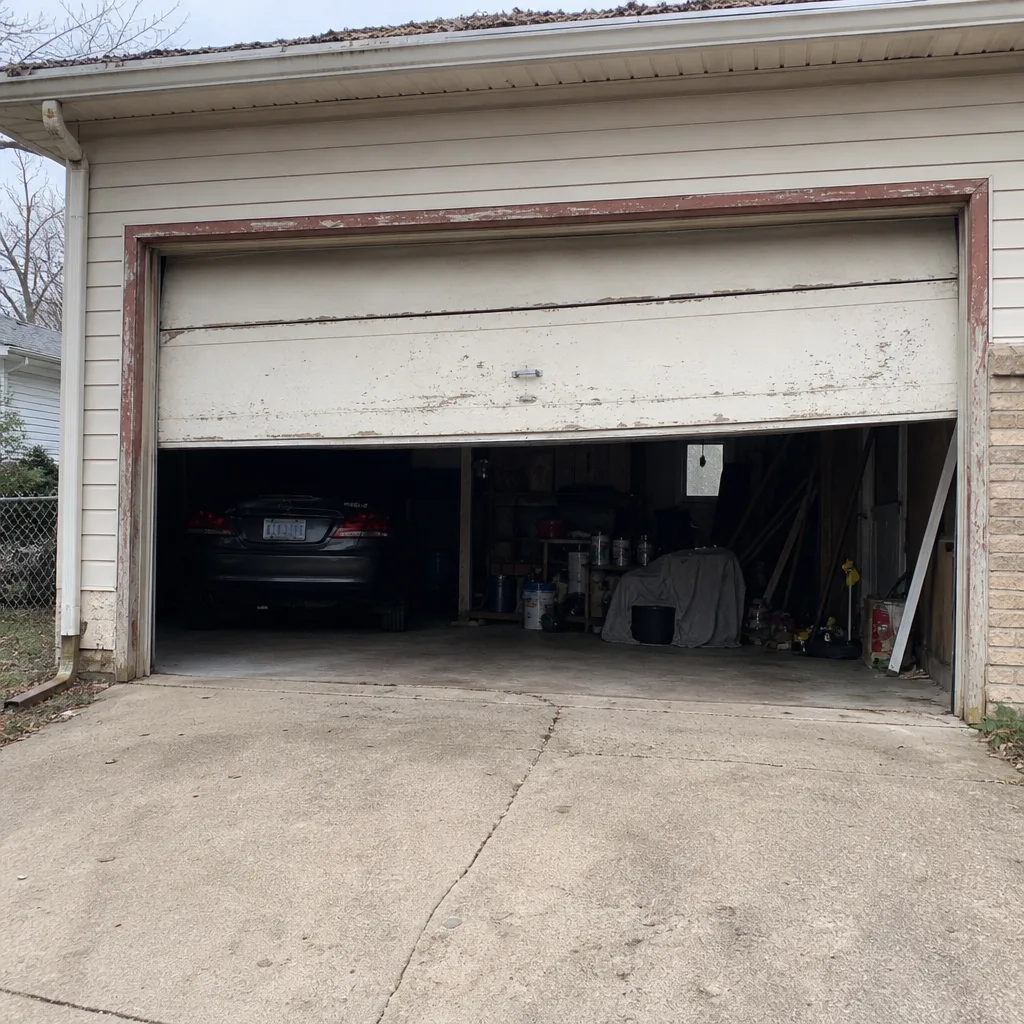 Before
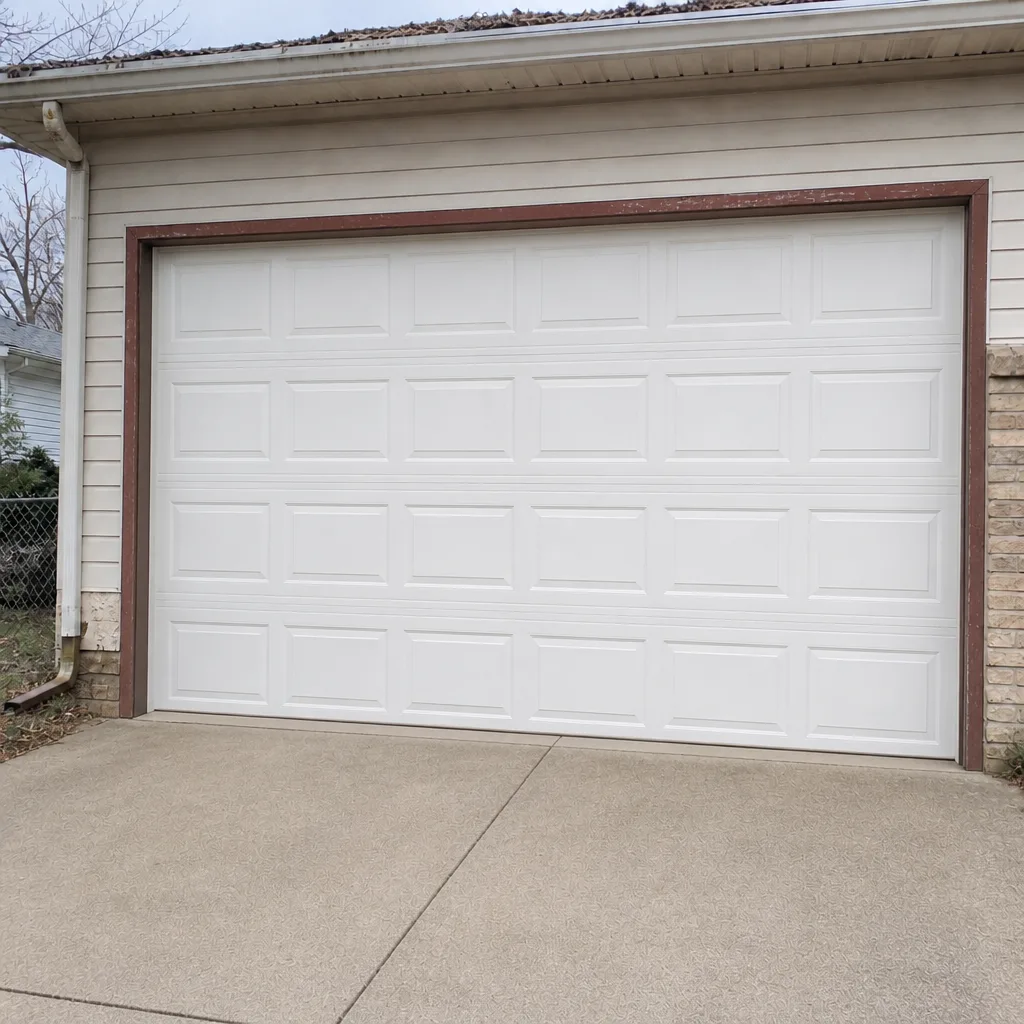 After
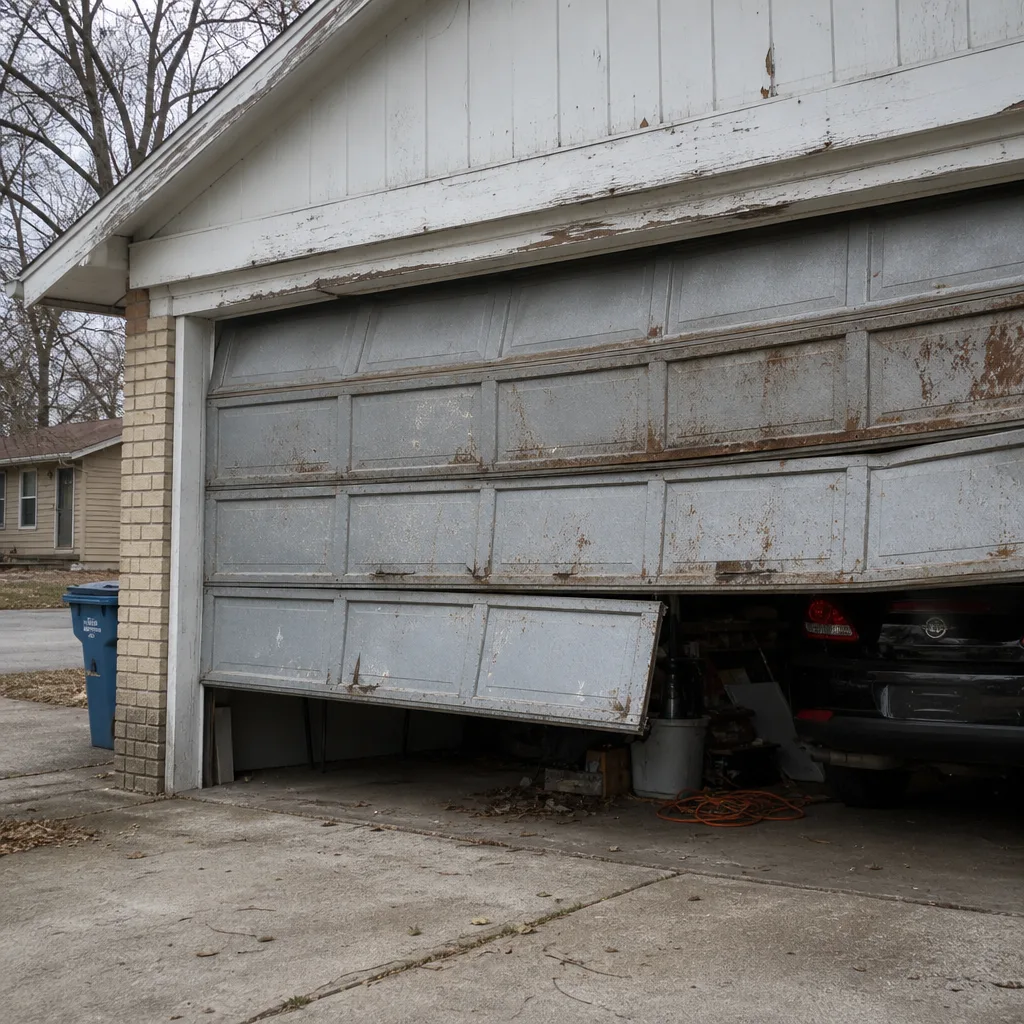 Before
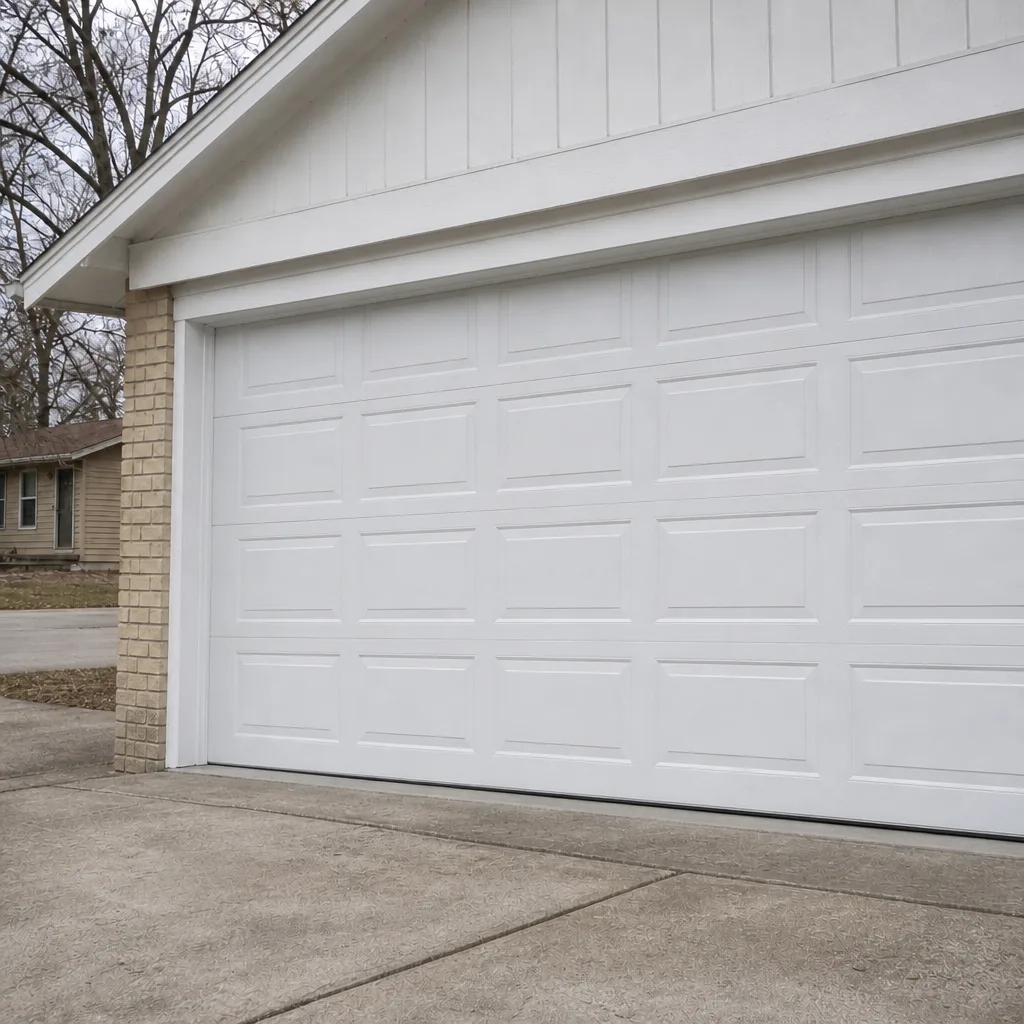 After
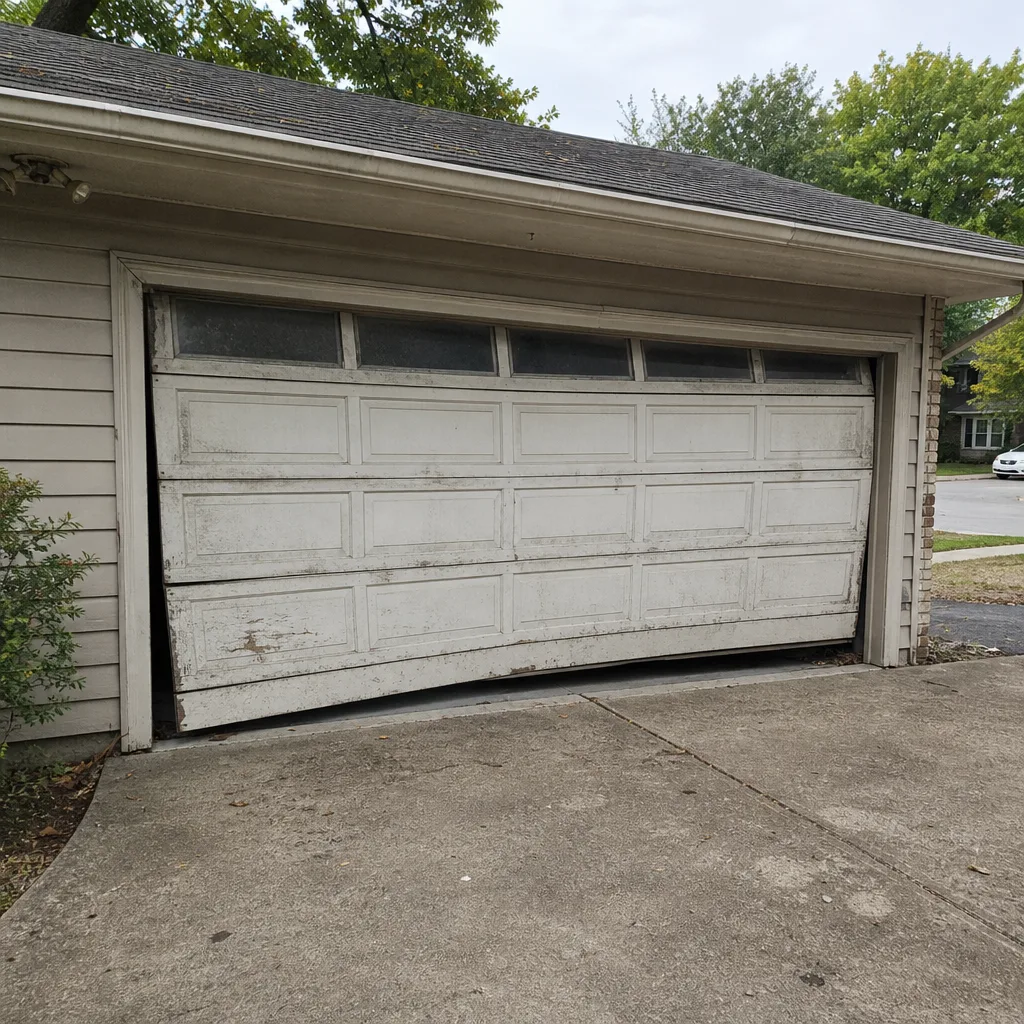 Before
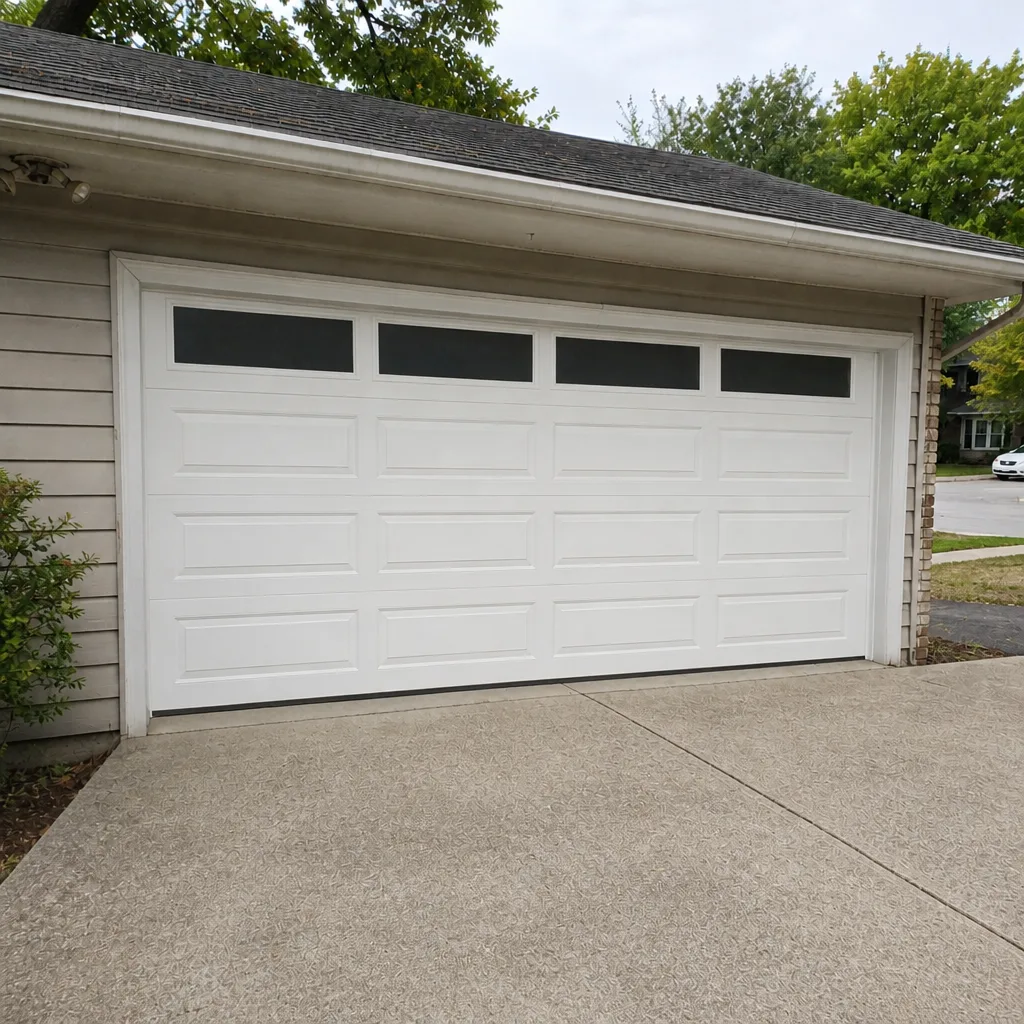 After
When to Call a Professional
Call a professional the moment the door won’t open smoothly, the opener runs but the door doesn’t move, you hear a loud snap from the springs, the door comes down unevenly, or a panel is cracked or off its track. Anything involving springs or cables should go straight to a trained technician – the injury risk is real, and this isn’t a place to save a few dollars. For an aging Bevo Mill garage, it’s also worth a call before a full replacement when the structure is suspect, so a specialist can tell you what’s cosmetic and what’s structural. Garage Door Repair Bevo Mill offers free estimates in Bevo Mill – call (844) 734-5652. Our technicians have up to 14 years of experience and work on the brands you own, with parts supplied directly so common repairs aren’t held up waiting on a third party.
Frequently Asked Questions
That depends on the local building department, so ask them directly before work begins. Many cities require a permit for structural changes but not for like-for-like door replacements, and the rules can vary with the scope. We can tell you what a job typically involves, but the permit question belongs to the city’s building department – confirm with them first, then we’ll build the estimate around it.
You know by measuring the rough opening width and height plus the headroom above the opening – not by assuming a standard size. Older bungalow-era garages here often run narrower and lower than modern homes, so the door type has to match the actual measurements. A free on-site measure answers this before you buy anything. Call (844) 734-5652 to set one up.
Often yes for common repairs like springs, seals, rollers, and opener issues – dispatch runs from 7am to 7pm. Spring pair and non-standard hardware may need a part, and our parts supply is direct, so the wait is usually short rather than relying on a third party. Call (844) 734-5652 and we’ll tell you straight what’s possible for your door.
No – the written estimate you agree to before work starts is the price. The one thing that can change it is a measurement surprise, common on older Bevo Mill garages, and that’s exactly why we measure first rather than quoting blind. If a job truly needs more, you’ll hear it from us before any extra work, never on the invoice.
We service the eight most common residential brands, including Craftsman, Raynor, LiftMaster, and Chamberlain, plus the doors and openers from Clopay, Amarr, Wayne Dalton, and Genie. That coverage means your brand is unlikely to slow us down. Call (844) 734-5652 and tell us what you’ve got.
It depends on what’s actually wrong – cosmetics like finish or a single panel are usually repairable, while racked framing or multiple failed panels point to replacement. The honest answer comes from an on-site look, not from a phone guess. Free estimates in Bevo Mill: call (844) 734-5652, and we’ll name the fix rather than upsizing it.
The Bottom Line
Garage doors in Bevo Mill don’t follow generic suburban advice. The neighborhood’s older brick bungalows and narrow, detached garages mean door sizing has to come from real measurements, and the local freeze-thaw cycle makes bottom seals and torsion springs the parts that fail first. Brand matters less than whether the brand you own can be serviced here – and that’s where a specialist’s parts supply and brand fluency pay off. Repair versus replacement is a matter of what’s actually failing, not the door’s age alone. Get a free measure, a written estimate, and a straight answer on the fix. Call (844) 734-5652 for a free estimate and we’ll walk through your garage’s specific dimensions and needs. Garage doors only – it’s all we do.
Written by the team at Garage Door Repair Bevo Mill.