Last updated November 23, 2026
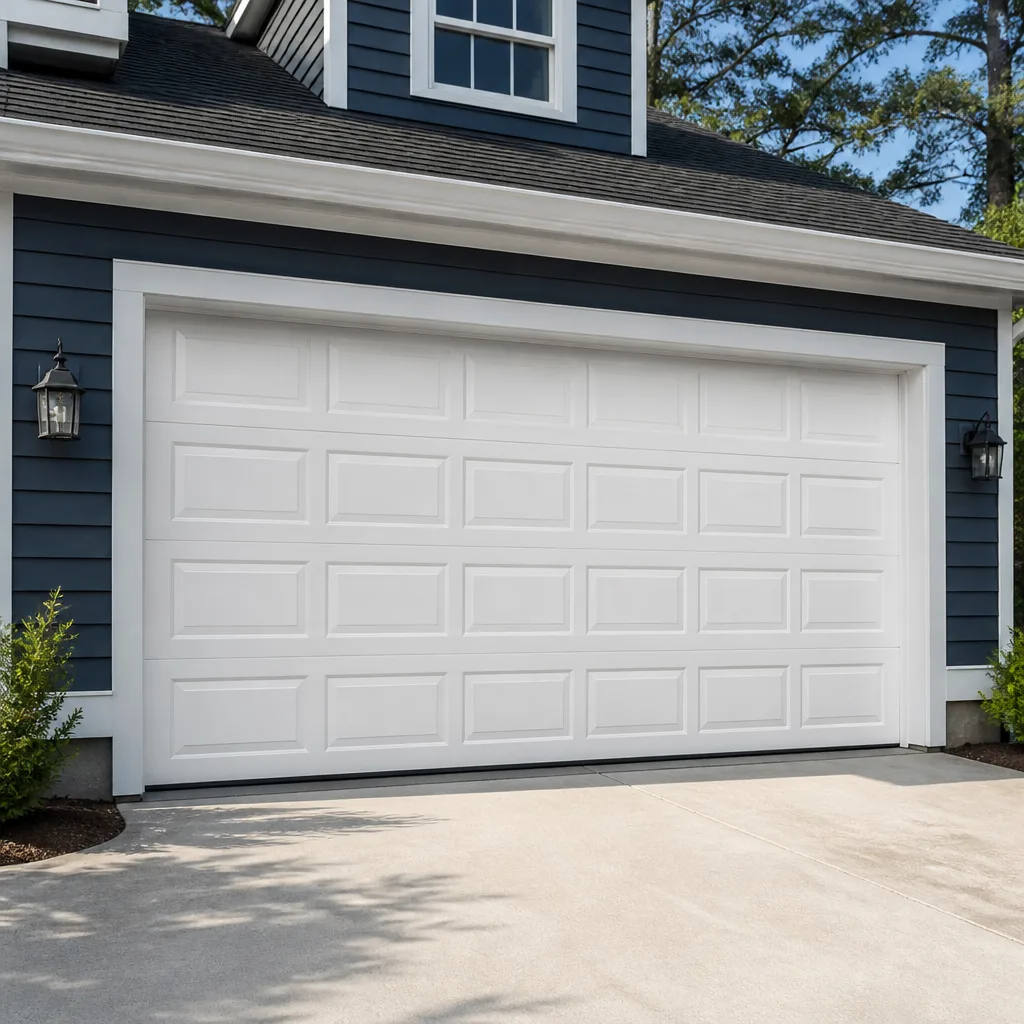 Raised-panel steel
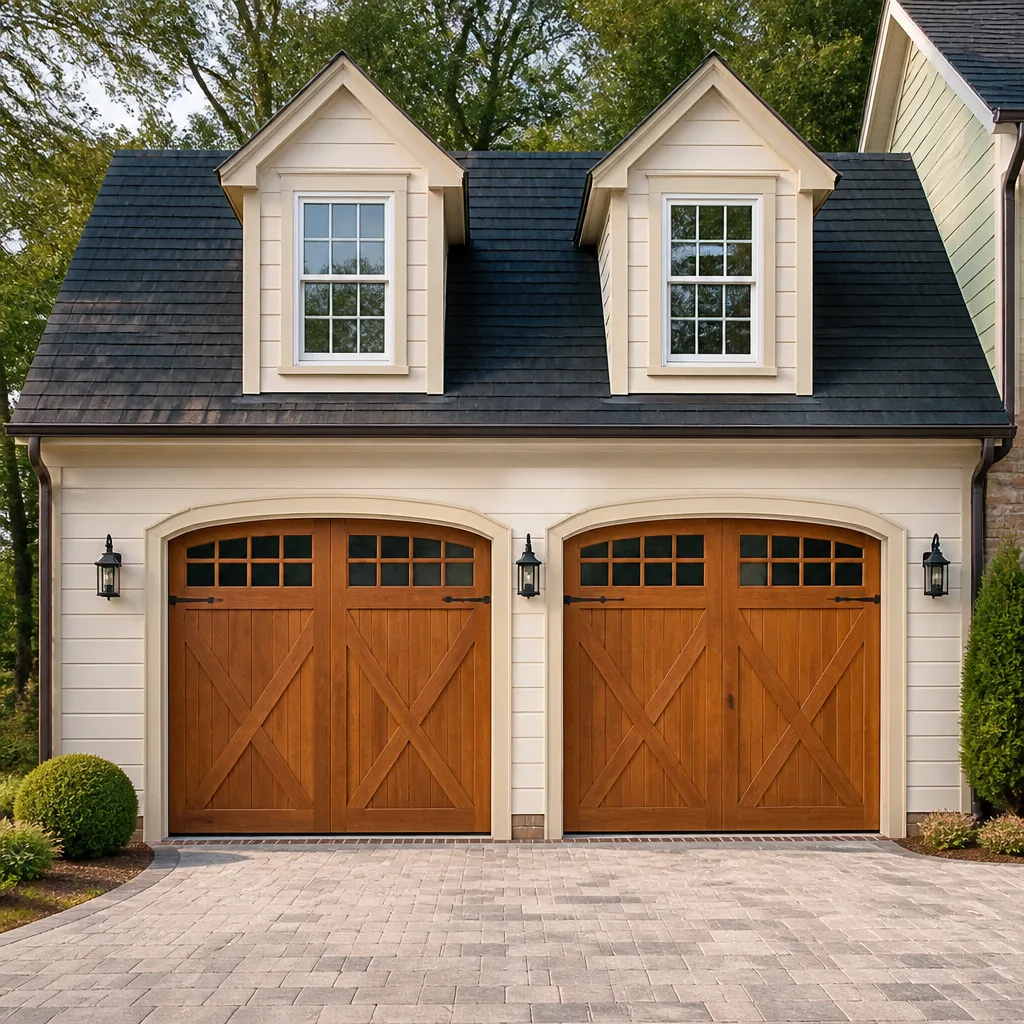 Carriage house
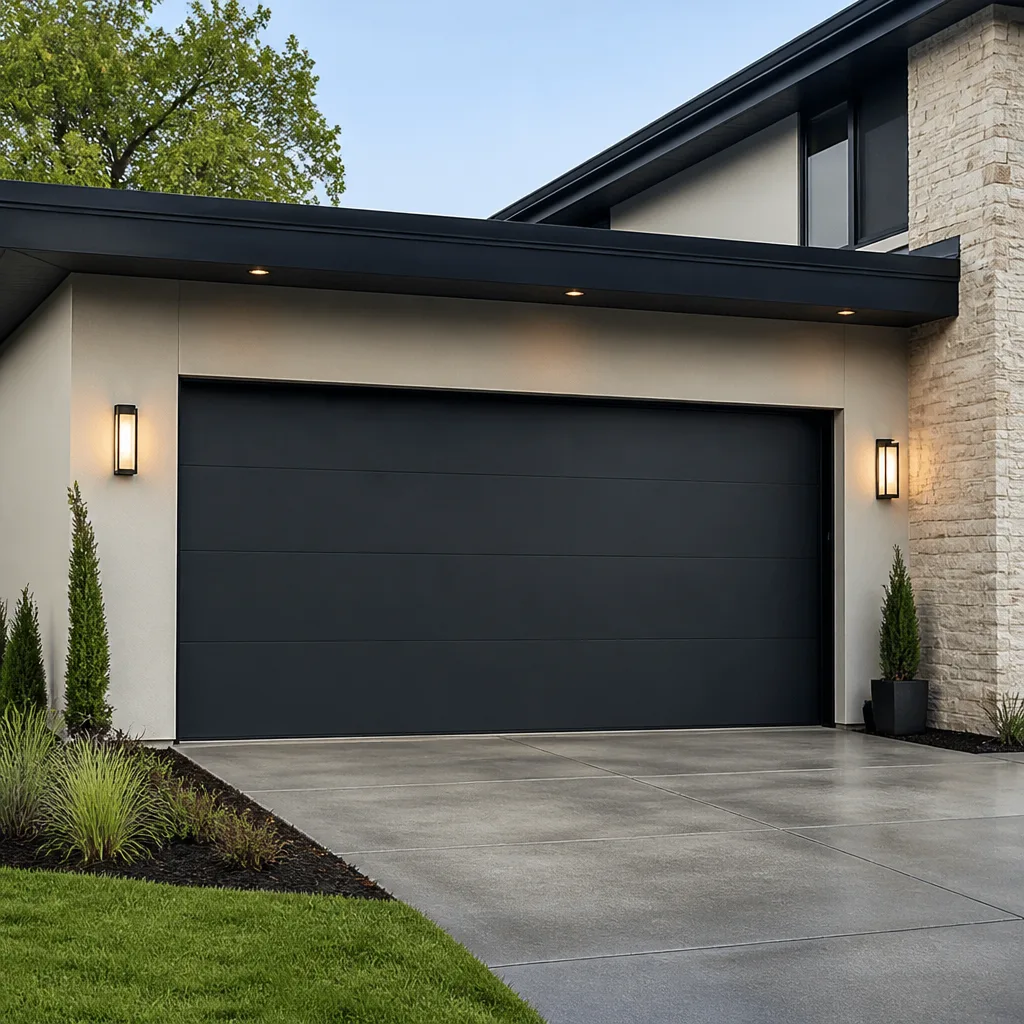 Modern flush
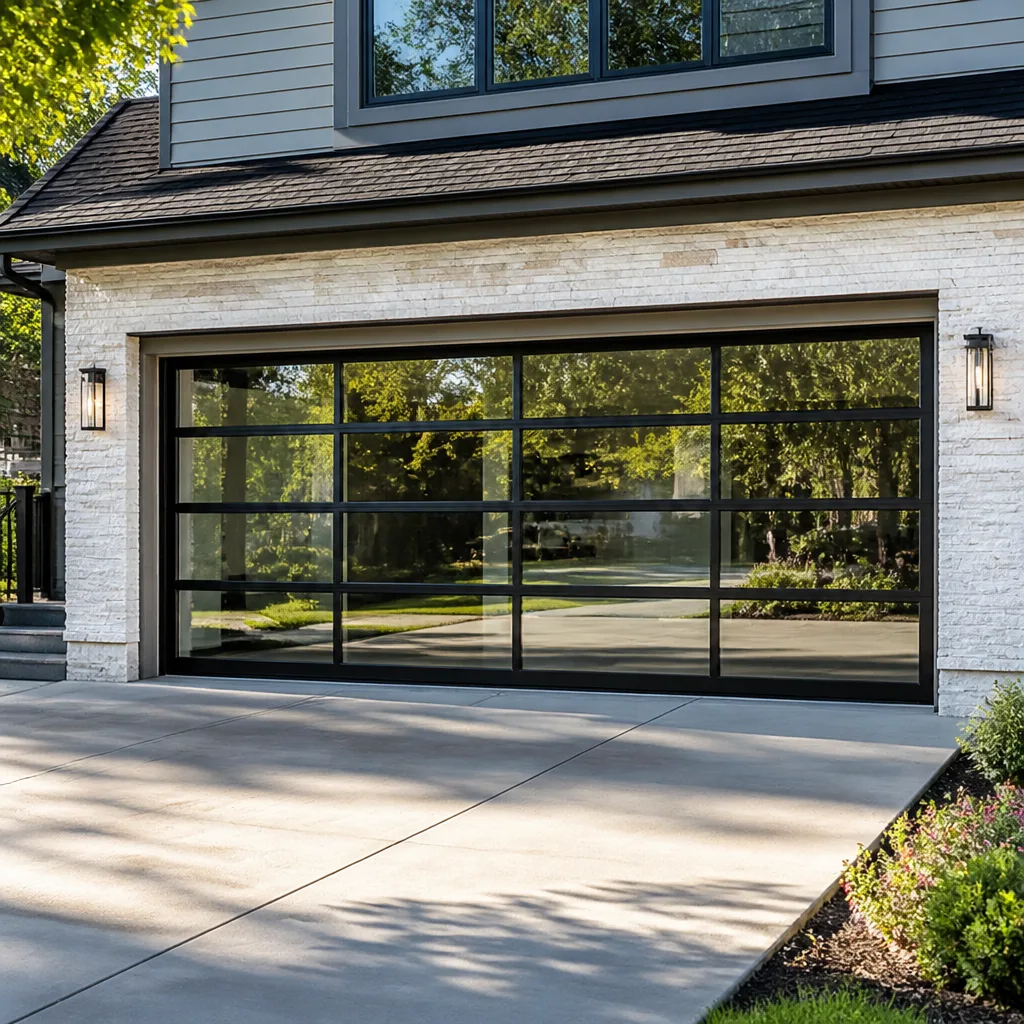 Full-view glass
 LiftMaster openers
 Chamberlain openers
Full 25-point door and opener safety check with every visit - springs, cables, rollers, tracks, and your LiftMaster or Chamberlain opener included
You get a price before we start. It does not change when the pro arrives.
Get your free estimateGarage Door Emergency Preparedness Guide for Bevo Mill Homes
Most people treat the garage door like a wall. It goes up, it goes down, and nobody thinks about it until the night it stops halfway and the car is stuck behind it. Here’s the counterintuitive part: the emergency itself is rarely the dangerous moment. The dangerous moment is the ten minutes after, when a homeowner forces a door that won’t budge, yanks a release they’ve never used, or leaves the house unsecured overnight because they don’t know how the lock works. This guide walks Bevo Mill homeowners through the prep work that turns a garage failure from a trapped-car crisis into a manageable ten-minute problem. We’ll cover manual release operation, storm securing, post-storm inspection, and the exact details to have ready before you call.
Quick Answer
Garage door emergency preparedness in Bevo Mill comes down to three things: knowing where your manual release cord is and how it works on your specific opener, knowing how to secure the door from the inside when the power is out, and knowing what to check before you try to run a door that took storm damage. A homeowner who has located the release cord, tested it once, and written down their opener model number is ready for almost any failure. A homeowner who hasn’t is one outage away from a trapped car.
Styles & brands we work with
- Raised-panel steel
- Carriage house
- Modern flush
- Full-view glass
- LiftMaster openers
- Chamberlain openers
Table of Contents
- How does the manual release work on common openers?
- What do you do if the door won’t stay up after releasing it?
- How do you secure a garage door from inside during severe weather?
- What should you check after a storm before operating the door?
- How do you temporarily secure a door that failed open or halfway?
- What information should you have ready before calling for repair?
- What happens to your garage door during a power outage?
- The Bevo Mill garage door preparedness checklist
How does the manual release work on common openers?
Every residential garage door opener has a manual release, and on almost every model it’s the same basic mechanism: a cord hanging from the trolley that disconnects the door from the opener so you can lift it by hand. The cord usually has a red or T-shaped handle. Where it lives varies by brand and by how your door was installed. On a LiftMaster or Chamberlain unit, the release cord typically hangs from the trolley near the door’s center. On a Genie or Craftsman opener, the trolley geometry is a little different, but the cord still hangs down. If your door was installed with the opener mounted off-center or the door is a low-headroom design, the release might sit further to one side – walk into your garage this week and find yours. Don’t wait for the outage to go looking.
Here’s the sequence for using it safely:
- Unplug the opener or confirm the power is out. You don’t want the motor engaging while the door is disconnected.
- Pull the release cord straight down and toward the door. You’ll hear or feel a click when the trolley disengages. On some openers you may need to give the cord a firm tug.
- Lift the door slowly by hand, using the bottom section or the lift handle. The door should feel manageable – a properly balanced door lifts easily. If it feels much heavier than you expect, stop.
- To re-engage the opener, close the door fully and pull the release cord again (or run the opener briefly) so the trolley catches the door arm. Cycle the door once to confirm it’s back on the opener before you trust it.
One important warning: the manual release disconnects the opener from the door, but it does nothing about the springs. If a spring has broken, the door is being held up only by the opener’s force or by nothing at all, and lifting it by hand can bring it down hard. If the door feels like it weighs far more than it should, or you hear a sharp bang from the torsion bar area, that’s a spring problem, not a release problem. Don’t force it. Call a technician.
What do you do if the door won’t stay up after releasing it?
If you’ve disconnected the opener and the door drops back down or feels dangerously heavy, the problem is almost always the springs – specifically, the torsion or extension springs that counterbalance the door’s weight. A healthy garage door should feel close to weightless when you lift it by hand, because the springs are doing most of the work. A door that feels like dead weight means the springs aren’t functioning. That’s a repair issue, and it’s the one garage door failure you should never diagnose by feel alone. High-tension springs store serious energy; spring repair is the job that sends more DIY homeowners to the emergency room than any other part of the door. Treat a heavy or unmoving door as a call-us situation, not a tinker-with-it situation.
There are other reasons a door won’t stay up, and not all of them are springs:
- A broken spring – the most common cause of a “heavy door” in Bevo Mill homes. A visible gap in a torsion spring or a visibly stretched extension spring tells you the answer without lifting a finger.
- A bent track – if the door binds on one side as it rises, the rollers may be catching on damaged track. Don’t force it past the bind.
- A misaligned or broken hinge or roller – usually a door that pops or grinds rather than drops.
- A disconnected opener arm – if the door lifted fine before release but now feels wrong, the arm connecting the opener to the door may have come loose.
If you can’t tell which of these you’re dealing with, that’s fine – that’s what we’re here for. The important thing is not to keep lifting a door you don’t understand. Tell us what it feels like and we can usually narrow the diagnosis before we even arrive. Spring repair is one of our core services, not an afterthought, and we work on Clopay, Amarr, Wayne Dalton, and Craftsman doors routinely. Call (844) 734-5652 and we’ll get the right fix scheduled.
How do you secure a garage door from inside during severe weather?
When a storm is rolling through Bevo Mill and the power goes out, your garage door becomes a weak point. It’s a large, mostly hollow panel held by springs and tracks, and from the inside it can be surprisingly easy to force. Securing it during a severe weather event doesn’t take much, but it does take a few minutes of planning before the storm arrives.
Here’s how to think about it:
- Manually lower the door fully and lock the slide lock if you have one. Many residential doors have a manual slide bolt on one or both sides, usually on the inside near the bottom panel. If yours does, engage it.
- Vise-Grip or C-clamp the track above a roller. A pair of locking pliers clamped to the vertical track just above the bottom roller will stop that side from rolling up. If you have two, do both sides.
- Wedges or a door bar help briefly, but don’t rely on them for the whole storm. A rubber wedge or a length of wood under the bottom panel will hold in a pinch, but wind pressure will move them. Use clamps or locking pliers for anything you need to last through the night.
- Clear the garage floor near the door so nothing can be blown into the door’s path or trap you if you need to get out in a hurry.
From a home-security angle, an unsecured door during an outage does two jobs badly: it traps you in, and it lets someone in. Bevo Mill homes on the busier stretches near Gravois are within walking distance of plenty of foot traffic, and an outage that knocks out your opener doesn’t stop that. Securing from inside is the right move. Call us when the storm passes if the door is stuck in an awkward position – a door that’s failed halfway and been clamped in place is a repair we handle routinely, and we can usually get to it the same day.
What should you check after a storm before operating the door?
After a storm impact – a limb against the door, hail, a section that took a hit from a falling object, or a near-miss from wind-blown debris – the last thing you want to do is press the opener button and run the door. If the frame or track is bent, running the door will either bend it worse, break a hinge, or pull the door off the track. The thirty seconds of inspection are worth it.
Walk through this check before you touch the opener:
- Look at the frame around the door. Is the jamb or the trim bent, cracked, or separated from the wall? A door that’s been pushed in its frame has to be re-aligned before it can run.
- Inspect the tracks on both sides – vertical, horizontal, and the curved section in between. Look for dents, kinks, and places where the track has pulled away from its brackets.
- Check the panels for cracks and separation. A cracked panel is a structural issue, not a cosmetic one. A door with a cracked panel can flex or collapse when it goes up.
- Check the springs and cables visually from a safe distance. A broken spring shows as a gap or a loose coil. A frayed or slack cable is a sign to leave the door alone.
- Look at the floor seal and bottom section. If the bottom panel is bent, the door won’t close evenly and may reverse repeatedly.
If anything looks off – a bent track, a cracked panel, a separated jamb – don’t run the door. Even if it goes up, you’re risking the panel coming free, the door coming off the track, or the opener burning itself out trying to lift a door that’s been knocked out of alignment. Those are the situations that turn into a garage door repair a lot bigger than the original damage. We work on the brand you already have, so on a Wayne Dalton, Amarr, or Clopay door the diagnosis usually starts the same way – we come out, look at what’s bent, and tell you what has to be fixed before the door moves again. Free estimates, and the price is agreed before any work starts.
How do you temporarily secure a door that failed open or halfway?
A door that fails open or halfway before nightfall is a security problem, not just an inconvenience. This is where a lot of Bevo Mill homeowners start making mistakes – they try to close the door by hand, yank the release, or jam something under it to hold it down. Here’s a safer sequence for securing a failed door temporarily until a technician arrives.
If the door is fully open:
- Pull the manual release cord to disconnect the opener, then lower the door by hand – slowly, and with a clear plan for where it lands. If it feels heavy, don’t force it.
- Clamp the tracks above the bottom rollers on both sides so the door can’t ride back up.
- Engage any slide lock that’s installed and, if the neighborhood warrants it, add a heavy-duty lock through the track above the door or a bar through the door’s center bar.
- Park a vehicle close enough to block the opening if you’re leaving the house. This is the practical option many of our customers choose – a car in front of the door is a more reliable barrier than any temporary brace.
If the door is stuck halfway and won’t close:
- Do not force it down. A door halfway up with a bent track or broken spring is not going to close by pushing, and you risk bringing it down on yourself or breaking a panel.
- Clamp the tracks to keep it from moving on its own, particularly if one side is loose or the opener has been disconnected.
- Block the opening from the inside with a heavy piece of furniture or a vehicle if you’re staying in for the night, or call and schedule the repair if you’re not.
- Call and describe what you’re seeing. A door that’s failed halfway with a spring break or a track bend is usually a same-day repair for us – call (844) 734-5652 and we’ll work it into the schedule.
If you’re dealing with garage door opener repair as the underlying issue – the door won’t run because the opener has failed, not because the door itself is damaged – that’s often a quicker fix than a door failure, and some brands are more common than others on this. If the opener is the problem and the door is otherwise sound, we can often diagnose it over the phone from how the door behaves.
What information should you have ready before calling for repair?
The single best thing you can do to shorten a garage door emergency is to have the right information ready before you call. A technician who knows your brand, your opener model, and the failure pattern before they arrive can bring the right parts and diagnose faster. Here’s the list we’d want you to have:
- The door brand and style. Clopay, Amarr, Wayne Dalton, Craftsman, and other major brands all have specific panel and hinge patterns. The brand is usually visible on a sticker or stamped into the door’s inner stile, or it’s on the opener – if you’re not sure, describe what you see.
- The opener brand and model number. Look at the back or underside of the opener motor housing. The model number is printed there. Photograph it with your phone and keep the picture – that’s the single most useful thing you can have ready.
- A description of the failure in plain language: won’t go up, won’t go down, goes up partway and stops, reverses immediately, sounds like a gunshot when it fails, runs but the door doesn’t move.
- Whether the power is on. If the opener has no lights and the wall switch is dead, the problem might be electrical, not mechanical.
- Whether you can safely access the garage. If the car is trapped inside, tell us – the technician can plan to approach from the house side or from the driveway, and it changes what we need to bring.
- Whether anyone is home during the visit. An access point makes the visit smoother than a “call when you arrive” that nobody answers.
One more thing: if you’ve had a technician look at the door before, mention it. If any parts have been replaced in the past few years, that changes the diagnosis too. If the previous fix was on one spring and the matching spring is the same age, we’ll want to know.
Then call us. We’re a garage door specialist – not a generalist handyman with garage doors as a sideline – and we carry a full parts supply for the common failures, so we’re not waiting on a third-party supplier to get your door moving again. Call (844) 734-5652 for a free estimate in Bevo Mill.
What happens to your garage door during a power outage?
A power outage turns your garage door into a manual door, and whether that’s a ten-minute inconvenience or a six-hour trapped-car problem depends entirely on whether you know your release cord and whether your springs are in good shape. During an outage, the opener simply can’t move the door – but the door itself can be lifted by hand if the springs are healthy. The trap most people fall into is that they’ve never tested the release, they can’t find the cord in the dark, or they haven’t noticed that a spring was already at the end of its life. Then the door won’t lift, and the car stays put.
What to do during an outage, in order:
- Find your manual release cord (a red or T-handle, hanging from the trolley). Every opener brand mounts this differently; if you’ve never found yours, use a flashlight and check the overhead rail – it’s the cord with the handle that swings freely.
- Pull the cord straight down, firmly, until the trolley disengages. A click or a sudden give means it released.
- Lift the door by hand slowly. If it feels heavy, stop and call us – a heavy door is a spring problem, not an outage problem.
- Proceed to close the door manually when you leave, and clamp the tracks until power returns so the door doesn’t ride down.
- When power returns, re-engage the opener by running it briefly and pulling the release again to reconnect the trolley, then cycle the door once to confirm.
If your power is out and you’re not sure the door will lift, don’t fight it. Call us and we’ll talk through the release over the phone. And if you decide to have a door replaced or the opener upgraded after an outage like this, that’s a measured job – garage door installation takes a free measure, a written price, and a scheduled appointment. No same-day promises on installs, but a straight answer on what you’re dealing with.
The Bevo Mill garage door preparedness checklist
This is the ten-minute prep work we’d do in every Bevo Mill home before the next storm or outage season rolls in. Do these once and the next failure stays small.
- Locate your manual release cord and note where it hangs. If you can’t find it in ten seconds, walk the garage until you do.
- Test the release once – disconnect, lift the door ten inches by hand, reconnect. The door should feel easy to lift. If it doesn’t, that’s a spring issue worth addressing now.
- Find the slide lock on your door if it has one, and confirm it moves freely.
- Write down or photograph your opener model number and the door brand. Keep it in a notes app or on the fridge.
- Keep a pair of locking pliers or C-clamps in the garage – within reach of the door, not in the toolbox in the basement.
- Identify a backup exit from the garage in case the door is blocked. Most garages have a service door; know that it opens from inside without a key.
- Clamp the tracks once to practice and note where the safe clamp point is above the bottom roller.
- Look over your springs and cables once a season for gaps, rust, or slack. If anything looks wrong, call before it breaks.
Common Mistakes to Avoid
- Forcing a door that’s already broken. If the door won’t lift by hand or the opener grinds against it, forcing it bends the track, cracks panels, and can cost you a much bigger repair than the original problem.
- Yanking the release cord from the door’s side or at an angle. The release works by pulling down and toward the door; yanking it sideways can bind the trolley or, on some openers, damage the connecting arm.
- Assuming a heavy door is “just how it feels.” A balanced door should lift with one hand. If it doesn’t, the springs are losing tension or already broken, and you’re one lift away from a serious injury.
- Running the door after a storm impact without checking the frame and tracks. A bent track will pull the door off its rollers, and a separated jamb can send the door out of alignment mid-run.
- Leaving a door clamped overnight without telling anyone. If a reminder to yourself or a family member says “don’t run the opener,” the door stays safe. If nobody knows, someone presses the button at 7am and the door comes off the track.
- Calling a generalist handyman for a spring or opener problem. Garage doors are their own trade. A handyman who’s never worked on a LiftMaster or a Clopay doors is learning on your door, and the failure modes look like generic “broken garage door” until they don’t.
- Not knowing the door brand before calling. Brand matters because it tells a technician what they’re likely to need. It’s the difference between a visit with the right parts and a visit that turns into a parts order.
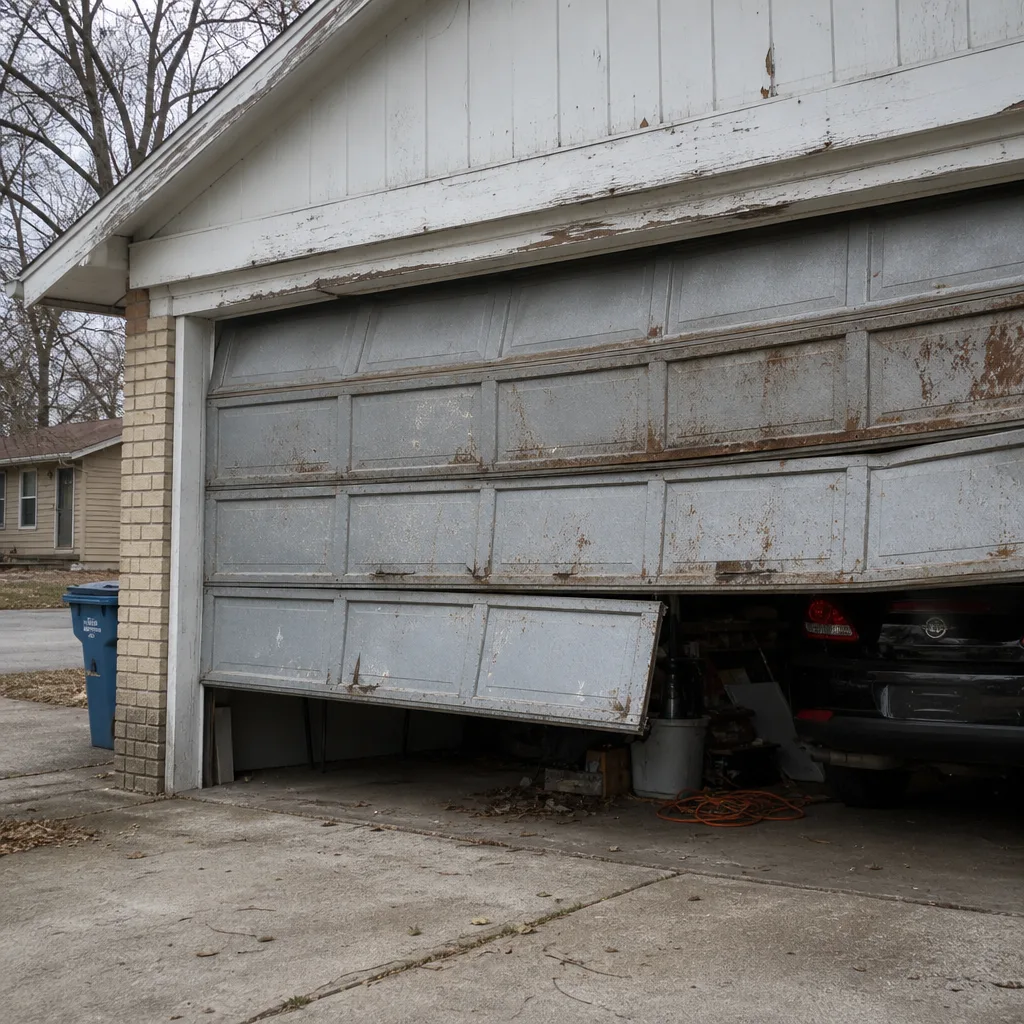
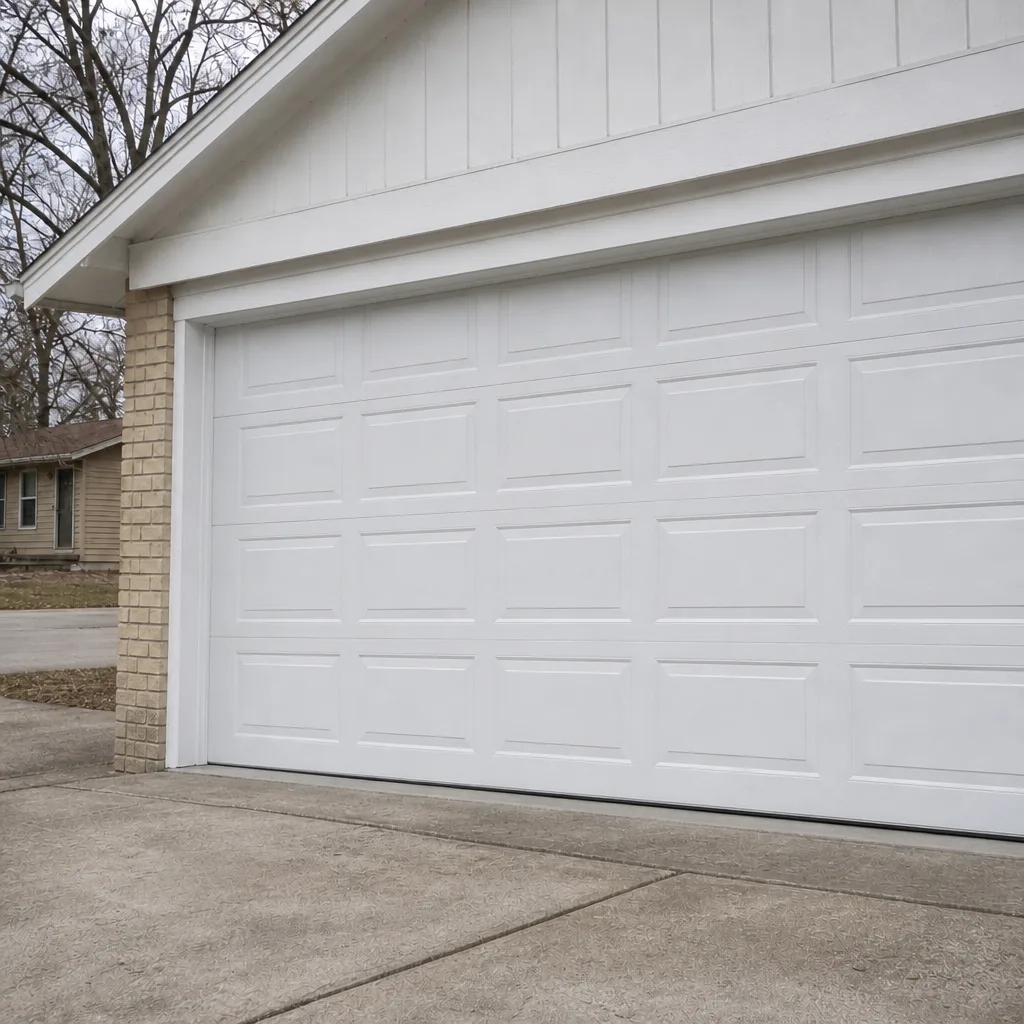
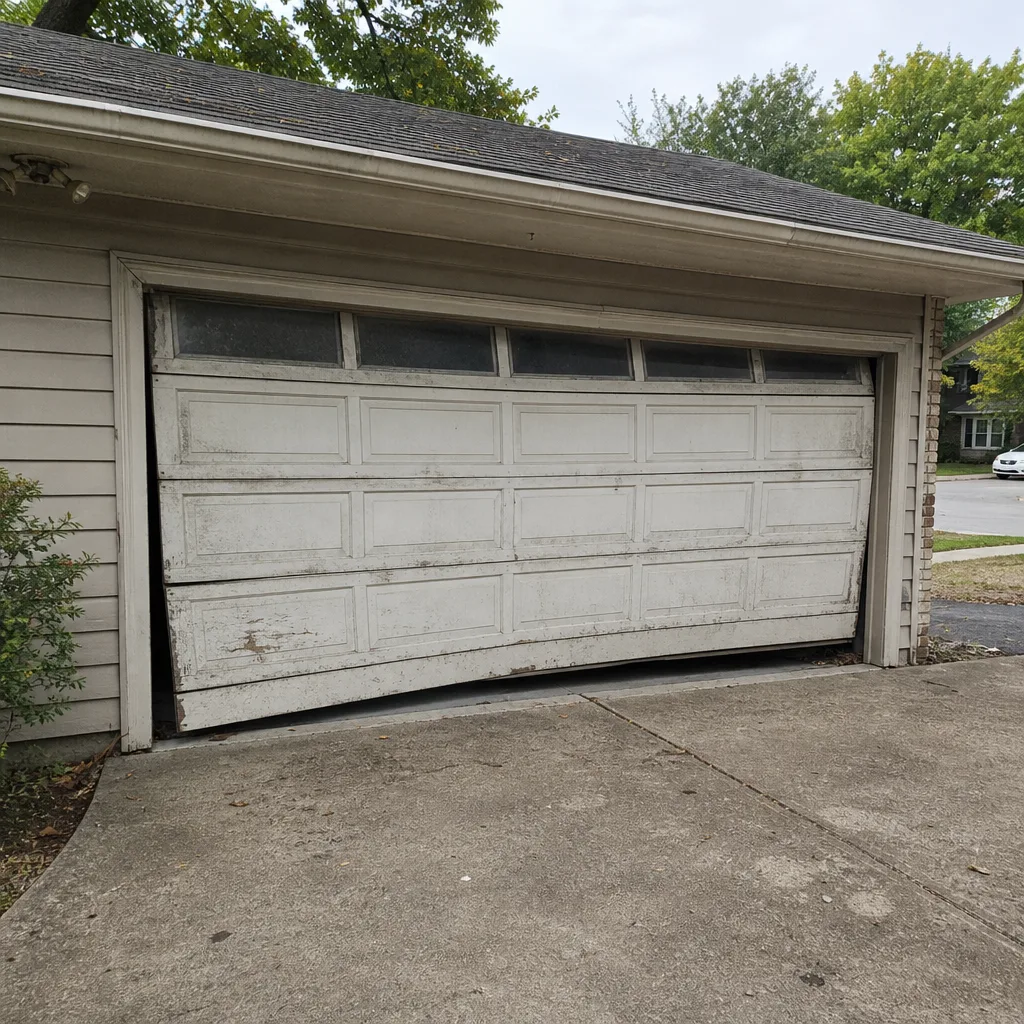
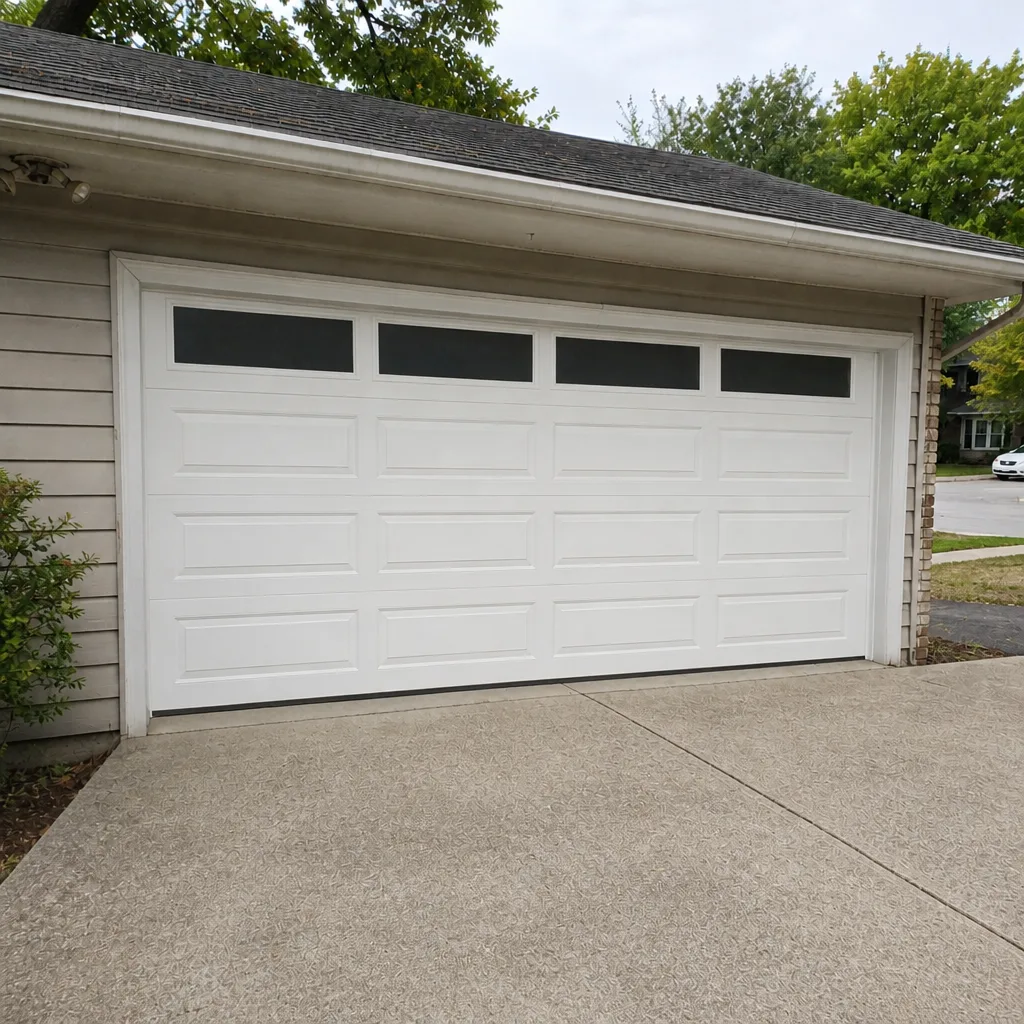
See the difference
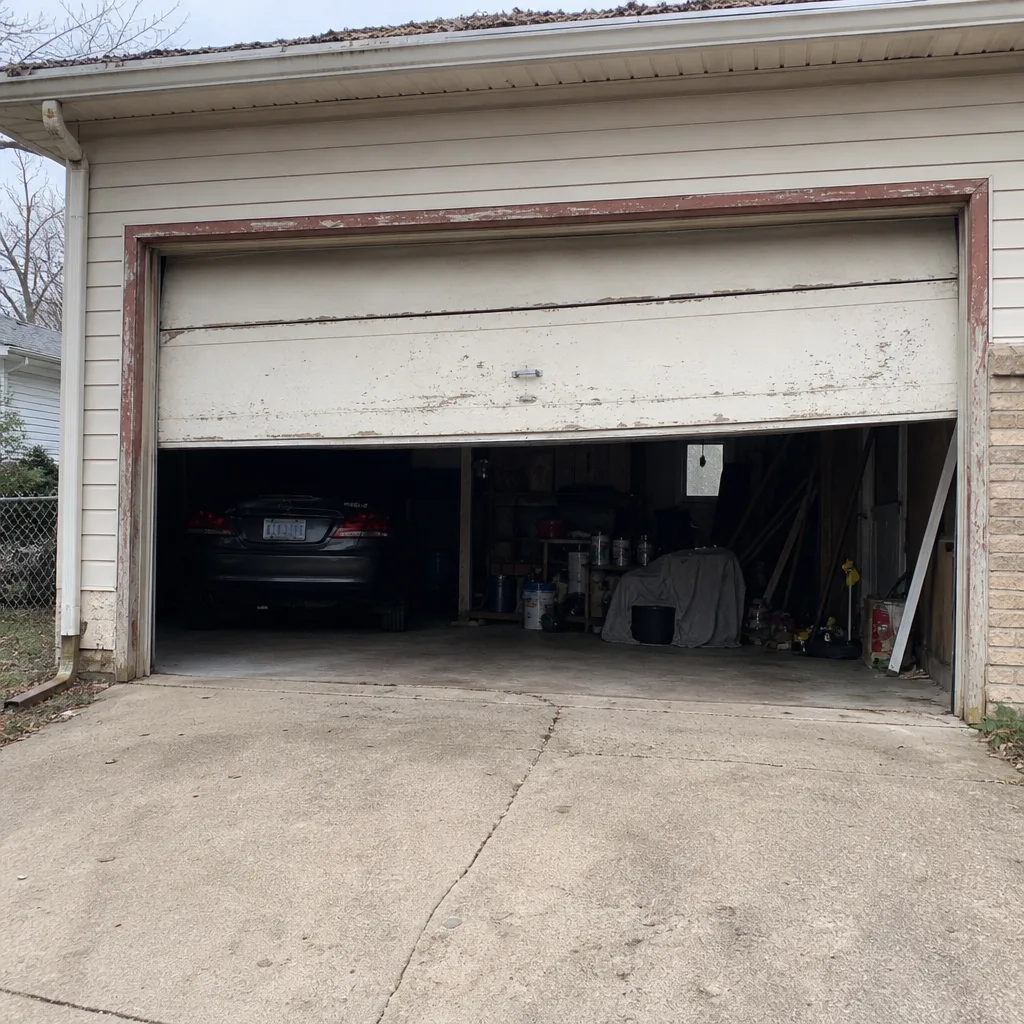 Before
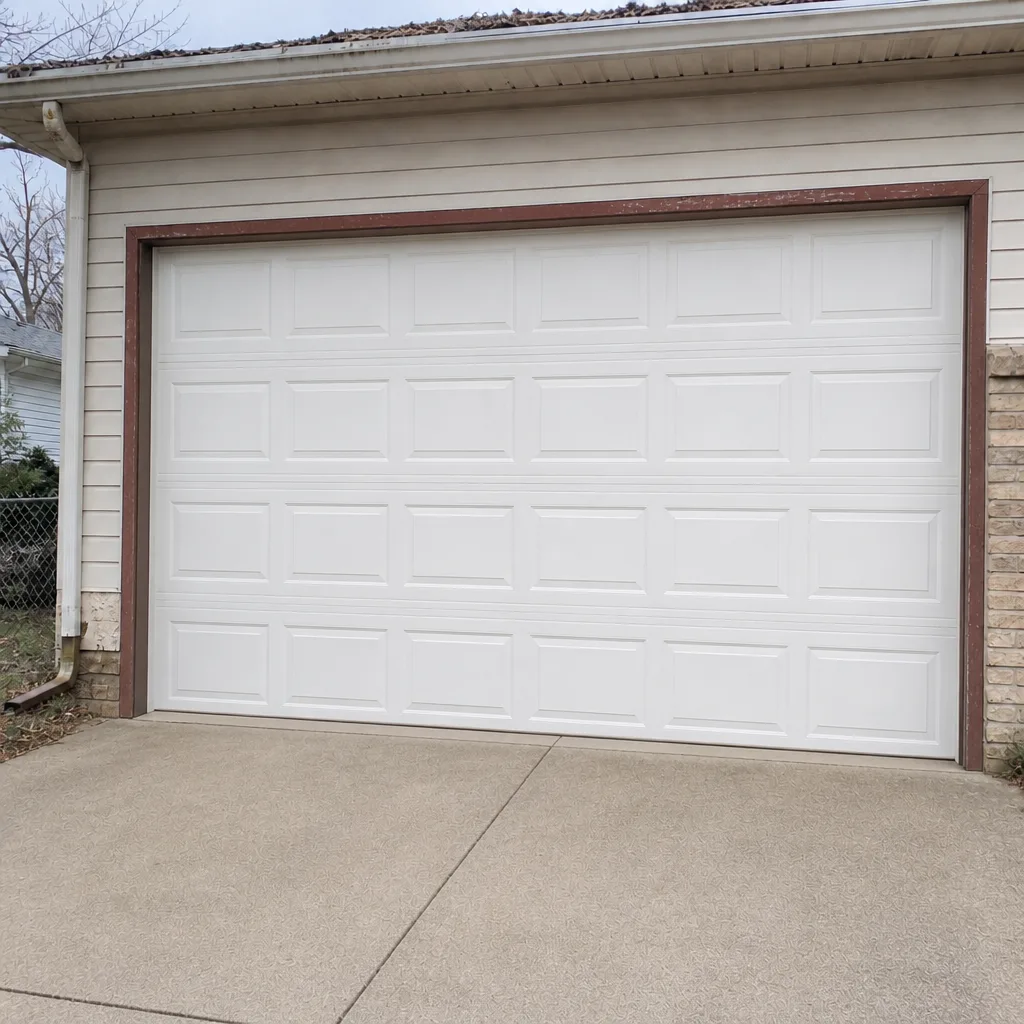 After
 Before
 After
 Before
 After
When to Call a Professional
Call a technician when the door won’t stay up after release, when a spring has visibly broken, when the door is off the track or stuck halfway, when the opener runs but the door doesn’t move, when you’ve had storm damage you can’t fully inspect, or when the door feels heavy or unsafe to lift by hand. Those are all situations where forcing it further costs more than the repair. Spring work in particular is not a do-it-yourself job – the tension in a wound torsion spring is dangerous, and the injuries from guessing at it are serious.
What’s safe to do yourself: testing the manual release, locating the slide lock, clamping the tracks, checking the door brand and opener model, and securing the door from the inside during an outage. Those are the steps above. What’s not: lifting a heavy door, adjusting the springs, re-aligning a bent track, or trying to force a door that’s failed in a partially-open position. Garage Door Repair Bevo Mill offers free estimates in Bevo Mill – call (844) 734-5652. Our technicians have up to 14 years of experience, and we’ll tell you the fix before we touch the door.
Frequently Asked Questions
Yes, if your springs are healthy. Every residential opener has a manual release cord, usually hanging from the trolley with a red or T-shaped handle. Pull it straight down and toward the door to disengage the opener, then lift the door by hand. If the door feels heavy or drops back down, stop and call – that’s a spring issue, not an outage issue. Call (844) 734-5652 if you’re not sure what’s happening.
Typical garage door repair estimates in Bevo Mill range from about $95-$250 for a service call and adjustment, $180-$340 for a single spring replacement, $250-$550 for an opener motor or control board repair, and $150-$400 for panel and track repairs. A matched pair of springs usually gets replaced together, so a pair runs about twice the single-spring range. The written estimate sets the final price and every price is agreed before any work starts. Call (844) 734-5652 for an exact quote – estimates are free.
Yes, we can usually work a stuck or failed door into the same day. Call (844) 734-5652 and describe whether the door is fully open, stuck halfway, or won’t move at all – that tells us what to bring. If your car is trapped behind the door, tell us that too. We’ll give you the plan and the price before we head out.
No, not without your approval. Our pricing is quoted and agreed before any work starts – the number we give you when we scope the job is the number on the invoice, unless you ask for something extra (like adding a second spring or replacing a bearing plate while we’re in there). If we see something on the door that changes the job, we’ll tell you before we touch it. Call (844) 734-5652 for a free estimate.
The local pro we connect you with is licensed and insured as their state requires, and our technicians have up to 14 years of experience in garage door work. We only work on garage doors – not general handyman services – so the person at your door has done this specific repair many times. If you have questions before you book, ask when you call (844) 734-5652.
Check the frame, the vertical and horizontal tracks, the panels, and the springs – in that order – before you press the opener. A bent track, a cracked panel, or a separated jamb means don’t run the door. If anything looks wrong, clamp the tracks, secure the door from inside if you can, and call us. A trained eye on the door after a storm is cheaper than running it and finding out the hard way.
Clamp the tracks above the bottom rollers with locking pliers on both sides, engage any slide lock, and block the opening from the inside with a vehicle or heavy furniture if you’re staying in. Don’t force a door that’s stuck halfway – it won’t close that way and forcing it risks bringing a panel down. Call (844) 734-5652 and we’ll work it into the schedule.
The Bottom Line
Garage door emergencies are rarely about the door itself – they’re about whether you know how it works before it stops working. Find your manual release cord this week. Test it once. Learn where the slide lock is and keep locking pliers in the garage. Write down your door brand and your opener model number and keep them where you can find them. Securing a failed door from the inside during an outage or after a storm is a five-minute job with the right prep, and it keeps the car from getting trapped and the house from sitting open overnight. When the door does fail, tell us what’s happening – springs, openers, panels, a full door, one call covers it. Call (844) 734-5652 for a free estimate in Bevo Mill.
Written by the team at Garage Door Repair Bevo Mill.