Last updated November 23, 2026
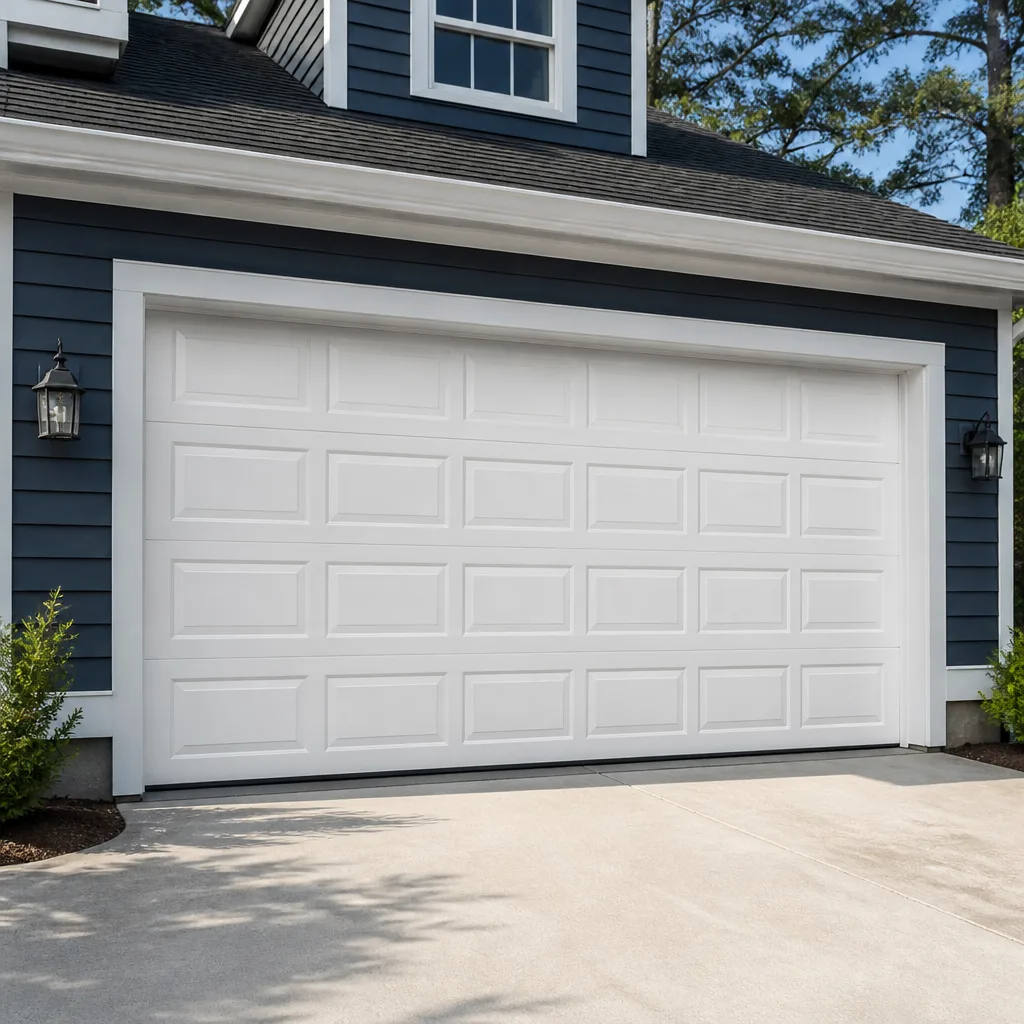 Raised-panel steel
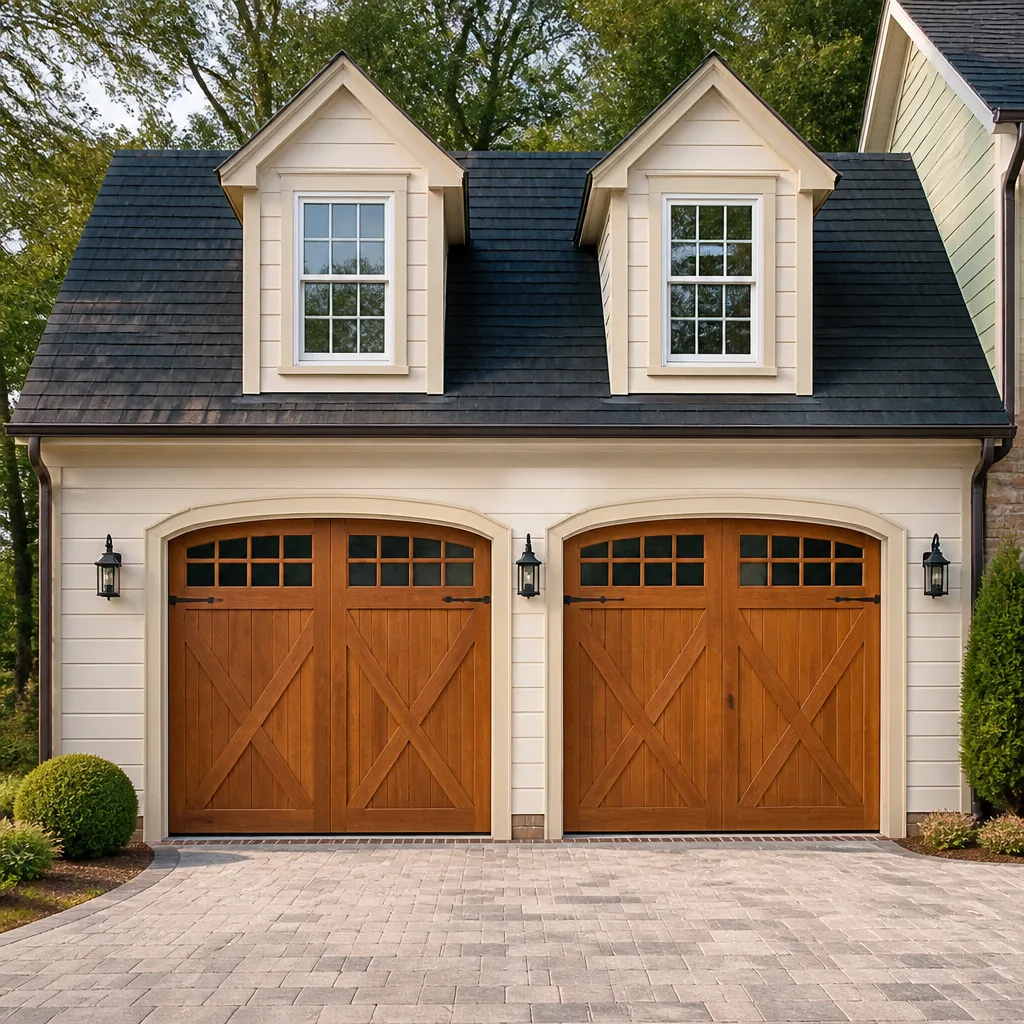 Carriage house
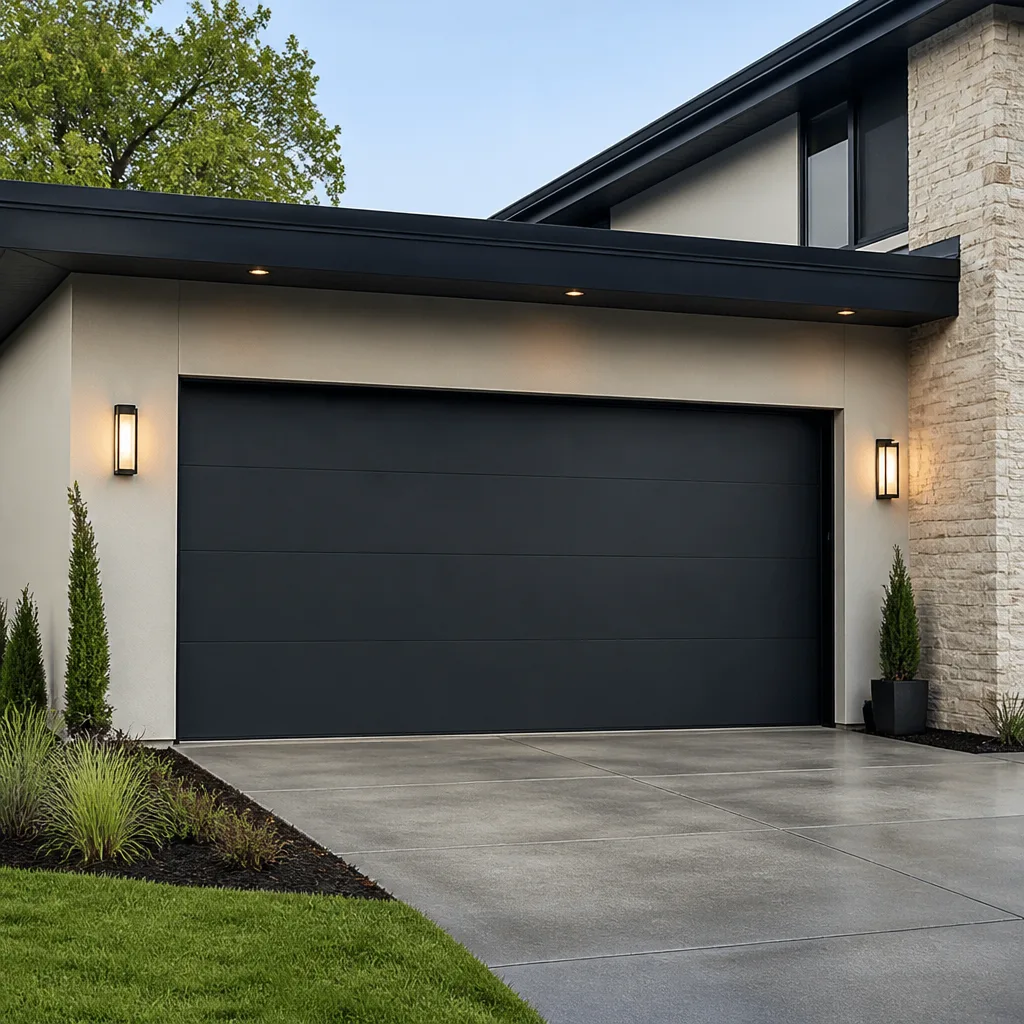 Modern flush
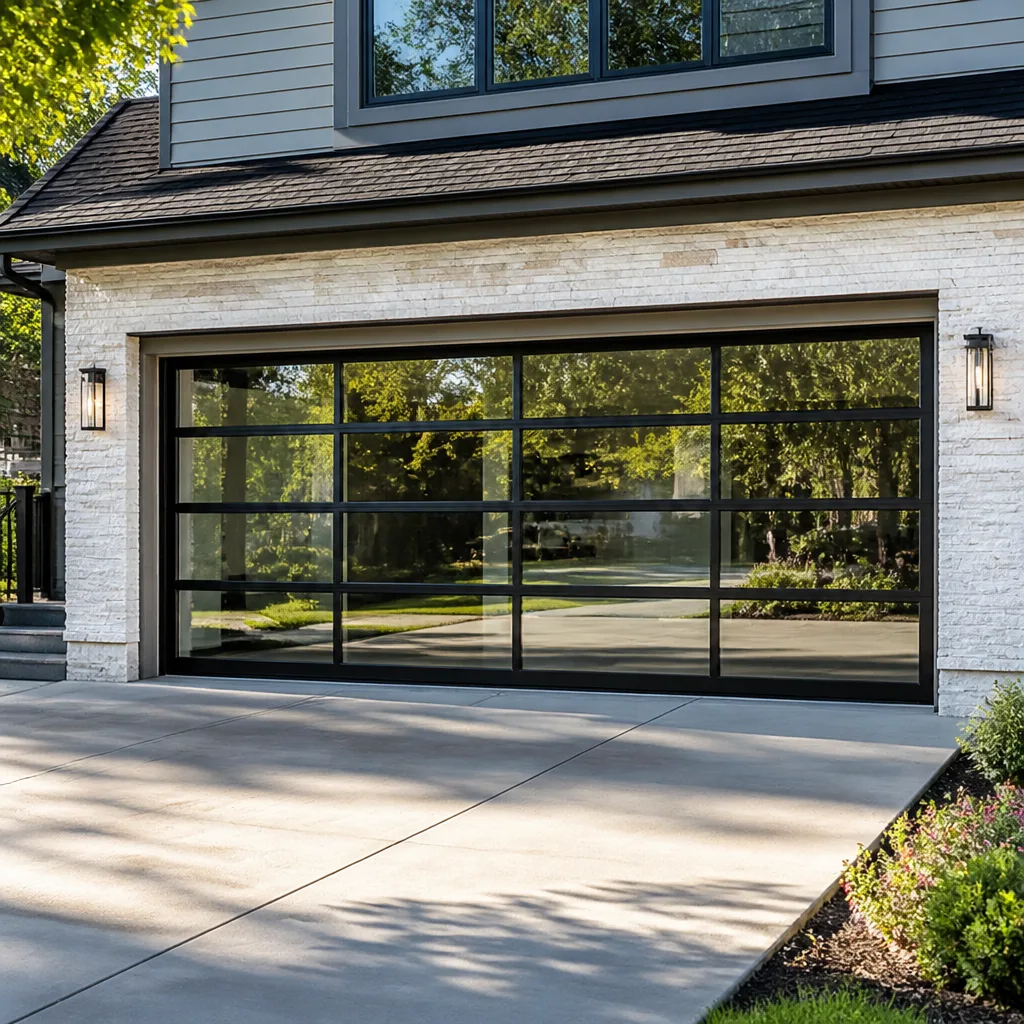 Full-view glass
 LiftMaster openers
 Chamberlain openers
Full 25-point door and opener safety check with every visit - springs, cables, rollers, tracks, and your LiftMaster or Chamberlain opener included
You get a price before we start. It does not change when the pro arrives.
Get your free estimateSeasonal Garage Door Care for Bevo Mill: Year-Round Homeowner’s Guide
Most garage door advice treats “seasonal care” as spring and fall, like the door lives in a neutral climate that politely changes twice a year. Bevo Mill doesn’t work that way. Our summers run hot and humid enough to swell wood panels and stress opener motors, and our winters deliver hard freeze cycles that turn a dry torsion spring into a failure waiting to happen. The tasks that matter in August have almost nothing to do with the tasks that matter in January, and that’s exactly what this guide fixes. Instead of vague categories, you’ll get a month-by-month map tied to how St. Louis weather actually behaves, so you know what to check and when.
Quick Answer
Seasonal garage door care in Bevo Mill means matching tasks to the local climate: in summer, watch for humidity swelling wood panels and overheating opener motors; in fall, lubricate torsion springs and check bottom seals before the first freeze; in winter, keep the door balanced and the tracks clear of ice; and in spring, inspect for rust, cracked seals, and hardware loosened by freeze-thaw cycling. The single highest-value habit is lubricating springs, hinges, and rollers before winter, because dry lubricant meeting the first hard freeze is where most emergency calls begin.
Styles & brands we work with
- Raised-panel steel
- Carriage house
- Modern flush
- Full-view glass
- LiftMaster openers
- Chamberlain openers
Table of Contents
- Why Bevo Mill Weather Is Hard on Garage Doors
- The Month-by-Month Task Map
- Summer Humidity and Wood Door Panels
- Torsion Spring Lubrication Before Winter
- Bottom Seals and Weatherstripping Before the Freeze
- How Extreme Heat Affects Your Opener Motor
- Freeze-Thaw Checks for Tracks and Hardware
- Living With a Garage Door in Bevo Mill
Why Bevo Mill Weather Is Hard on Garage Doors
A garage door in Bevo Mill lives through two very different kinds of stress each year, and most homeowners only plan for one. Summer brings heat and humidity that works on wood, paint, and electronics. Winter brings repeated freeze-thaw cycles that work on metal, rubber, and anything mechanical that depends on lubrication. The door itself doesn’t care that it’s the same door year-round; it just reacts to whichever stress is in season.
There’s a local wrinkle worth understanding. Bevo Mill’s housing stock runs from older brick homes near the historic mill tower to mid-century and later builds, and each type ages differently. Older wood doors absorb summer humidity far more than steel or aluminum, and older openers with worn gear assemblies are more sensitive to heat. That’s why a generic checklist written for a national audience misses so much here: the same task list applied to a 1950s wood door and a newer Clopay steel door produces different priorities.
What the climate actually does:
- Summer: High humidity swells wood panels, softens paint films, and pushes opener motors harder as they run warmer.
- Fall: Temperatures swing widely, and dry lubricant that sat all summer stops protecting the moment the first real cold arrives.
- Winter: Freeze-thaw cycles crack seals, stiffen rollers, and stress torsion springs that are already under constant tension.
- Spring: The thaw reveals rust, loose hardware, and seals that split over the winter.
The pattern is simple once you see it: your door’s problems are seasonal, and so is the maintenance that prevents them.
The Month-by-Month Task Map
This is the core of the guide. Instead of “spring maintenance” and “fall maintenance,” here’s what actually matters when in Bevo Mill. Adjust slightly for the year’s weather, but the sequence holds.
Late Winter to Early Spring (February – April)
The thaw month is inspection month. As ice clears, walk the door’s full travel and look for rust on tracks and hinges, cracked or split bottom seals, and hardware that loosened during freeze-thaw cycling. This is also the time to check for water pooling near the door’s base, which points to grading or drainage issues that will repeat next winter.
Late Spring (May – June)
Before summer humidity settles in, address anything wood and anything painted. Inspect wood panels for softness or paint failure, and touch up any bare spots before the humid months expand the problem. Check that the opener’s safety reversal works and that the door balance is correct, because a balanced door runs cooler and easier all summer.
Summer (July – August)
This is when you listen and watch. Listen for a labored motor or a door that runs slower than usual, and watch for sticking wood panels or paint bubbling. Humidity and heat are at their peak. This is the month to verify ventilation in the garage and to keep the opener’s moving parts clean of grit that summer dust collects.
Early Fall (September – October)
This is the single most important window of the year. Lubricate torsion springs, hinges, and rollers with the right product for cold weather. Inspect the bottom seal and weatherstripping while it’s still flexible. Tighten hardware. Test the balance and safety reversal. Everything you do in these weeks protects against the first hard freeze.
Late Fall to Winter (November – January)
Winter is watch-and-react. Keep tracks clear of ice and debris, listen for new noises, and address any spring or opener issues promptly rather than pushing them into deeper cold. This is when the consequences of skipped fall lubrication show up.
If you’d rather hand off the inspection entirely, our Garage Door Repair Bevo Mill service handles the full seasonal check as one visit.
Summer Humidity and Wood Door Panels
Bevo Mill’s summer humidity is the slow enemy of wood garage doors. Wood is a living material in the sense that it absorbs and releases moisture with the air. When humidity climbs, panels swell; when it drops, they shrink. Over many cycles, that movement works on paint films, joints, and the structure of the panel itself.
The warning signs are easy to read if you know what to look for:
- Paint bubbling or peeling: The first sign that moisture is getting under the finish.
- Panels that stick or bind: Swollen wood rubbing against the frame or each other.
- Visible gaps at joints: Where swelling has opened seams that trap water and accelerate the problem.
- Soft spots: Press near the bottom edges. If it gives, moisture has reached the wood itself.
What to do before it becomes structural
- Inspect every panel edge and joint in late spring, before the humid months.
- Scrape and repaint any bare or bubbling spots. A sealed surface resists moisture.
- Keep the garage ventilated so humid air doesn’t sit against the door.
- Check the bottom edges, which contact wet ground and absorb moisture first.
- If you find soft wood, stop repainting and get an assessment, because a soft panel won’t hold finish no matter how many coats you apply.
Wood doors aren’t the only concern. Even steel and aluminum doors suffer bubbling paint where moisture finds a scratch, and Amarr and Clopay steel doors are common enough in Bevo Mill that we see this every summer. If the door is past saving, our garage door installation service covers the full replacement in one project rather than handing you off mid-way.
Torsion Spring Lubrication Before Winter
The busiest stretch for emergency garage door calls in St. Louis tends to follow the first hard freeze of the year. The reason is usually lubrication, or the lack of it. For months, dry torsion springs have been quietly working under constant tension. Then cold sets in, metal contracts, friction climbs, and a spring that was already dry and fatigued lets go.
There’s a safety point here that deserves to be stated plainly. Torsion springs are under enormous tension, and high-tension spring and cable work requires training and the right tools. Don’t attempt to adjust, wind, or replace a spring yourself. What homeowners can safely do is lubricate the springs, hinges, and rollers, which reduces wear and friction without touching tension.
Lubrication that’s wrong for cold temperatures
Not every lubricant belongs on a garage door in a freeze-cycle climate. The wrong choice can do more harm than good:
- General-purpose motor oil: Too thin and it runs off; too thick and it stiffens in cold. It also attracts grit.
- WD-40-style penetrants: These are solvents and water displacers, not lasting lubricants. They clean and then evaporate, leaving metal dry again.
- Heavy grease: It gums up in cold weather and turns rollers and hinges sluggish when temperatures drop.
- The right choice: A garage-door-specific lubricant, usually a lithium- or silicone-based product, that stays effective as temperatures fall. Ask before you buy; the label tells you the cold-temperature behavior.
The fall lubrication routine
- Lubricate torsion springs along their full length, and the hinges and rollers on both sides.
- Wipe away excess so it doesn’t collect grit.
- Run the door up and down a couple of times to distribute the lubricant.
- Repeat once before the first hard freeze if fall is mild and long.
- Do this in early fall, not after cold arrives, so the lubricant is in place when it matters.
If your springs are noisy, rusty, or the door seems heavier than usual, that’s a sign to call rather than lubricate. Our dedicated garage door repair work covers spring replacement as its own service for exactly this reason.
Bottom Seals and Weatherstripping Before the Freeze
The bottom seal and weatherstripping are the door’s weather defense, and the freeze cycle is what tests them. Rubber that was flexible in September gets brittle in January. A seal that was already cracked in fall will split wide once ice forms, and then cold air, snow, and moisture get in while heat leaks out.
Check these before temperatures drop, not after:
- Bottom seal: Run your hand along the base. Cracks, hardening, or flattening mean it won’t seal against the floor. A stiff seal also lets drafts in and can let small animals or moisture past.
- Side and top weatherstripping: Look for gaps, sagging, or detachment along the frame.
- Contact with the floor: With the door closed, there should be even compression along the whole base. Gaps mean cold air and water are getting in.
- Trim and thresholds: Wood trim that’s rotting or pulling away lets water in and worsens seal failure.
Replacing a bottom seal is a straightforward job with the right profile, and it’s often the cheapest seasonal fix that pays you back in a warmer garage and a drier floor. The key is doing it in fall, while rubber is still flexible and the door is easier to work on. Seals that fail mid-winter get replaced in the cold, and they won’t seat as well.
How Extreme Heat Affects Your Opener Motor
Summer heat pushes opener motors harder than any other season, and Bevo Mill’s hot, humid summers make it worse. The motor and gear assembly sit in an enclosed housing, often in a garage that already runs hotter than the outdoor air. Add the load of a door that’s swollen or slightly out of balance, and the opener works harder than it should.
Common opener brands in Bevo Mill homes include Chamberlain and Genie units, and both show heat stress in similar ways. Here’s what to watch for:
- Labored or slower operation: The door runs but sounds like it’s working too hard.
- Clicking or grinding: A worn gear or a motor straining against increased resistance.
- Stopping partway or reversing: Overheating protection or a safety sensor issue, both more likely in heat.
- Slower response to the remote: Usually a sign the motor is working at its limit, not a remote problem.
Temperature thresholds to watch
The exact safe range depends on the opener, so check the manufacturer’s specifications for your model. As a practical rule, pay attention when the garage itself is noticeably hotter than the outside air, which happens easily in summer. If the opener runs warm to the touch, runs slower than it did in spring, or shuts off and won’t restart until it cools, that’s your signal. Those are reasons to have it looked at rather than push it through the season. Our garage door opener repair service handles diagnosis and repair, including parts for Chamberlain, Genie, LiftMaster, and other common systems.
One related point: a door that’s out of balance is the most common reason an opener overheats. The door should hold position when you disconnect the opener and lift it halfway. If it doesn’t, the opener is compensating for weight it shouldn’t have to carry, and heat only makes that worse.
Freeze-Thaw Checks for Tracks and Hardware
Winter’s freeze-thaw cycle works on the door’s metal and hardware. Water gets into tracks, into joints, and around hinges, then freezes and expands. Repeated cycles loosen bolts, shift track alignment, and leave ice in channels. Most of what goes wrong in winter is a direct result of this cycle, and most of it can be caught with a quick periodic check.
What to check during cold months:
- Tracks: Clear ice, snow, and debris from both the horizontal and vertical track channels. Ice in the track is a leading cause of doors that jam or come off their rollers.
- Hinges and rollers: Listen for new rattles or scraping. Freeze-thaw loosens hardware, and loose hardware accelerates wear.
- Balancing: Test the door balance periodically. A door that feels heavier than it did last month needs attention.
- Springs: Listen. Noise, a door that feels heavier, or a visible gap in a spring’s coil are signs to stop using it and call.
- Bolts and brackets: Tighten anything that’s worked loose. Loose bolts are a freeze-thaw symptom you can catch early.
These winter checks are about catching small issues before they become a door that won’t open in January. A loose bolt is a phone call; a door that drops off its track is a much bigger problem.
Living With a Garage Door in Bevo Mill
The local context matters. Bevo Mill is a neighborhood where garages tend to serve as daily-use spaces, from vehicles to storage to workshop. A door that fails here isn’t a minor inconvenience; it’s an access problem for the whole household, sometimes on the coldest morning of the year.
That’s why we’ve built our work around garage doors only. We work on the brand you already have, whether that’s a Clopay steel door, a Wayne Dalton, a Raynor, or an older wood door that predates all of them. Springs, openers, panels, full doors: one call covers it. We keep parts on hand for common repairs so you’re not waiting on a third-party supplier, and when a door is beyond repair, we handle the installation ourselves rather than handing you off mid-project to someone else.
Our technicians have up to 14 years of experience, and we’ve seen how the seasonal pattern plays out across Bevo Mill’s streets and home types. The maintenance habits in this guide are the same ones we recommend in person, because they’re the ones that actually prevent the calls.
Common Mistakes to Avoid
- Waiting until the first freeze to lubricate. By then it’s too late to prevent the problem; dry springs under tension are vulnerable the moment cold arrives. Lubricate in early fall, before the freeze.
- Using the wrong lubricant for winter. Penetrating oils, heavy grease, and general motor oil all fail in cold weather. Use a garage-door-specific product rated for cold temperatures.
- Repainting soft wood instead of treating the moisture problem. Paint over a soft panel traps moisture and makes it worse. Diagnose before you decorate.
- Ignoring a door that feels heavier. A door that’s gotten harder to lift usually has a spring or balance problem, and it’s exactly what winter makes worse.
- Adjusting springs yourself. Torsion springs are under dangerous tension. Lubricating is safe; adjusting is not. Leave tension work to a professional.
- Skipping the bottom seal until it’s cracked. By the time you see cracks, cold air and water are already getting in. Check it in fall.
- Treating summer heat like it doesn’t matter. A labored opener in July is a warning. Push it through the season and you may lose the motor.
See the difference
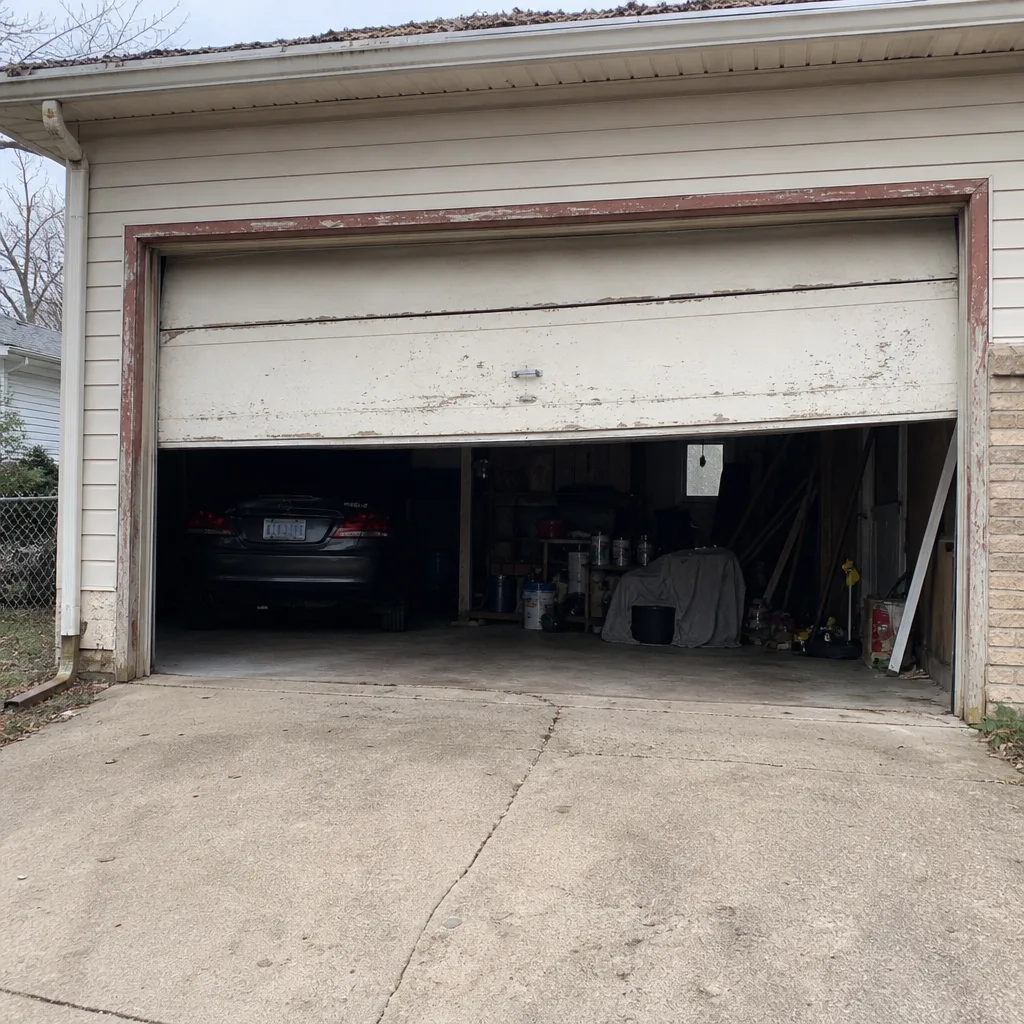 Before
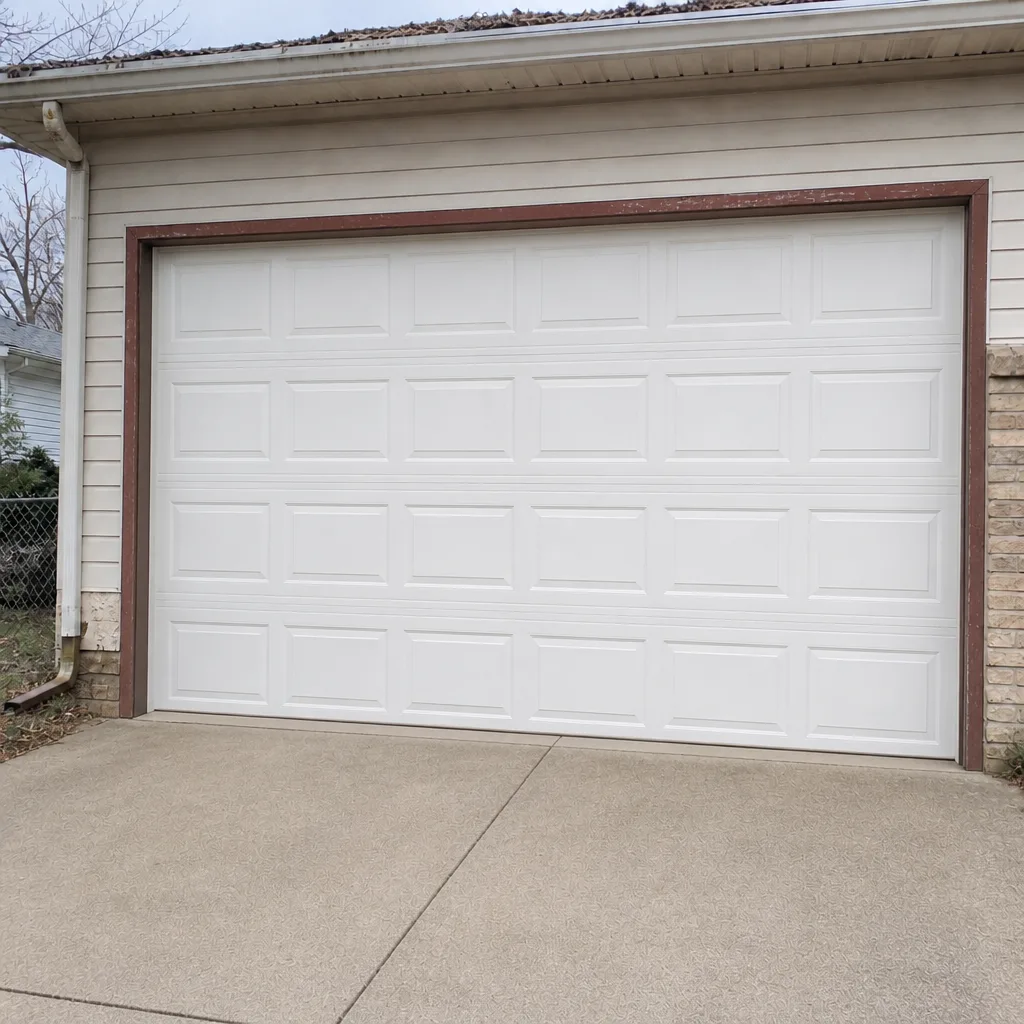 After
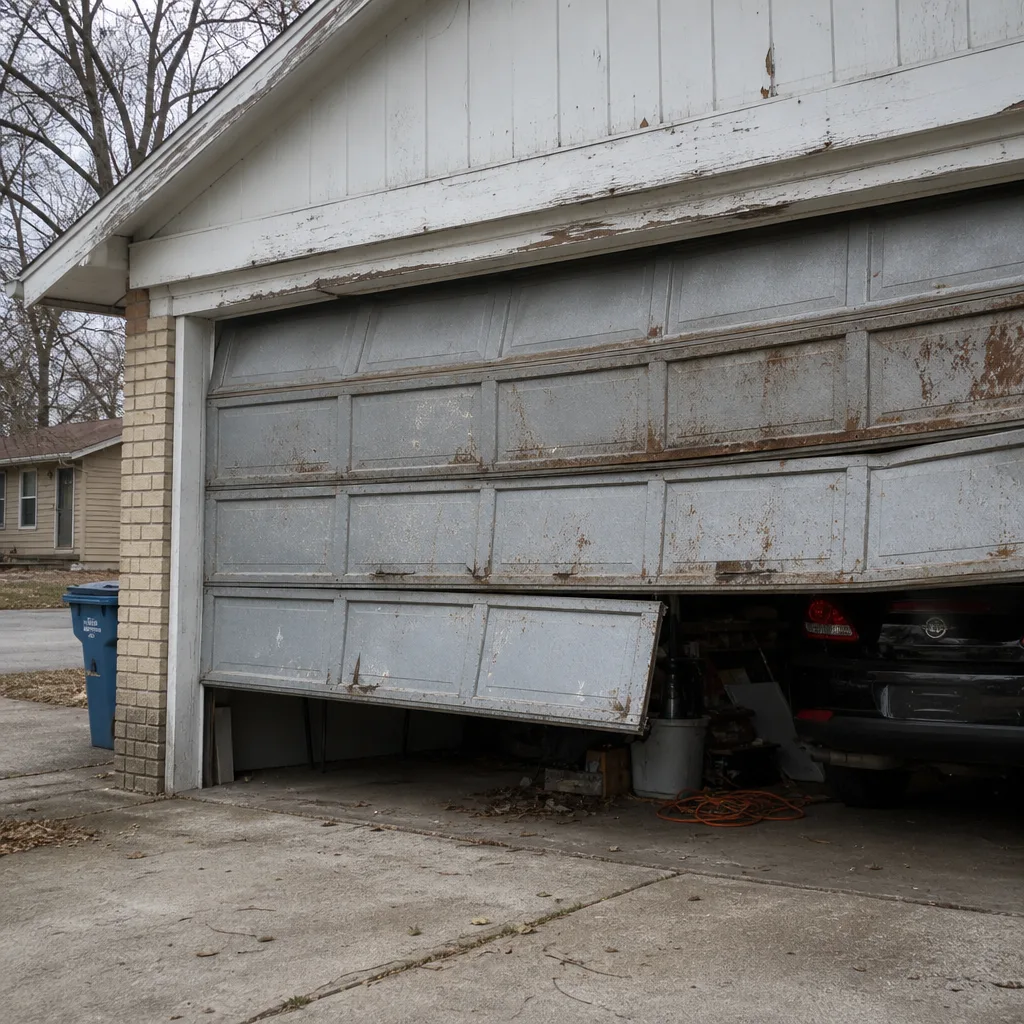 Before
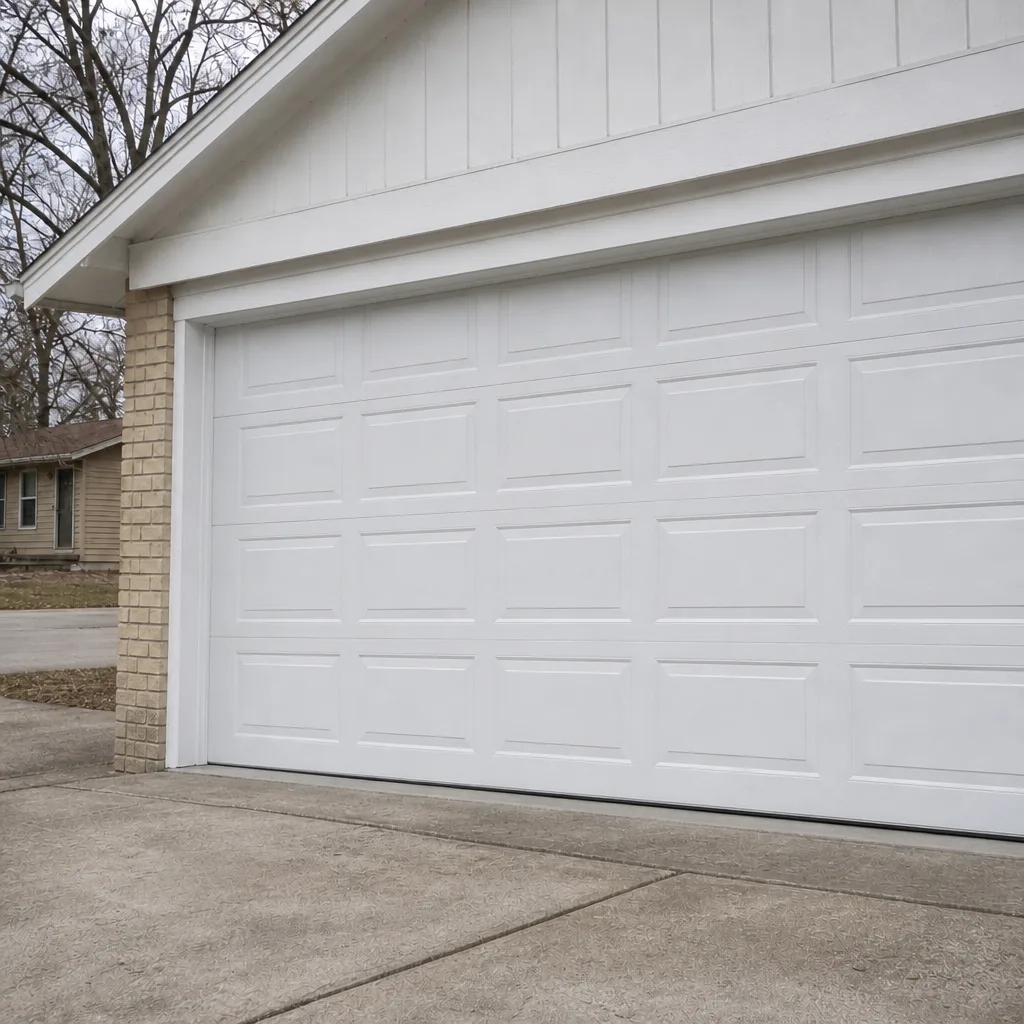 After
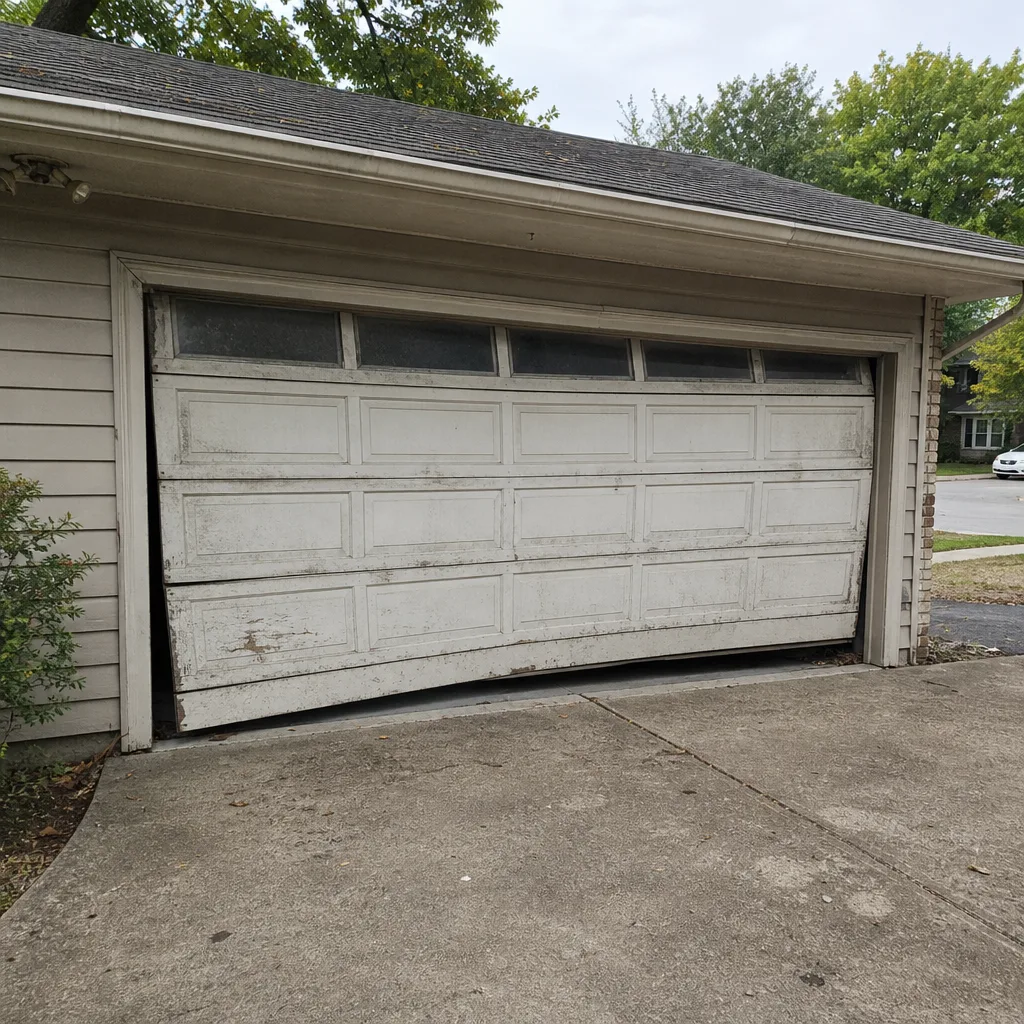 Before
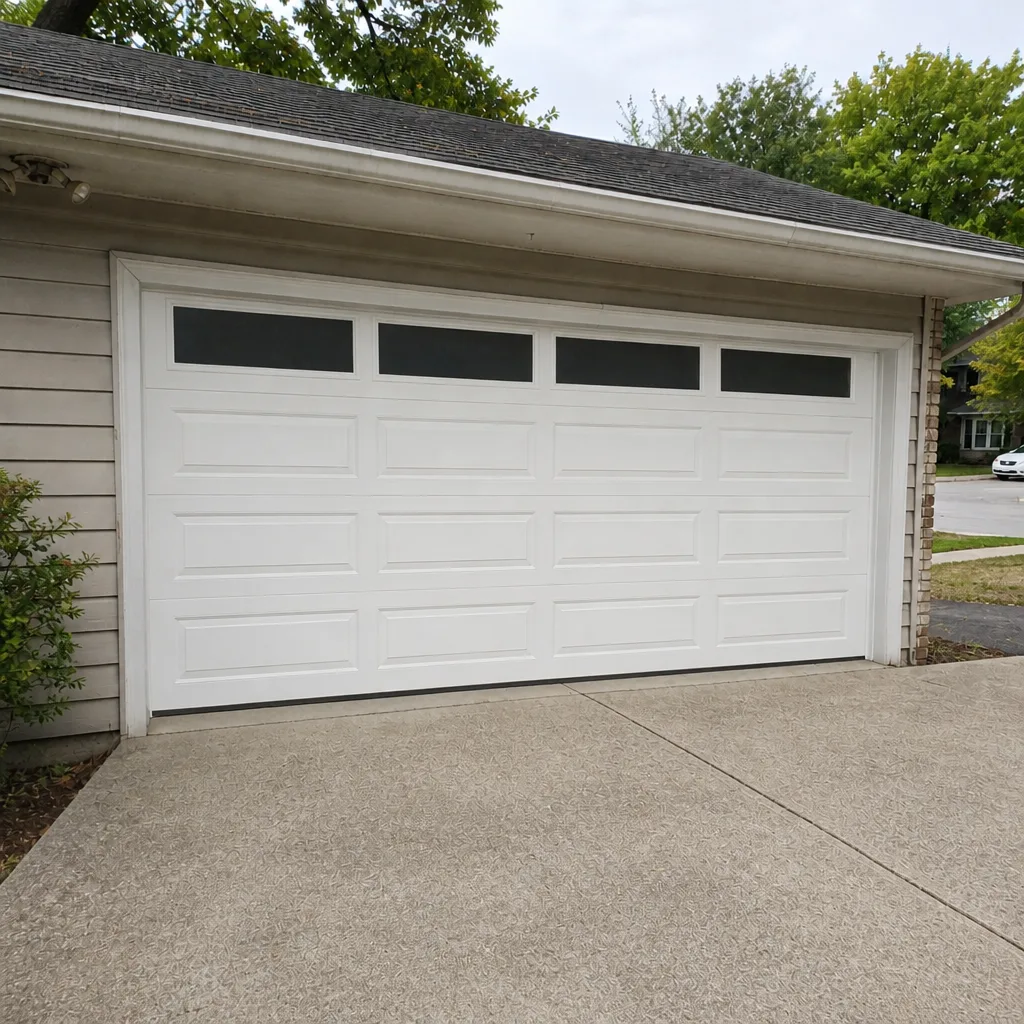 After
When to Call a Professional
Some work is seasonal maintenance you can handle yourself. Some isn’t. Call us when you hit any of these: a broken or visibly damaged torsion spring, a door that won’t stay balanced or feels significantly heavier, an opener that’s struggling, overheating, or making grinding noises, a door that’s come off its track or is jamming, a bottom seal or weatherstripping you’re uncomfortable replacing, or a wood door with soft spots or structural moisture damage. Also call if you’re unsure: diagnosing what’s wrong is a straightforward visit, and knowing the fix beats guessing.
Garage Door Repair Bevo Mill offers free estimates in Bevo Mill. Call (844) 734-5652 and tell us the problem. We’ll name the fix and the cost before any work begins. Prices are quoted and agreed before we start.
Frequently Asked Questions
Early fall is the best time, typically September or October, before the first hard freeze. Lubricating torsion springs, hinges, and rollers then ensures the lubricant is in place when temperatures drop. Bevo Mill’s freeze cycles are the hardest test of dry hardware, so fall lubrication is the highest-value seasonal task.
A torsion spring that fails after months of dry operation, usually around the first hard freeze. Cold contracts metal, friction increases, and a spring that hasn’t been lubricated since fall is the one that lets go. Bottom seals and frozen tracks are also common winter issues.
Yes. Wood absorbs moisture from humid summer air and shrinks again when it’s dry, and that movement works on paint, joints, and the wood itself. Bubbling paint, sticking panels, and soft spots are signs moisture is getting in. Address bare or bubbling paint before humidity peaks.
Watch for slower operation in hot months, grinding or clicking, shutting off and refusing to restart until it cools, and a motor that runs warm to the touch. Check your model’s specifications for temperature limits. A door that’s out of balance is often the underlying cause, so test balance too.
It’s a straightforward job for many homeowners if you match the door’s seal profile exactly. The tricky parts are finding the right profile and getting an even seal along the floor. If the seal or the door’s base is damaged or you’re unsure, have it looked at.
Yes. We handle repair, opener service, spring replacement, and full installation as one specialist, so you’re not handed to a different contractor mid-project. We work on the brands you already have, including LiftMaster, Chamberlain, Genie, Clopay, Amarr, Wayne Dalton, Craftsman, and Raynor. Call (844) 734-5652 for a free estimate.
The Bottom Line
Seasonal garage door care in Bevo Mill comes down to matching tasks to the local climate: early fall lubrication before the freeze, summer inspection of wood panels and opener behavior, winter checks on tracks and hardware, and spring repair of what the thaw reveals. The one habit that prevents the most emergencies is lubricating springs, hinges, and rollers before cold arrives. If you’d rather hand off the seasonal check, one call handles the full job. We work on the brand you already have, with parts on hand rather than on order.
Have a door that’s acting up, or want a full seasonal inspection before the next cold snap? Call Garage Door Repair Bevo Mill at (844) 734-5652 for a free estimate. We’ll tell you what’s wrong and what it costs up front, so the number you agree to is the number you pay.
Written by the team at Garage Door Repair Bevo Mill.