Last updated November 23, 2026
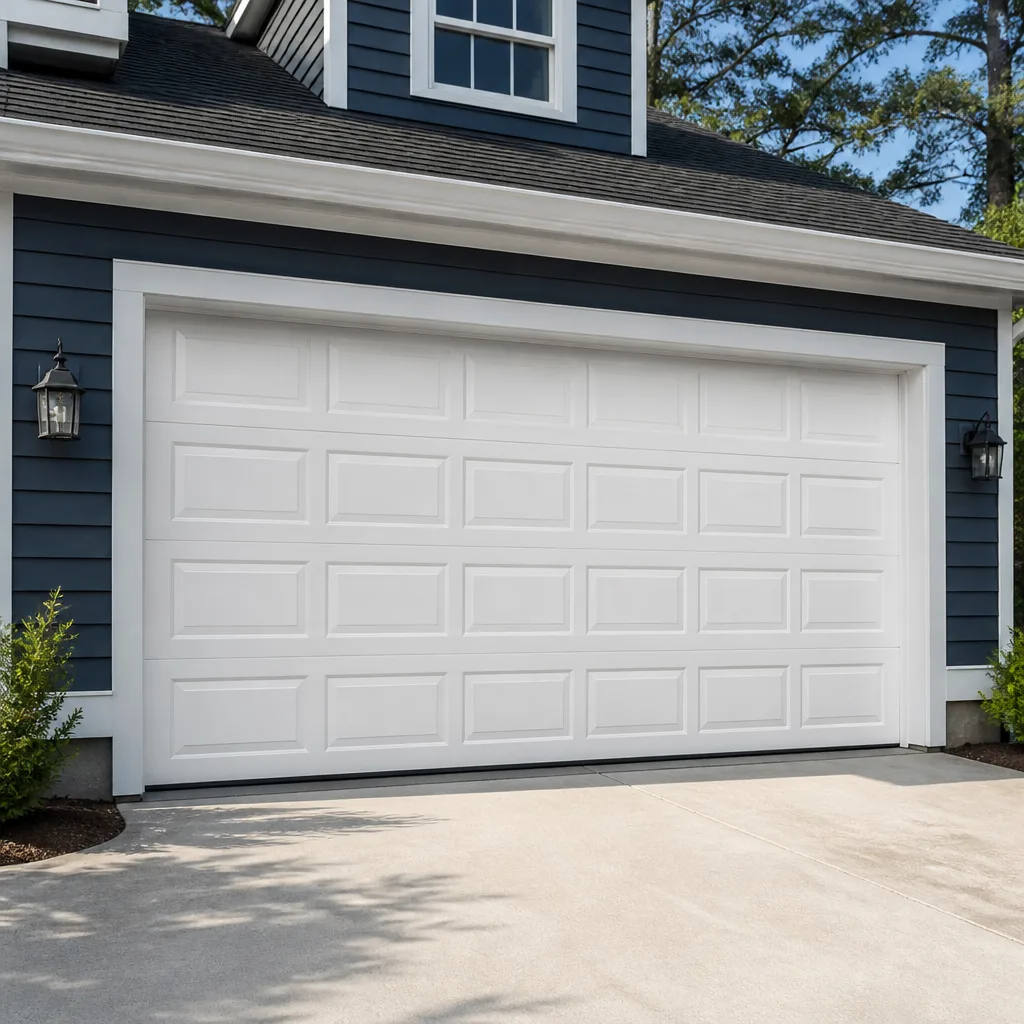 Raised-panel steel
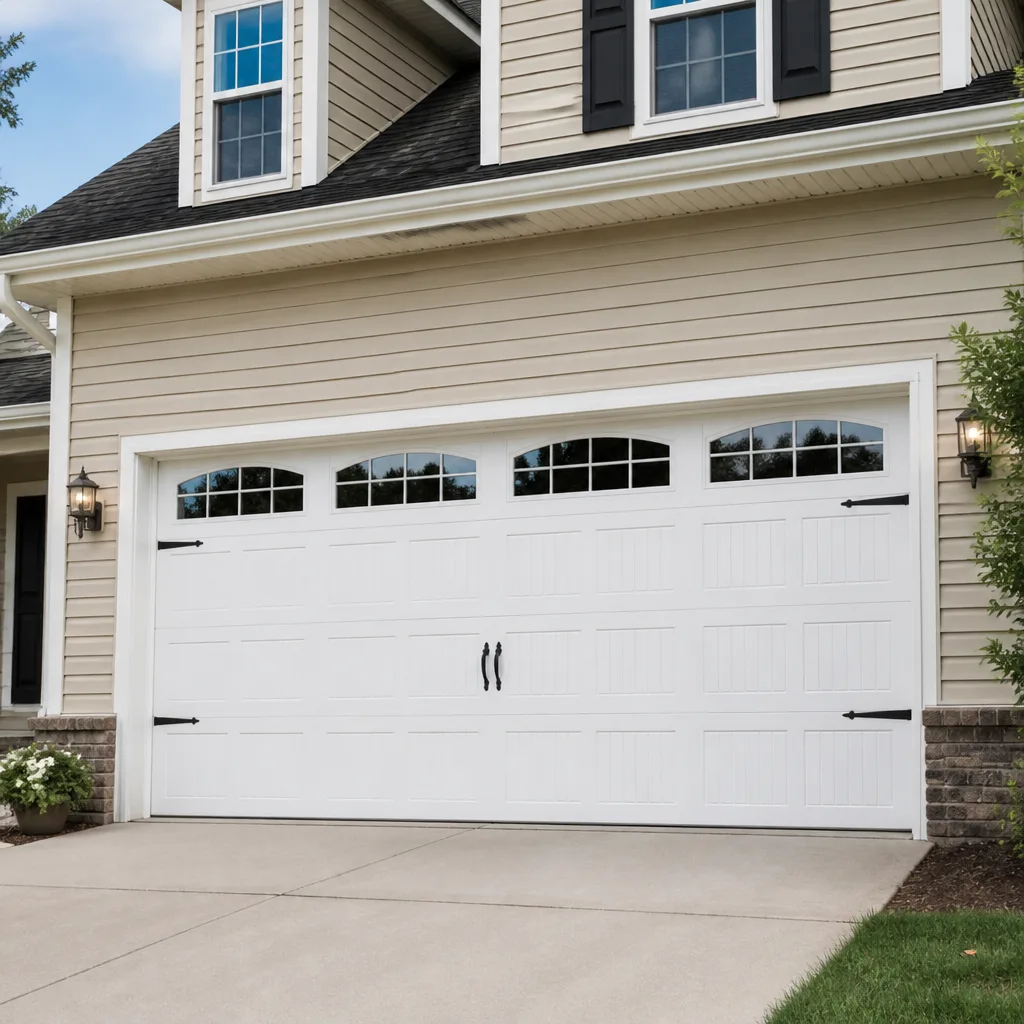
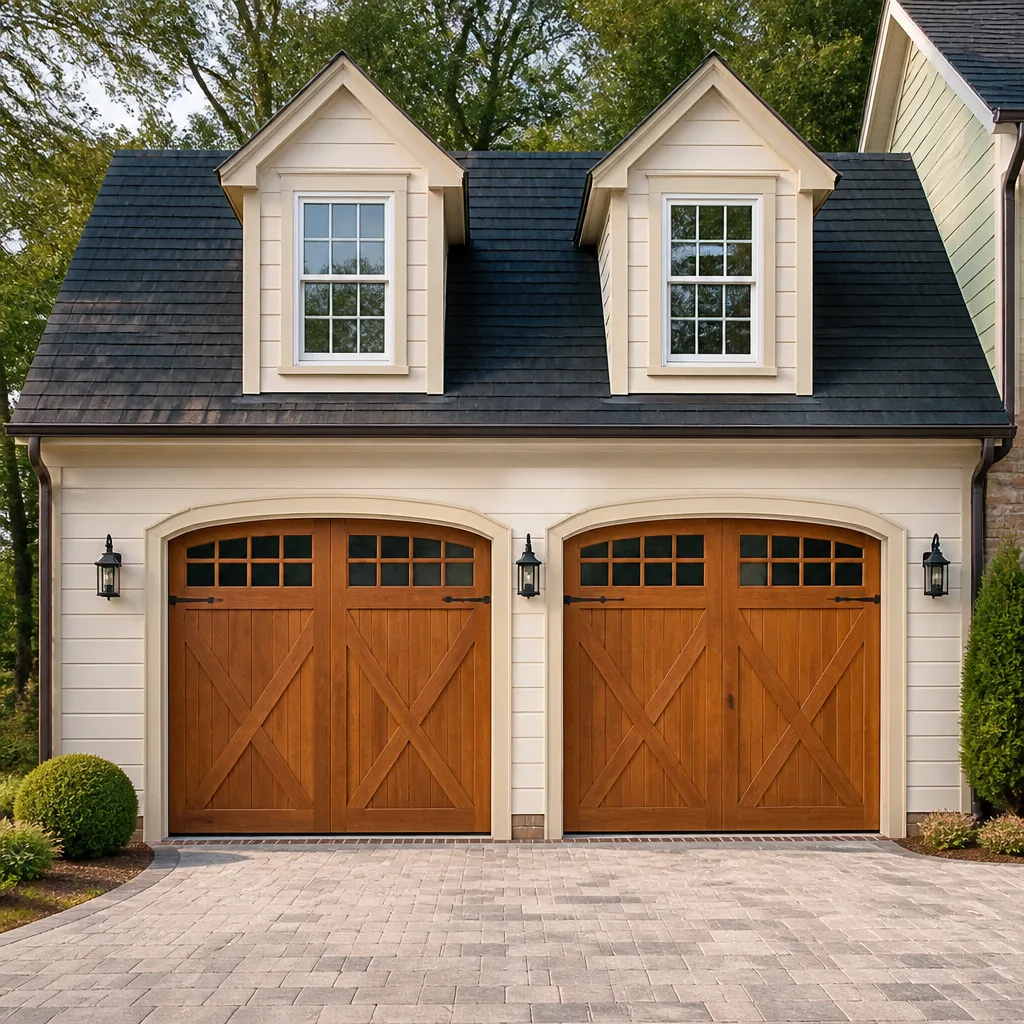 Carriage house
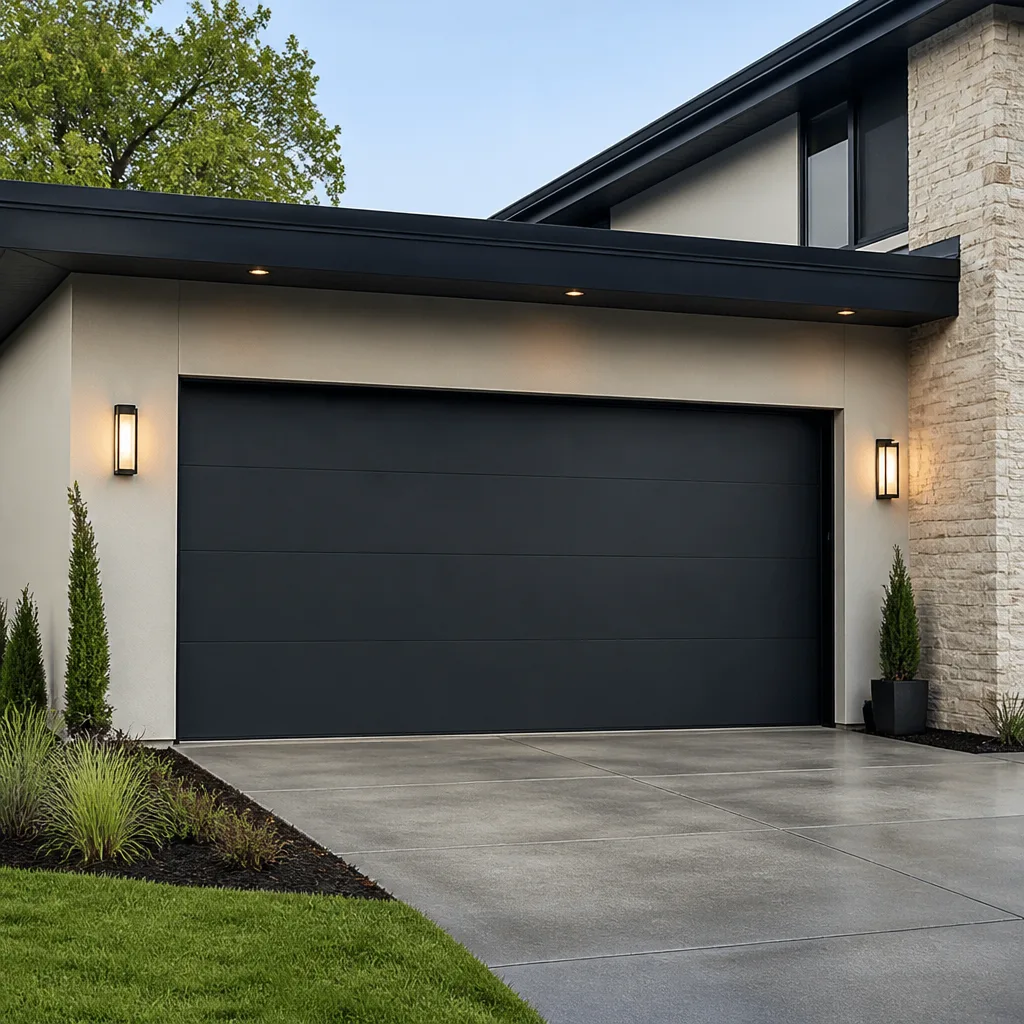 Modern flush
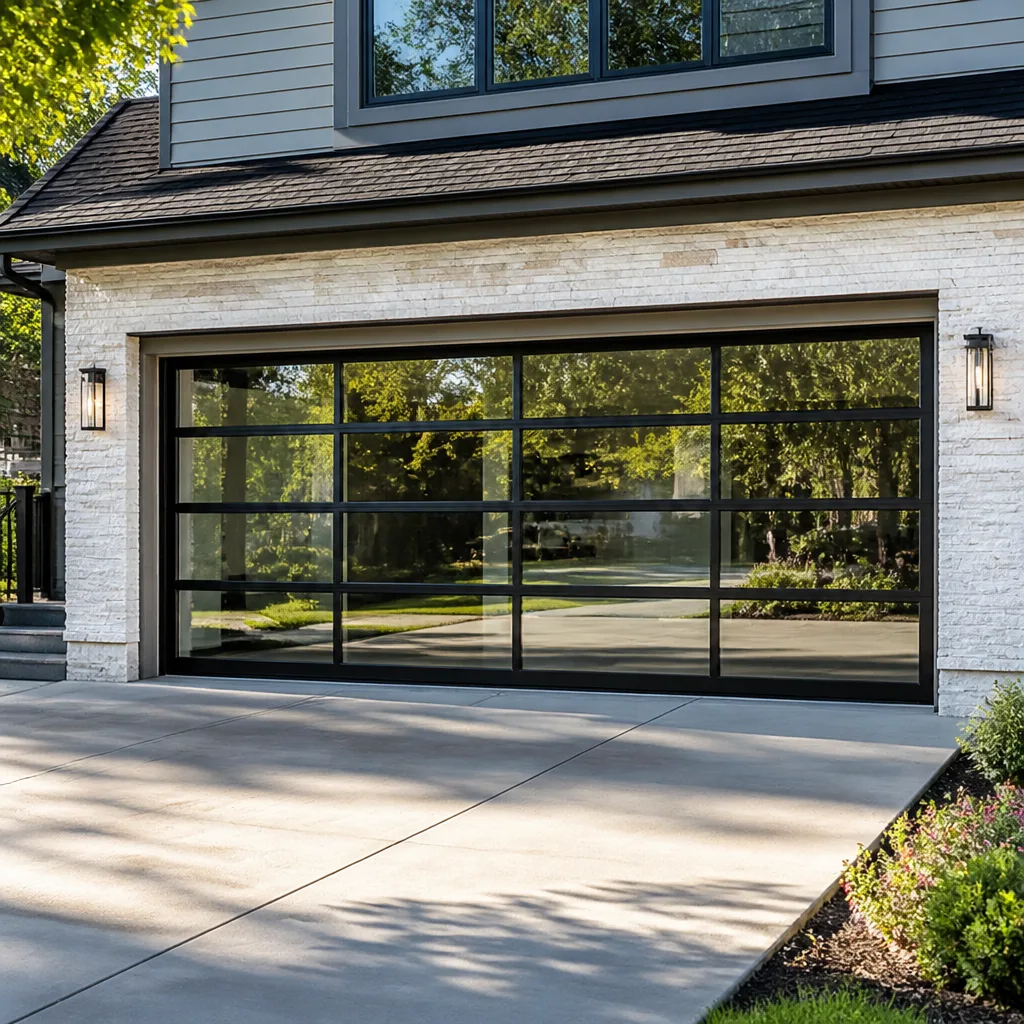 Full-view glass
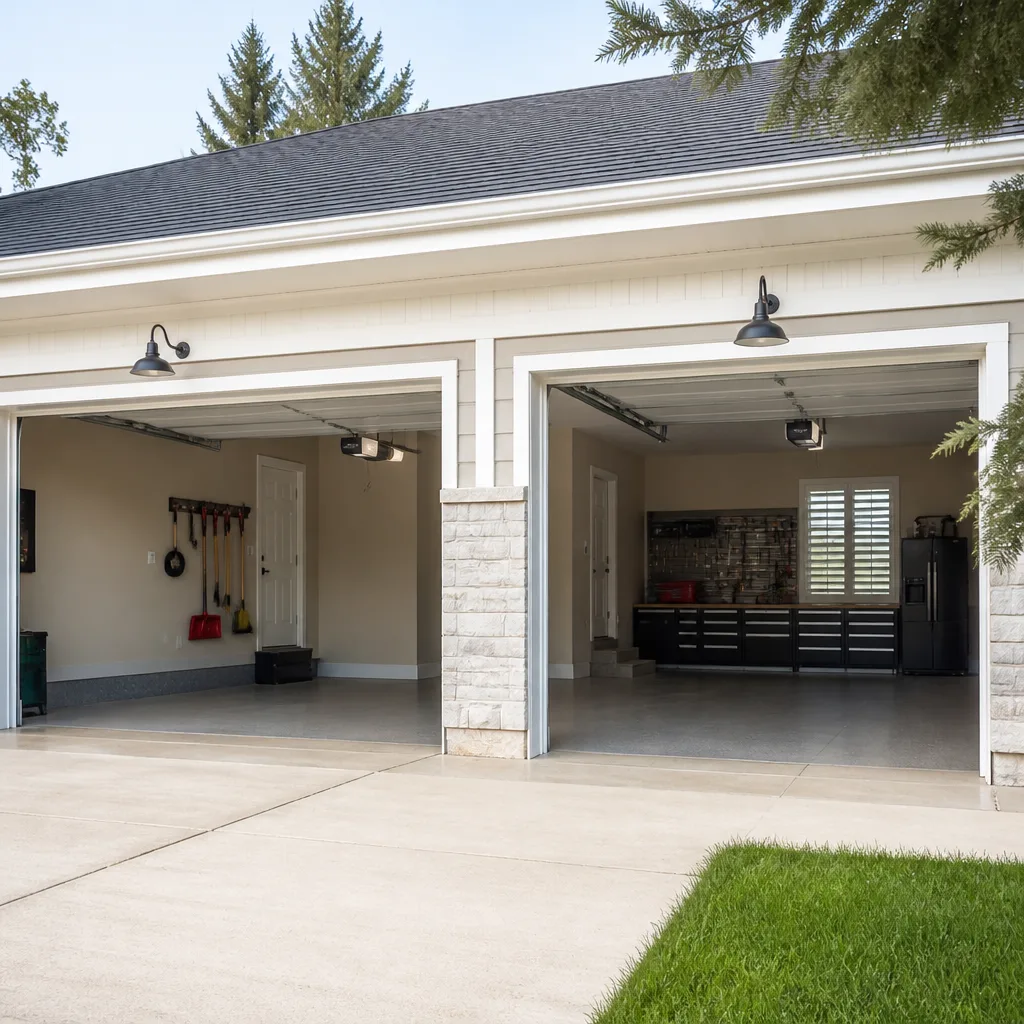 LiftMaster openers
 Chamberlain openers
Full 25-point door and opener safety check with every visit - springs, cables, rollers, tracks, and your LiftMaster or Chamberlain opener included
You get a price before we start. It does not change when the pro arrives.
Get your free estimateGarage Door Cost Breakdown: The Bevo Mill Homeowner’s Reference for 2026
The price on the door tag is the smallest part of the bill. That’s the first thing to understand about garage door costs, and it surprises almost every homeowner who starts shopping. A door advertised at one number often lands 40-60% higher by the time you add the spring system, installation hardware, an opener, and a keypad – and none of those show up in the ad. We work on garage doors across Bevo Mill, so we’ve watched this confusion play out on job after job. This guide builds the real number from the components up: what each part costs, what labor runs in the St. Louis market, where savings are legitimate, and where cutting corners costs you more within a few years. What follows is the reference we’d hand a neighbor.
Styles & brands we work with
- Raised-panel steel
- Carriage house
- Modern flush
- Full-view glass
- LiftMaster openers
- Chamberlain openers
Quick Answer
A full garage door replacement in Bevo Mill typically runs $1,600 to $5,000 all-in for a single-car door, and $2,400 to $7,500 for a double, depending on door material, opener tier, and hardware. Repairing a door usually costs far less – a spring replacement is typically $180 to $340 for one spring, and most common repairs land between $125 and $550. The written estimate you get after a measure is the number that matters; everything below is a planning range, not a quote.
Table of Contents
- What Are the Cost Components of a Garage Door?
- Line-Item Cost Breakdown for the St. Louis Market
- What Drives Price Between Steel, Wood Composite, and Carriage-Style Doors?
- Where Are the Legitimate Savings and Where Do Corners Bite?
- Repair or Replace? A Decision Framework by Door Age
- What Does a Typical Bevo Mill Garage Configuration Cost in 2026?
- How St. Louis Weather Shortens Component Life
- Common Mistakes to Avoid
- When to Call a Professional
- Frequently Asked Questions
- The Bottom Line
What Are the Cost Components of a Garage Door?
A garage door isn’t one product – it’s a system of five distinct parts, each priced and installed separately. When a quote looks low, it’s usually because one or more of these got left out or downgraded. Here’s what actually goes into the total:
- Door panels – the sectioned door itself. This is what gets advertised. A single-car steel door is the entry point; double doors and premium materials scale up fast.
- Spring system – torsion or extension springs that counterbalance the door’s weight. A matched pair is standard on most installations. These wear out before the door does.
- Tracks and hardware – vertical and horizontal track, rollers, hinges, brackets, and the lift cables. Hardware is cheap individually and adds up across a full door.
- Opener – a belt-drive, chain-drive, or screw-drive unit, plus a wall control and safety sensors. This is the single biggest optional variable.
- Installation labor – removal and disposal of the old door, assembly, spring tensioning, opener mounting, and adjustment. This is where local labor rates live.
In our experience, homeowners compare door prices and skip the other four lines entirely, then get blindsided when the real number comes in. The fix is to ask for an itemized written estimate before any work is scheduled. That way every line is visible and you can adjust the opener tier or the panel gauge to fit a budget instead of guessing.
Line-Item Cost Breakdown for the St. Louis Market
National averages hide what labor and parts actually cost around St. Louis, and that gap matters. Below are typical estimated ranges for the Bevo Mill market in 2026, broken out by component. These are planning numbers – the written estimate after a measure sets the final price. For a sense of what different repair jobs run, our garage door repair page covers the common failure points.
| Component | Typical Estimated Range (Single Door) |
|---|---|
| Steel door panels, standard gauge | $550 – $1,400 |
| Steel door panels, heavier gauge / insulated | $1,100 – $2,600 |
| Wood composite or carriage-style panels | $1,800 – $4,200 |
| Spring system (matched torsion pair) | $360 – $680 |
| Single spring replacement (repair) | $180 – $340 |
| Tracks and hardware set | $250 – $550 |
| Opener, standard chain-drive | $220 – $400 |
| Opener, belt-drive quiet tier | $350 – $600 |
| Opener, premium / smart tier | $450 – $850 |
| Keypad and extra remotes | $60 – $180 |
| Installation labor | $400 – $900 |
Stack those lines and you see why the advertised door price is misleading. A midrange steel door with a belt-drive opener, new matched springs, fresh hardware, and installation lands somewhere around $1,900 to $3,400 for a single door and roughly $2,800 to $5,200 for a double. Premium materials push both higher. If you’re pricing a new door, our garage door installation page walks through the measure-and-order process.
One hard rule on springs: a quote for one spring is not a quote for a pair. Most doors run a matched pair and they’re replaced together, so a pair costs about twice a single spring. If a quote lists one spring price but you need both, ask before work starts. A technician names the fix and the part before anything gets touched, and no work begins until you’ve agreed to the number.
What Drives Price Between Steel, Wood Composite, and Carriage-Style Doors?
The material difference is less about looks and more about weight, insulation, and how the door behaves over time. Weight drives the spring system, the spring system drives the opener load, and that chain runs through the whole quote. Here’s how the three main categories compare:
Steel
Steel is the most common residential door for good reason – it’s the lightest on the wallet and handles the seasons well. Standard-gauge steel is fine for a single door on a home without insulation demands. Heavier-gauge and insulated steel panels cost more upfront but resist denting, hold their shape, and put less strain on springs over the years. This is where a modest bump in gauge pays itself back.
Wood Composite
Wood composite gives you the warmth of wood without the rot and repainting a solid wood door demands in St. Louis humidity. It’s heavier than steel, which means a stronger spring system and often a beefier opener, so the spring and opener lines in your quote climb alongside the panels. If you love the look, budget for that cascade, not just the door face.
Carriage-Style
Carriage-style doors add decorative hardware, window inserts, and often heavier frame construction. The visual payoff is real, and so is the cost jump. These doors frequently push past the top of the midrange and into premium territory, with springs and openers to match. A carriage door on a standard light-duty opener is a mismatch that wears the opener out early, so pair it with the right opener tier from the start.
If you own a garage door opener repair situation and the door is getting replaced anyway, match the opener to the new door’s weight rather than reusing whatever was already there. That’s the single most common mismatch we see after a door upgrade.
Where Are the Legitimate Savings and Where Do Corners Bite?
You can absolutely spend less on a garage door without shortening its life – but only in specific places. Here’s the honest split between savings that hold up and corners that cost you later.
Where savings are real
- Opener tier. A standard chain-drive unit is perfectly reliable for a light steel single door. Moving to belt-drive buys you quiet, not durability. If the door is over a bedroom or living space, belt is worth the spend; if it’s a detached or side unit, chain is a legitimate saving.
- Panel gauge on a light-use door. A one-car door that opens twice a day doesn’t need the heaviest gauge. Standard gauge with a good spring system is a smart, durable choice.
- Hardware that’s still within spec. You don’t need premium rollers if the standard set is rated for your door’s weight. Skip the cosmetic upsell.
- Keeping the opener you already have. If it’s healthy and correctly sized for the new door, reusing it is one of the biggest savings available.
Where corners bite
- Cheap springs. Underrated springs are the #1 premature failure. They snap early, and spring failure is the dangerous kind – never something to skimp on. A matched pair of quality springs is the safest money in the whole quote.
- Wrong opener for a heavy door. A wood composite or carriage door on a light-duty opener wears the motor and the gears out fast.
- Reusing worn tracks and cables. Old hardware drags on a new door and causes the springs to work harder.
- Skipping the safety sensors. Non-negotiable. A door without working sensors is a hazard, full stop.
The pattern: save on comfort and cosmetics, never on the spring system or the match between door weight and opener. That’s the line where a cheap quote becomes an expensive callback.
Repair or Replace? A Decision Framework by Door Age
The decision rarely comes down to the door’s age alone – it comes down to what’s failing. A five-year-old door with a snapped spring is a repair. A twenty-year-old door with a sagging panel, worn tracks, and a tired opener is a different conversation. Here’s the framework we use when we look at a Bevo Mill door:
Step 1: Identify what’s actually failing
Is it the spring, the opener, the panels, the tracks, or several at once? One failure point is almost always a repair. Three or more failing together tips toward replacement.
Step 2: Compare repair cost to replacement cost
If a single repair runs more than about a third of what a new door would cost, weigh replacement seriously. A door on its second spring set and a failing opener is a candidate.
Step 3: Check the door’s structural condition
Dented, rusting, or sagging panels won’t be fixed by new springs. Once the door face is failing, repair money starts going into a door that’s nearing the end anyway.
Step 4: Weigh the opener’s age
An opener near the end of its service life paired with a worn door means you’re likely facing two replacements in the next couple of years. Consolidating into one project often costs less than two separate jobs.
Step 5: Decide with the numbers in front of you
A written estimate for both paths – repair fully vs. replace fully – makes the choice clear. We’re happy to lay both out so you compare real numbers, not pressure.
Repair is usually the right call on a younger door. Replacement wins when the door face and the opener are both aging and you’d be paying to nurse a system that’s near its end. Neither answer is a sales push – it’s just what the door is telling you.
What Does a Typical Bevo Mill Garage Configuration Cost in 2026?
Most Bevo Mill homes fall into four common garage configurations. Here’s what each typically runs all-in, estimated. Your actual number depends on the door, opener tier, and site conditions – the written estimate after a measure is what you agree to.
- Single-car, standard steel, chain-drive opener: roughly $1,600 – $2,600 all-in. The most common configuration and the most budget-friendly.
- Single-car, insulated steel, belt-drive opener: roughly $2,100 – $3,400 all-in. Quieter and better for a door under living space.
- Double-car, insulated steel, belt or premium opener: roughly $2,800 – $5,200 all-in. Two doors’ worth of springs and hardware drive the number up.
- Double-car, wood composite or carriage-style, premium opener: roughly $4,500 – $7,500 all-in. Premium materials, heavier springs, and a beefier opener all stack.
A few local conditions nudge these ranges. Older Bevo Mill garages sometimes have nonstandard openings, which can require a custom-fit door and add labor. Sloped or uneven floors show up too and call for a track and sealing adjustment – not a huge cost, but one worth knowing about before the measure. Age of home matters more than neighborhood specifics here; the same configuration can land anywhere in its range depending on how the existing structure measures out.
How St. Louis Weather Shortens Component Life
Garage doors around Bevo Mill face a specific set of conditions that wear components faster than a milder climate would. Understanding this helps you budget for repairs on a realistic timeline rather than being surprised.
The defining stress is the swing between humid summers and cold winters. That cycle works on springs and cables constantly – metal expands and contracts, and springs under constant tension feel every degree. Humidity pushes on wood composite and accelerates rust on bare steel hardware. Freeze-thaw cycles can shift the ground under a track and throw a door out of alignment. None of this destroys a door overnight, but it means springs around Bevo Mill tend to let go earlier than in a stable climate, and hardware needs attention more often.
Practical implications for your budget: expect spring replacement within the normal service life of the springs, not decades out. Keep the tracks clean and free of debris so freeze-thaw grit doesn’t grind the rollers. Watch for a door that starts running louder in winter – that’s often the first sign hardware is straining. And when a spring does fail, treat it as a same-day priority. Call us and we’ll get a technician out.
What we don’t want you to do is touch a torsion spring or its cables yourself. Those components store enormous energy, and a spring under tension can injure or worse if handled without the right tools and training. This is the one part of the system that genuinely requires a trained professional. Checking that the door is balanced, listening for grinding, and keeping debris out of the track are safe. Adjusting or replacing springs is not.
Common Mistakes to Avoid
- Comparing door prices instead of all-in prices. A cheap door quote often excludes springs, hardware, opener, or labor, and the final number lands 40-60% higher. Ask for an itemized written estimate covering every line.
- Assuming one spring price covers both. Most doors run a matched pair, so a pair costs about double a single spring. Confirm before any work starts whether the quote covers one or both.
- Reusing a tired opener on a heavier new door. A light-duty opener on a wood composite or carriage door wears out fast. Match the opener to the door’s weight, not to what’s already mounted.
- Skimping on the spring system to save money. Underrated springs fail early, and spring failure is the dangerous kind. Quality springs are the safest spend in the entire project.
- Ignoring local climate when budgeting. St. Louis humidity and freeze-thaw cycles wear hardware and springs faster than you might expect. Plan for repairs on a realistic timeline rather than assuming a door is maintenance-free for decades.
- Letting a small track misalignment ride. A door running slightly off pulls unevenly on the springs and opener, and the strain compounds. Fix the alignment early.
- Picking a carriage-style door without budgeting for its cascade. Heavier panels demand heavier springs and a stronger opener, so the cost climbs well past the door face alone. Budget the whole system, not just the visual.
When to Call a Professional
Some garage door issues are safe to look at and some aren’t. Call a professional when a spring snaps or a door won’t lift, when the opener runs but the door doesn’t move, when the door reverses on its own or the safety sensors fail, when tracks are bent or a panel has come free, or when you’re weighing repair against replacement and want real numbers. Springs and cables under tension are dangerous and belong in trained hands – we don’t recommend any homeowner adjust them. If a door fails on a Saturday, we’re closed that day, but call and we’ll book you for Sunday. Garage Door Repair Bevo Mill offers free estimates in Bevo Mill – call (844) 734-5652 and we’ll name the fix and the price before work starts.
Frequently Asked Questions
A full garage door replacement in Bevo Mill typically runs $1,600 to $5,000 all-in for a single door and $2,400 to $7,500 for a double, depending on material and opener tier. Those ranges include springs, hardware, opener, and installation – not just the door face. Call (844) 734-5652 for a free measure and an exact written estimate.
Because the advertised price is usually just the door panels. Springs, tracks, hardware, opener, and installation labor get added on top, and that routinely pushes the total 40-60% past the door price alone. An itemized written estimate before work starts prevents the surprise. Call (844) 734-5652 – estimates are free.
Single spring replacement in Bevo Mill typically costs $180 to $340. Since most doors use a matched pair replaced together, expect a pair job to run roughly twice that. Springs store dangerous energy, so this isn’t a job to attempt yourself. Call (844) 734-5652 for an exact quote.
No – the written estimate you agree to before work starts is the price. We quote after we’ve measured and named the fix, so the number reflects the real job. If we discover something during the work that genuinely changes the scope, we stop and talk to you before proceeding. Call (844) 734-5652 to schedule a free estimate.
We work on the brand you already have, covering Clopay, Amarr, Wayne Dalton, Craftsman, and four other major door and opener brands. That means we source parts for virtually any system rather than handing you off. Call (844) 734-5652 and tell us the problem; we’ll name the fix.
The local pros we connect you with are licensed and insured as their state requires, and they’re garage door specialists rather than general handymen. Our technicians have up to 14 years of experience on springs, openers, panels, and full door installations. Call (844) 734-5652 for a free estimate.
The Bottom Line
The advertised door price is the start of the conversation, not the end. Build your budget from components: panels, springs, tracks, hardware, opener, and installation. For Bevo Mill in 2026, a single-door replacement typically lands in the $1,600 to $5,000 range and a double in the $2,400 to $7,500 range, with spring and opener repairs far cheaper. Save where it’s real – opener tier, panel gauge, reusing a healthy opener – and never cut corners on springs or the door-to-opener match. Get an itemized written estimate, agree to the number before work starts, and let the door tell you whether it needs repair or replacement. We’re garage doors only, it’s all we do.
Have a number in mind and want it checked against a real estimate? Call Garage Door Repair Bevo Mill at (844) 734-5652 for a free estimate. Tell us the problem, the brand, and your door type, and we’ll name the fix and lay out the price before anything starts. Parts on hand, not on order, so common repairs move quickly.
Written by the team at Garage Door Repair Bevo Mill.
See the difference
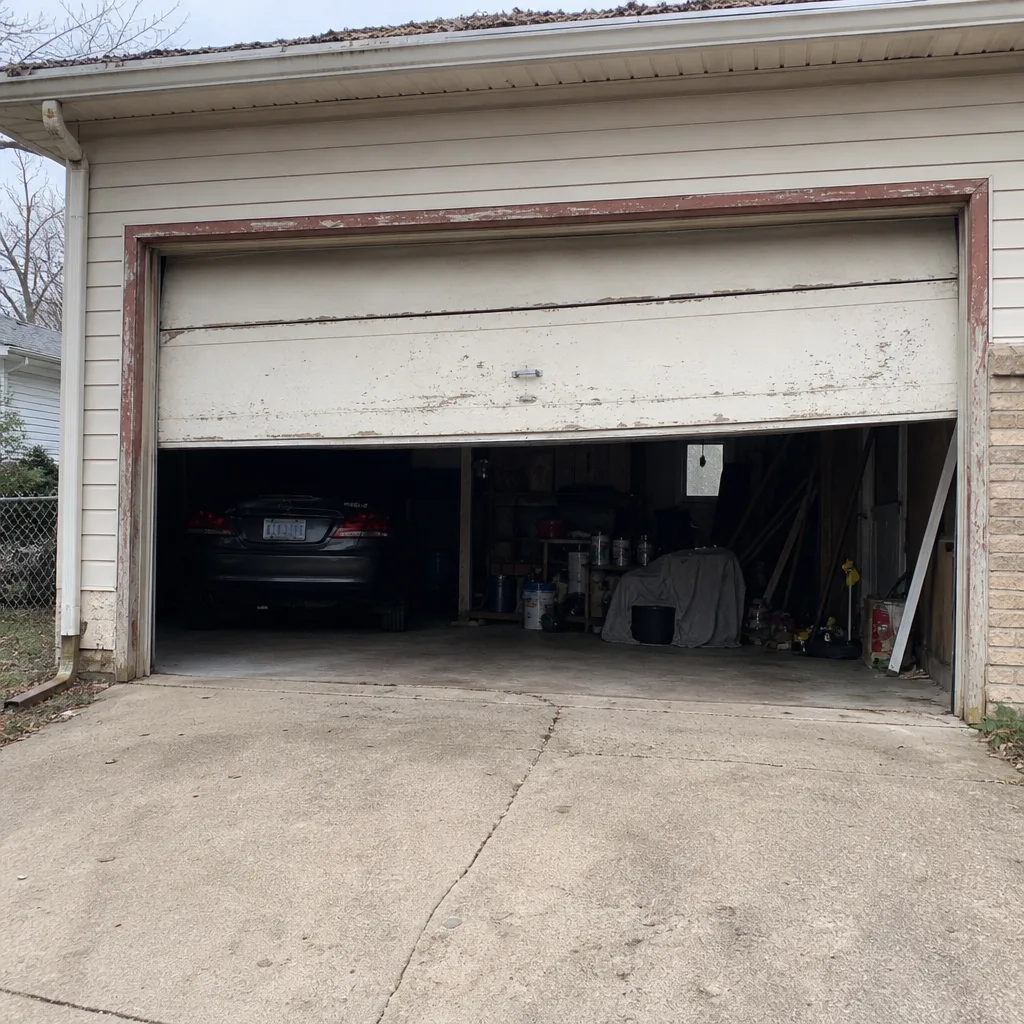 Before
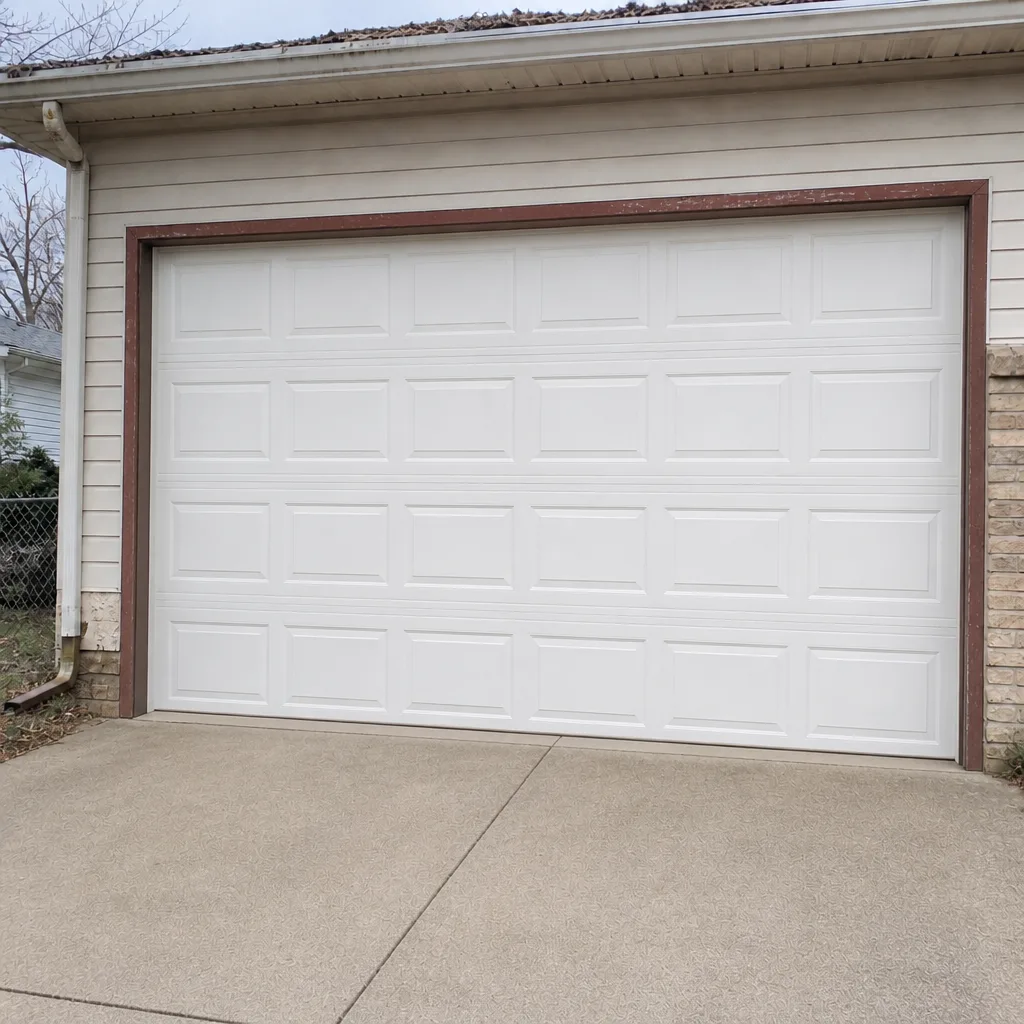 After
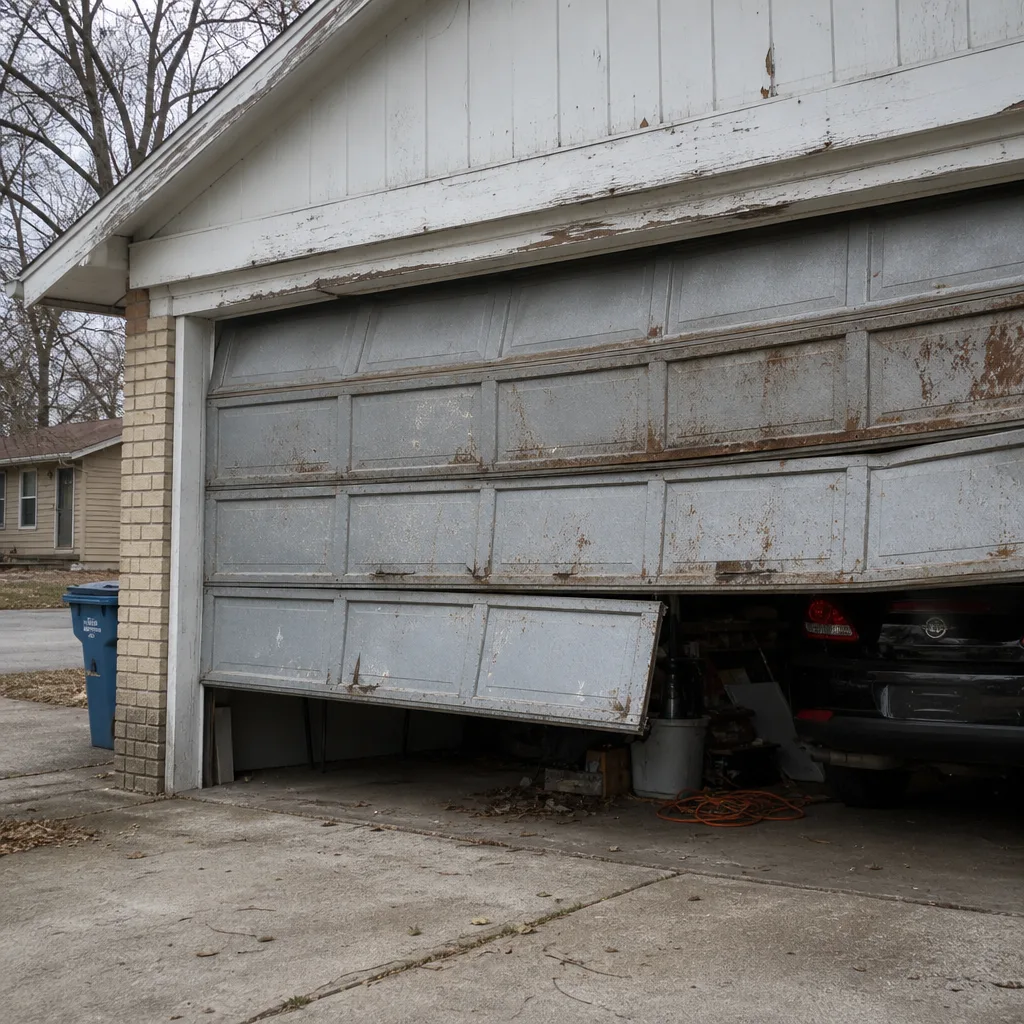 Before
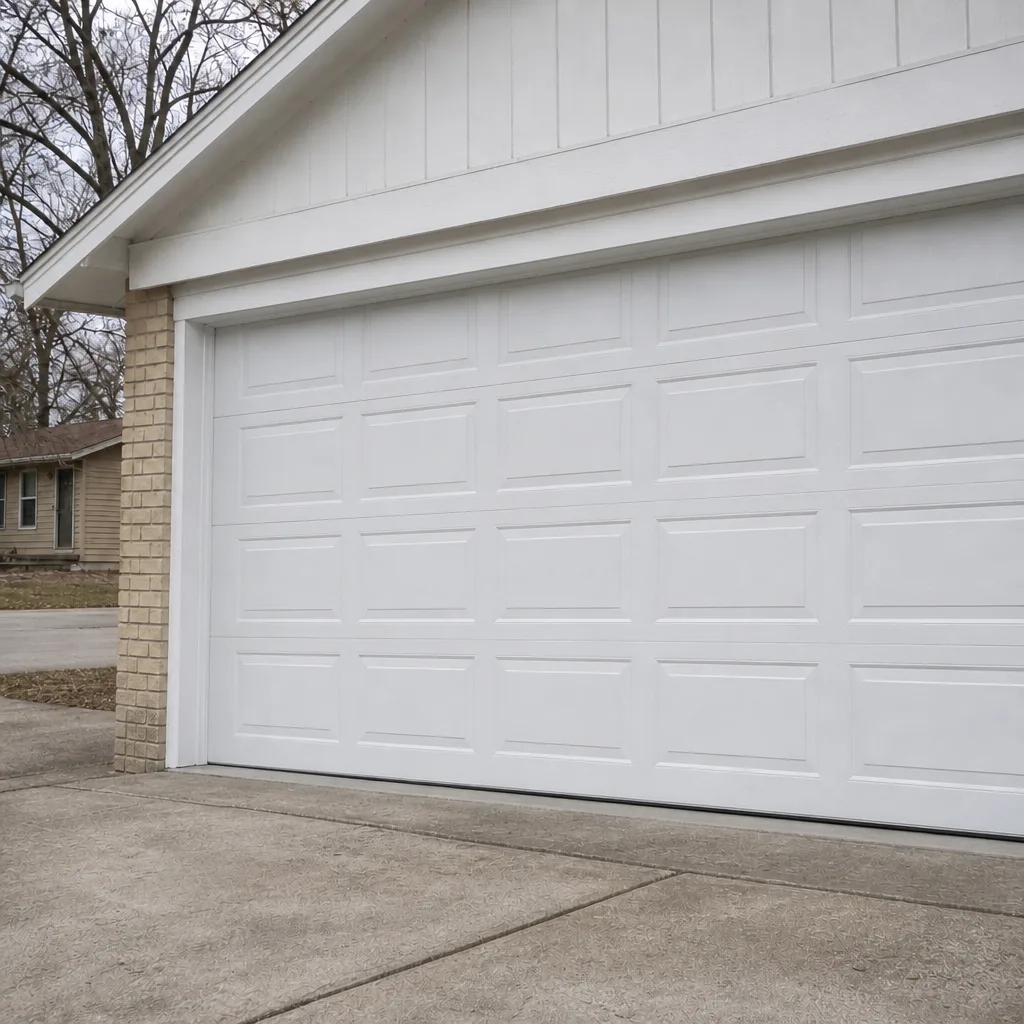 After
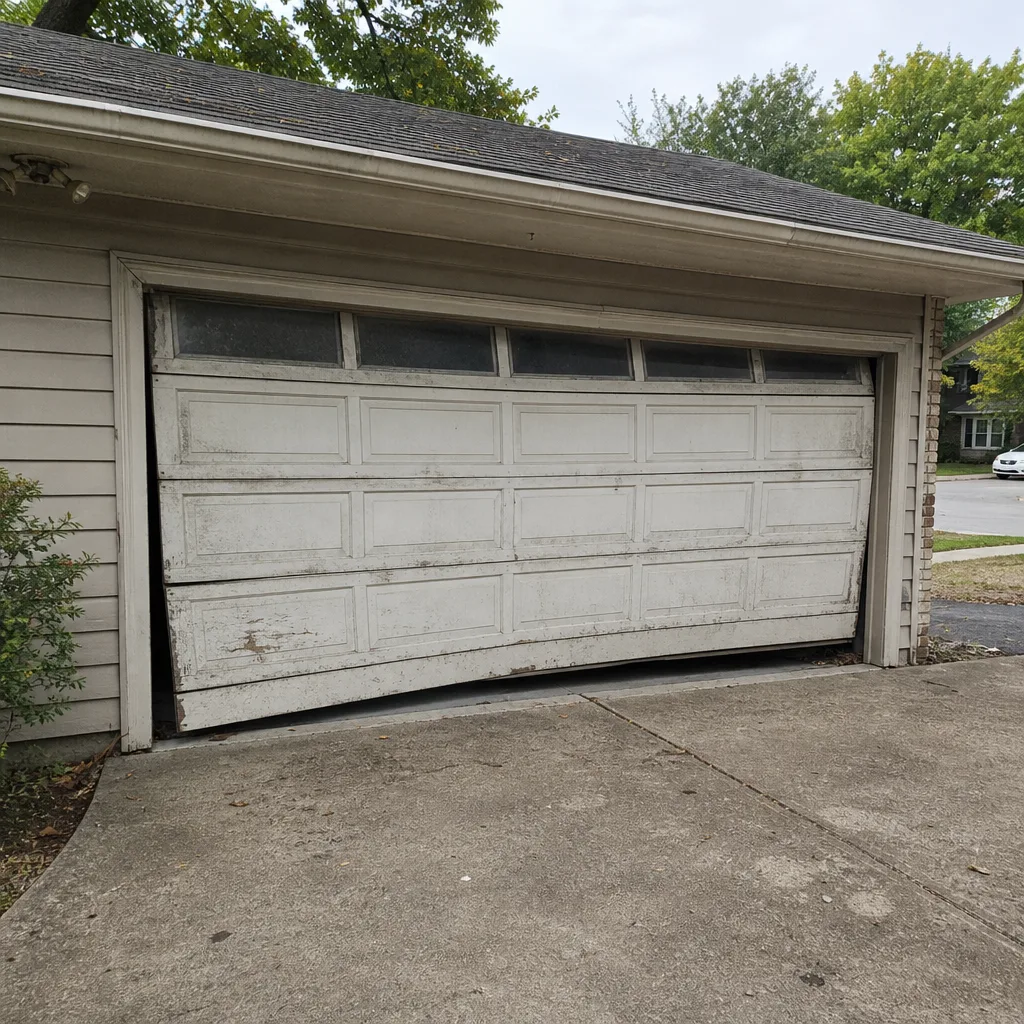 Before
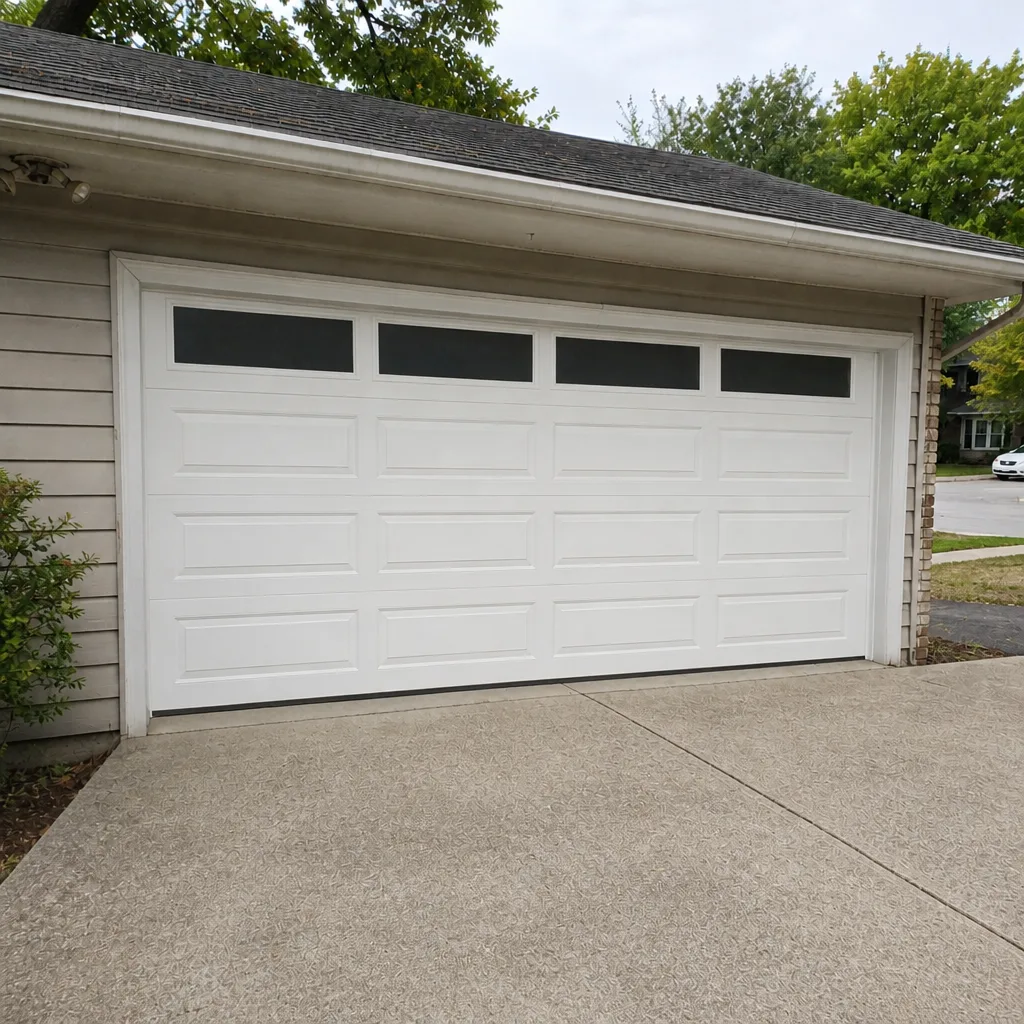 After